Why Massage Chairs Are a Growing Healthy Trend
-

- February 28th, 2026
- 1,319 views
A chair with massage has moved from specialty clinics into living rooms and offices as people look for ways to improve comfort and reduce daily stress. These devices combine ergonomic seating with roller, airbag, vibration, and heat systems to offer targeted stimulation to the back, neck, shoulders, and legs. Interest is growing in how regular, accessible massage-like stimulation fits into broader practices for workplace ergonomics and home wellness.
Massage chairs pair ergonomic support with mechanical massage features. Potential benefits include temporary relief of muscle tension, improved comfort during prolonged sitting, relaxation support, and options for customized programs. Considerations include set-up, intended use, medical conditions, ergonomics, and warranty or service coverage.
Benefits of a chair with massage
Many users report increased comfort and reduced perceived stiffness after short sessions in a massage-capable chair. Mechanical massage elements—rollers, shiatsu-style nodes, airbags, vibration, and heat—are designed to address common areas of tension such as the lumbar spine, upper trapezius, and gluteal muscles. For people who sit for long periods, a chair with massage can complement good ergonomic practice by encouraging brief, restorative breaks and offering posture support features such as adjustable lumbar cushions and tilt mechanisms.
Ergonomic support and posture
Massage chairs often include contoured seats, lumbar support, and adjustable recline angles. These features help maintain a more neutral spine position when used appropriately and in combination with proper workstation setup. Occupational health resources such as the National Institute for Occupational Safety and Health (NIOSH) provide guidance on ergonomics and prolonged sitting that can be used alongside any seating solution. NIOSH ergonomics guidance
Relaxation and short-term symptom relief
Massage programs can promote relaxation and reduce muscle tension perceived after repetitive tasks or extended sitting. Heat settings and steady kneading or rolling may increase localized skin temperature and comfort. These are reported effects rather than medical treatments and should not be considered substitutes for clinical care when needed.
How massage chair technology works
Rollers, airbags, and vibration
Rollers move along tracks to mimic hand techniques like kneading and rolling. Airbags provide compression around shoulders, arms, hips, or calves to simulate squeezing motions. Vibration units deliver high-frequency stimulation for broader surface areas. Many systems combine multiple modalities to create preset programs.
Control systems and customization
Controls range from basic timers to smartphone apps with program libraries and intensity adjustment. Look for chairs with adjustable program duration, intensity, and target zones so sessions can be tailored to comfort levels and daily needs.
Choosing and using a massage chair safely
Check product specifications and warranty
Compare weight limits, dimensions, power requirements, and the length of warranty and service coverage. Verify availability of replacement parts and authorized service centers for longer-term maintenance.
When to consult a professional
Consult a licensed healthcare provider (for example, a physician, physical therapist, or occupational health specialist) about using a massage chair when there are known medical conditions such as recent surgery, osteoporosis, severe circulatory disorders, blood clotting issues, fracture history, pregnancy, or implanted devices. This article does not provide medical advice.
Practical tips for integrating a massage chair into daily life
Start with short sessions
Begin with brief sessions (5–15 minutes) to assess comfort and tolerance. Increase or vary use based on how the body responds and personal schedule. Use massage sessions as part of a broader routine that includes physical activity, regular breaks from prolonged sitting, and ergonomic adjustments.
Maintain good seated ergonomics
Combine a massage chair with desk and workspace adjustments: monitor height that keeps the neck neutral, keyboard placement to avoid shoulder elevation, and periodic standing or walking breaks. OSHA and occupational health organizations emphasize a holistic approach to workplace comfort and injury prevention.
Cost, accessibility, and alternatives
Price and return on use
Massage chairs range from compact, affordable units to large, feature-rich recliners. Consider frequency of use, expected lifespan, and whether the chair offers replaceable components or local service when evaluating cost. Rental or trial programs from retailers can provide short-term evaluation options.
Alternatives to consider
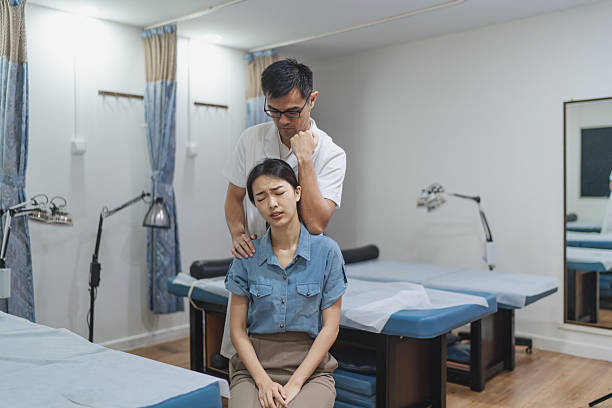
Alternatives include handheld massagers, foam rollers, professional manual therapy from licensed practitioners, and workplace programs that emphasize movement and ergonomic adjustments. Each option has different costs, portability, and intended uses.
Regulatory and quality considerations
Safety standards and labeling
Products sold for home use are subject to electrical safety and consumer product labeling regulations in many jurisdictions. Look for clearly stated safety instructions, age and weight recommendations, and recognized electrical safety marks where applicable.
Frequently asked questions
Is a chair with massage safe for daily use?
Many people use massage chairs daily without issues by keeping sessions moderate and following manufacturer instructions. Those with specific health concerns should consult a licensed healthcare provider before making regular use part of a routine.
Can a massage chair replace professional therapy?
A massage chair can complement professional care but is not a substitute for individualized assessment, diagnosis, or treatment provided by licensed clinicians when medical conditions are present.
How long should a massage session last?
Short sessions of 5–20 minutes are common starting points. Adjust duration based on comfort, the chair's recommendations, and professional guidance if applicable.