Why the Best Tile Brands in India Are Flying Off Shelves — How to Choose the Right One
-

- March 04th, 2026
- 262 views

FREE SEO Topical Map Generator: Find Your Next Content Ideas
The best tile brands in India are flying off the shelves because homeowners and builders are prioritizing quality, durability, and design in equal measure. Rising awareness about technical specs (PEI rating, water absorption, glaze type), wider availability of porcelain and vitrified formats, and clearer standards from manufacturers are driving faster purchases.
- Primary drivers: durability, lower maintenance, better finishes, and certified quality.
- Use the TILE-FIT Checklist to compare options quickly.
- Practical tips: match tile type to room use, check PEI and water-absorption values, and order 7–10% extra for cuts/waste.
- One authoritative reference: Indian standards from the Bureau of Indian Standards support product claims (BIS).
Best tile brands in India: why they're selling out
Several measurable trends explain why customers choose the best tile brands in India faster now than before: larger-format porcelain and rectified tiles reduce grout lines, advanced digital printing produces realistic textures (wood, stone, concrete), and many manufacturers publish technical data that helps compare products objectively. For buyers, that transparency reduces perceived risk and speeds decision-making.
How tile types compare: porcelain, ceramic, vitrified and more
Understanding material differences turns indecision into clear trade-offs. The following overview covers terms seen on labels and spec sheets.
Porcelain
Dense, low water-absorption (<0.5%) and strong—good for high-traffic living areas and outdoors (with frost-resistant grades). Often available in large, rectified formats for seamless installation.
Ceramic
Less dense than porcelain, typically used for wall tiles and low-traffic floors. Easier to cut and cheaper, but requires attention to glaze quality for durability.
Vitrified
A type of porcelain/ceramic that undergoes vitrification to reduce porosity—popular in India for polished-look floors. Available as glazed or full-body options.
Related technical terms
PEI rating (abrasion resistance), water-absorption percentage, rectified edges, full-body vs glazed, and slip-resistance (R or COF ratings). These terms appear on datasheets and should inform choices.
TILE-FIT Checklist (named framework for quick comparison)
Use this simple framework when shortlisting products from the best tile brands in India. Score each tile 1–5 across the six checks to compare objectively.
- Type & Technical specs — water absorption, PEI, slip rating.
- Intended use & Installation — indoor/outdoor, floor/wall, rectified edges for minimal grout lines.
- Look & Finish — matte vs polished, digital print authenticity, color consistency.
- Ease of maintenance — stain resistance, grout compatibility.
- Financial fit — cost per sq. ft., expected lifespan, lifecycle cost vs initial price.
- Inspection & warranty — manufacturer warranty, brand reputation, certification (BIS/ISO).
Practical buying tips for homeowners and renovators
- Match tile type to the room: porcelain or vitrified for living room and kitchen; ceramic or textured porcelain for bathrooms where slip-resistance is crucial.
- Check datasheets: insist on PEI, water absorption, and slip rating. For technical claims check manufacturer documentation or standards from BIS (BIS).
- Order a physical sample and install it on-site to inspect color and finish under real lighting before final purchase.
- Buy 7–10% extra to cover cuts, breakage and future repairs; large-format tiles need a few extra pieces due to matching patterns.
Trade-offs and common mistakes when choosing popular tile brands
Picking a top-selling brand doesn’t eliminate trade-offs. Awareness avoids costly mistakes.
Trade-offs to evaluate
- Cost vs lifespan: Premium porcelain raises initial cost but lowers maintenance and replacement expenses.
- Large format vs installation complexity: Bigger tiles look seamless but may require a flatter subfloor and more skilled installation.
- High gloss vs slip risk: Polished surfaces show water spots and can be slippery—choose anti-slip finishes for wet zones.
Common mistakes
- Choosing solely on look without checking technical ratings (PEI, water absorption).
- Under-ordering—insufficient spare tiles make repairs impossible when batches are discontinued.
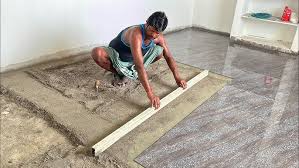
- Ignoring subfloor preparation—many failures labeled as tile defects are actually due to poor substrate work.
Real-world example: Choosing tiles for a 3BHK apartment in Mumbai
Scenario: 3BHK, 1,000 sq. ft. living area, two bathrooms, balcony. Using the TILE-FIT Checklist:
- Living room/family area: choose rectified porcelain 600x600 mm, PEI 4–5, low water absorption. Order 1,100 sq. ft. (10% buffer).
- Bathrooms: textured porcelain or ceramic wall tiles with high slip resistance for floors; glazed ceramic for walls to reduce cost.
- Balcony: outdoor-rated porcelain with frost resistance and higher COF.
Result: Slightly higher upfront spend for porcelain, but lower maintenance and a unified look with fewer grout lines—a common reason the best tile brands in India become preferred choices.
Selection checklist before payment
- Obtain a technical datasheet and verify PEI, water absorption, and slip rating.
- Request a proforma invoice that includes batch/lot numbers and delivery lead time.
- Confirm warranty, return policy, and after-sales support for replacements.
Closing note
Best tile brands in India are popular because they combine technically verifiable performance with design flexibility and wider availability. Applying the TILE-FIT Checklist, comparing datasheets, and planning installation needs will turn interest into a confident, lasting purchase.
FAQ: Are the best tile brands in India worth the premium?
Yes—when premium means better technical specifications (lower water absorption, higher PEI, reliable slip ratings) and consistent batch quality. Those factors reduce lifecycle costs and repair risk, which often offsets the initial price difference.
FAQ: How are porcelain vs ceramic tiles India buyers should know?
Porcelain is denser and less porous than standard ceramic, making it better for heavy foot traffic and areas exposed to moisture. Ceramic is suitable for walls and low-traffic floors. Check water-absorption and PEI values for a direct comparison.
FAQ: What should be included in tile technical datasheets?
Datasheets should list size and tolerances, PEI rating, water absorption percentage, slip-resistance rating (COF or R value), rectification, and recommended uses (interior/exterior). Manufacturer certification or BIS marking is a strong trust signal.
FAQ: How much extra tile should be ordered for a renovation?
Order 7–10% extra for straight layouts; 10–15% for diagonal patterns or large-format tiles. Keep spare tiles from the same batch for future repairs.
FAQ: Can cheaper brands match the performance of the best tile brands in India?
Some budget brands meet minimum standards, but the best-performing tiles often come from manufacturers with stricter quality control and published specs. Compare datasheets rather than price alone, and consider long-term maintenance costs.