Signs of Water Damage on a Wooden Deck
-
- Published Updated
- 1,661 views
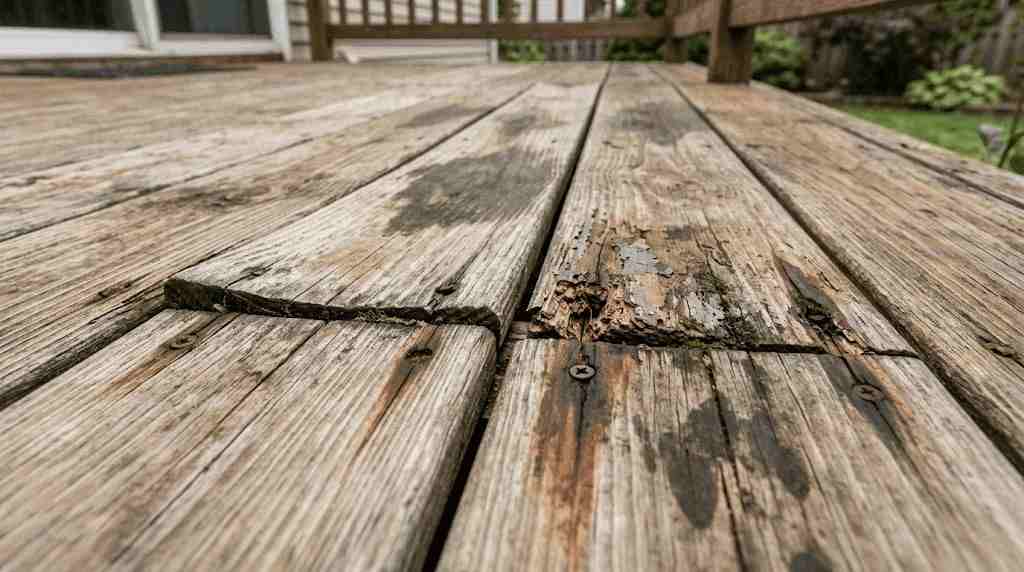
A wooden deck can add warmth, character, and valuable outdoor living space to your home. But because it spends so much time exposed to rain, humidity, snow, and changing temperatures, moisture can gradually take a toll. Water damage often begins quietly, and by the time you notice a serious problem, the wood may already be weakened beneath the surface.
Why Water Damage Is a Serious Problem for Wooden Decks
Wood naturally absorbs and releases moisture. This process is normal, but repeated exposure to water can cause the wood to swell, shrink, crack, and eventually deteriorate. Poor drainage, damaged finishes, clogged gutters, standing water, and inadequate ventilation can make the situation worse.
Water damage is not only a cosmetic concern. When moisture remains trapped in or around wooden components, it can create favorable conditions for rot and fungal growth. Over time, structural parts such as joists, beams, posts, and ledger boards may also become compromised.
The earlier you identify moisture-related damage, the easier it generally is to address.
1. Soft or Spongy Wood
One of the clearest signs of water damage is wood that feels unusually soft when you press on it.
Healthy decking should feel firm underfoot. If a particular board feels spongy, gives noticeably when stepped on, or seems weaker than surrounding boards, moisture may have penetrated the wood and started breaking down its fibers.
You can carefully test questionable areas with a screwdriver or similar tool. If the tip easily sinks into the wood, especially in areas that look discolored or cracked, the board may have significant deterioration.
Do not rely solely on visual inspection. Some wood can look relatively normal while being severely weakened internally.
2. Dark Spots and Discoloration
Dark patches, blackened areas, or unusual brown stains can indicate prolonged moisture exposure.
Water itself can cause discoloration, but dark areas may also be associated with fungal activity or developing rot. Pay particular attention to places where water tends to collect, such as:
- Around stairs and railings
- Near the house
- Under outdoor furniture
- Around fasteners
- Near planters
- Along poorly drained areas
- Between boards where debris accumulates
Not every dark spot means the wood is rotten. Dirt, mildew, and aging finishes can also change the appearance of a deck. However, persistent discoloration combined with softness, cracking, or a musty smell deserves closer inspection.
3. Cracking, Splitting, and Splintering
Small surface cracks can occur naturally as wood ages, particularly as it expands and contracts with changing weather. However, widespread or deep cracking may indicate that moisture has repeatedly affected the boards.
Look for cracks that:
- Run deeply into the board
- Continue growing over time
- Appear around screws or nails
- Split boards along their length
- Are accompanied by soft or discolored wood
Splintering can also become a safety concern. A damaged deck surface is more likely to cause cuts or injuries, particularly when people walk barefoot.
4. Warped or Cupped Deck Boards
Have you noticed boards that no longer sit flat? Warping is another common indication that moisture has affected the wood.
When one side of a board absorbs or loses moisture at a different rate than the other, the board can bend, cup, twist, or crown. Mild movement may be expected as wood responds to weather, but severe warping can create uneven walking surfaces and increase stress on fasteners.
Warped boards can also allow water to collect in places where it should normally drain away, potentially accelerating further deterioration.
5. Loose Nails, Screws, or Fasteners
Moisture-related movement can cause fasteners to loosen over time. If screws are backing out, nails are popping up, or connections no longer feel secure, do not simply push them back into place without investigating the cause.
Repeated expansion and contraction can weaken the surrounding wood, making it difficult for fasteners to hold properly.
Loose fasteners may be a relatively simple maintenance issue, but they can also be a symptom of deteriorating wood. If the material around the fastener is soft or crumbling, replacing the screw alone will not solve the underlying problem.
6. Rot Around Posts, Joists, and the Ledger
Surface boards are not the only parts of a deck vulnerable to water. Some of the most important areas to inspect are structural components.
Check the bottoms of support posts, the ends of joists, beams, and especially the ledger board where the deck connects to the house. These areas can remain damp for extended periods and may be difficult to inspect without getting underneath the deck.
Rot in structural wood deserves immediate attention because these components carry the weight of the deck. If you find significant deterioration, avoid assuming that replacing one visible board will solve the problem.
7. Mold, Mildew, or a Musty Smell
A persistent musty odor around your deck can indicate excess moisture. Green, black, gray, or white growth may also appear on damp wood.
Mold and mildew do not automatically mean that the deck has structural rot, but they are signs that moisture is not being managed effectively.
Look beyond the visible growth. Check whether gutters are directing water toward the deck, whether the ground underneath stays wet, and whether leaves or debris are trapping moisture between boards.
Improving drainage and airflow can help prevent the same problem from returning.
8. Peeling or Failing Stain and Paint
A failing protective coating can be another warning sign.
If stain or paint is bubbling, peeling, blistering, or separating from the wood, moisture may be getting underneath the coating. In some cases, the finish has simply reached the end of its useful life. In others, water has become trapped beneath the surface.
Before applying a new coating, determine why the existing finish failed. Painting or staining over damp or deteriorated wood can trap moisture and potentially make the problem worse.
Where to Look for Hidden Water Damage
A thorough inspection should cover more than the top surface of your deck. Check areas where moisture tends to remain hidden.
Under the Deck
Look underneath for wet soil, poor drainage, darkened joists, standing water, or vegetation growing too close to the structure. Leaves and organic debris can also hold moisture against the wood.
Around the House
Pay close attention to the deck-to-house connection. Gutters, downspouts, flashing, and exterior drainage can all influence how much water reaches the deck.
Around Fasteners
Rusty or loose fasteners may indicate prolonged exposure to moisture. Examine the surrounding wood for cracking, discoloration, or softness.
Near Stairs
Stairs experience frequent foot traffic and can be particularly vulnerable to water accumulation. Inspect both the visible boards and supporting components.
What Causes Water Damage on a Wooden Deck?
Understanding the cause is just as important as identifying the damage. Common causes include:
- Heavy or frequent rainfall
- Poor drainage
- Clogged gutters and downspouts
- Standing water
- Damaged or missing flashing
- Inadequate deck ventilation
- Leaves and debris collecting on the surface
- Worn-out stain or sealant
- Improper installation
- Soil or landscaping that remains excessively wet
In many cases, water damage develops because moisture has been allowed to remain against the wood for too long.
When Should You Call a Professional?
Minor surface discoloration or a small amount of mildew may be manageable with routine cleaning and maintenance. However, professional help is a better choice when you notice widespread softness, significant rot, structural movement, damaged support posts, deteriorated joists, or an unstable railing.
A qualified Deck repair service in Valhalla can assess the extent of the deterioration and help determine whether individual boards need replacement or whether deeper structural repairs are required.
It is especially important to address structural concerns promptly. A deck can appear attractive from above while hidden components underneath are becoming dangerously weak.
How to Prevent Future Water Damage
Regular maintenance can significantly reduce moisture-related problems.
Keep the Deck Clean
Remove leaves, dirt, pine needles, and other debris regularly. These materials can trap moisture against the wood.
Improve Water Drainage
Make sure gutters and downspouts direct water away from the deck. Fix areas where water repeatedly pools after rainfall.
Inspect the Finish
Depending on the type of wood and finish, periodic staining or sealing can provide additional protection. Always follow the product manufacturer's preparation and application instructions.
Check the Structure Regularly
Inspect your deck at least once or twice a year, paying particular attention to structural connections and areas that remain damp.
Trim Nearby Vegetation
Plants growing directly against the deck can restrict airflow and keep surfaces wet. Keeping nearby vegetation trimmed can improve ventilation.
Don't Ignore Early Warning Signs
Water damage rarely becomes a major problem overnight. In many cases, there are early clues: a soft board, a dark patch, a loose screw, a musty smell, or a section that stays wet long after rainfall.
Taking these signs seriously can help prevent a relatively manageable repair from becoming a much larger project. Regular inspections also give you an opportunity to identify drainage problems and maintenance issues before they contribute to serious deterioration.
Conclusion
A wooden deck needs more than occasional cleaning to remain safe and attractive. Paying attention to soft wood, discoloration, cracks, warping, loose fasteners, mold, and signs of rot can help you identify water damage before it spreads. When problems go beyond basic maintenance, getting an experienced professional to inspect the deck can provide a clearer picture of what needs to be repaired or replaced. For homeowners looking for reliable guidance and quality workmanship, JLL Painting can be a helpful resource for maintaining and improving exterior wood surfaces. Most importantly, do not ignore small warning signs early attention can protect your deck, improve safety, and potentially save you from more expensive repairs later.