Could a WordPress Bidding Plugin Help You Build a Better Online Store?
-

- Published Updated
- 93 views
Selling products online is no longer just about displaying items and waiting for customers to make a purchase. Buyers want interesting shopping experiences, more choices, and sometimes the chance to compete for something special. This is one reason online auctions can be an attractive option for businesses that want to try a different selling method.
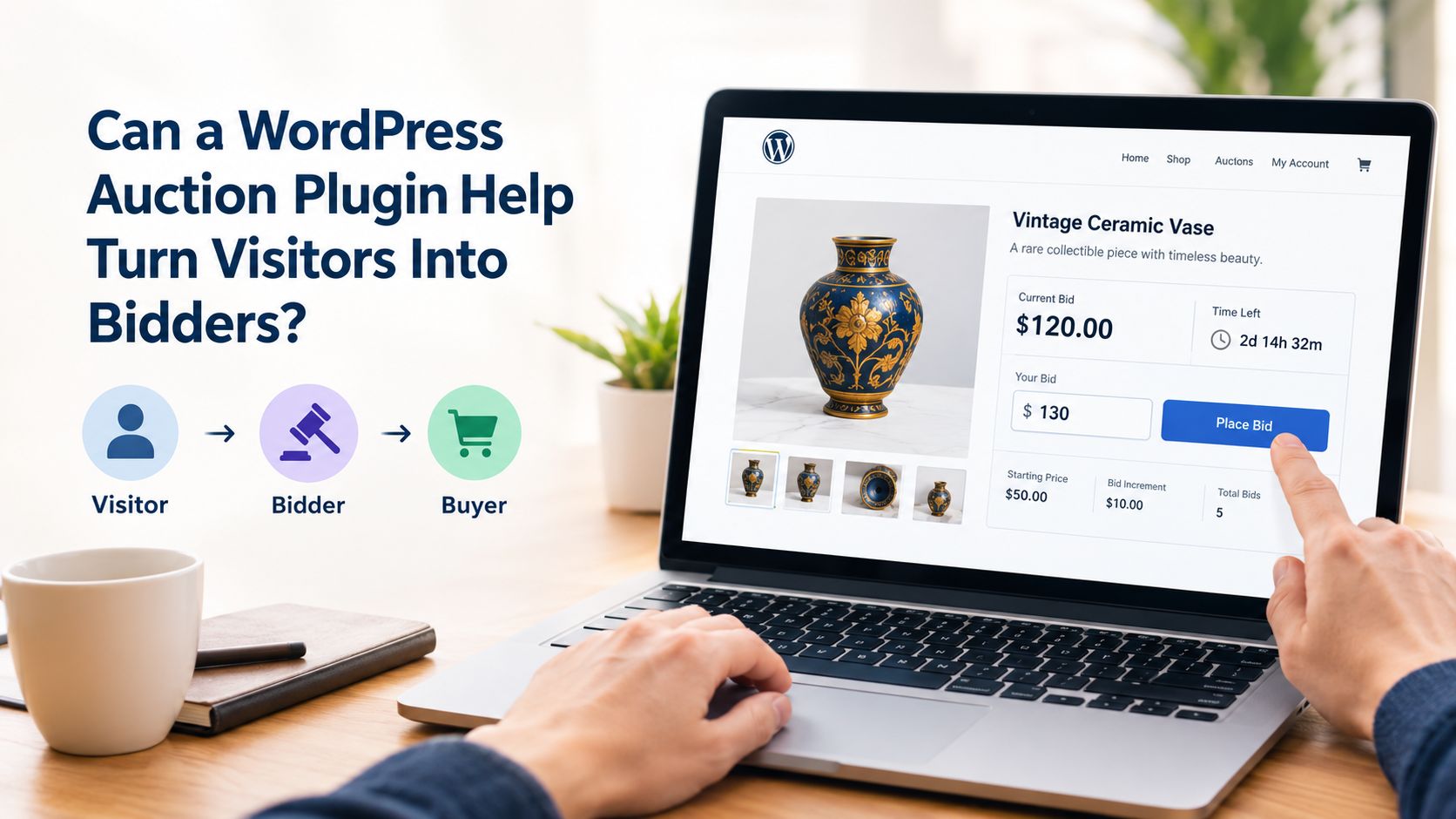
Whether you sell collectibles, second-hand products, handmade goods, or limited-edition items, bidding can give customers another reason to interact with your website. Instead of accepting a fixed price, buyers can compete by placing offers within a set time.
However, a successful auction website needs more than attractive products. It requires an organized bidding process, clear rules, and tools that make managing auctions easier. Auction Plugin helps WordPress website owners explore auction-based selling and consider how it could fit into their business plans.
Why Is Bidding an Interesting Option for Online Sellers?
Fixed-price shopping is convenient, but it does not suit every product or selling situation. Some items have a value that depends heavily on demand, rarity, or buyer interest.
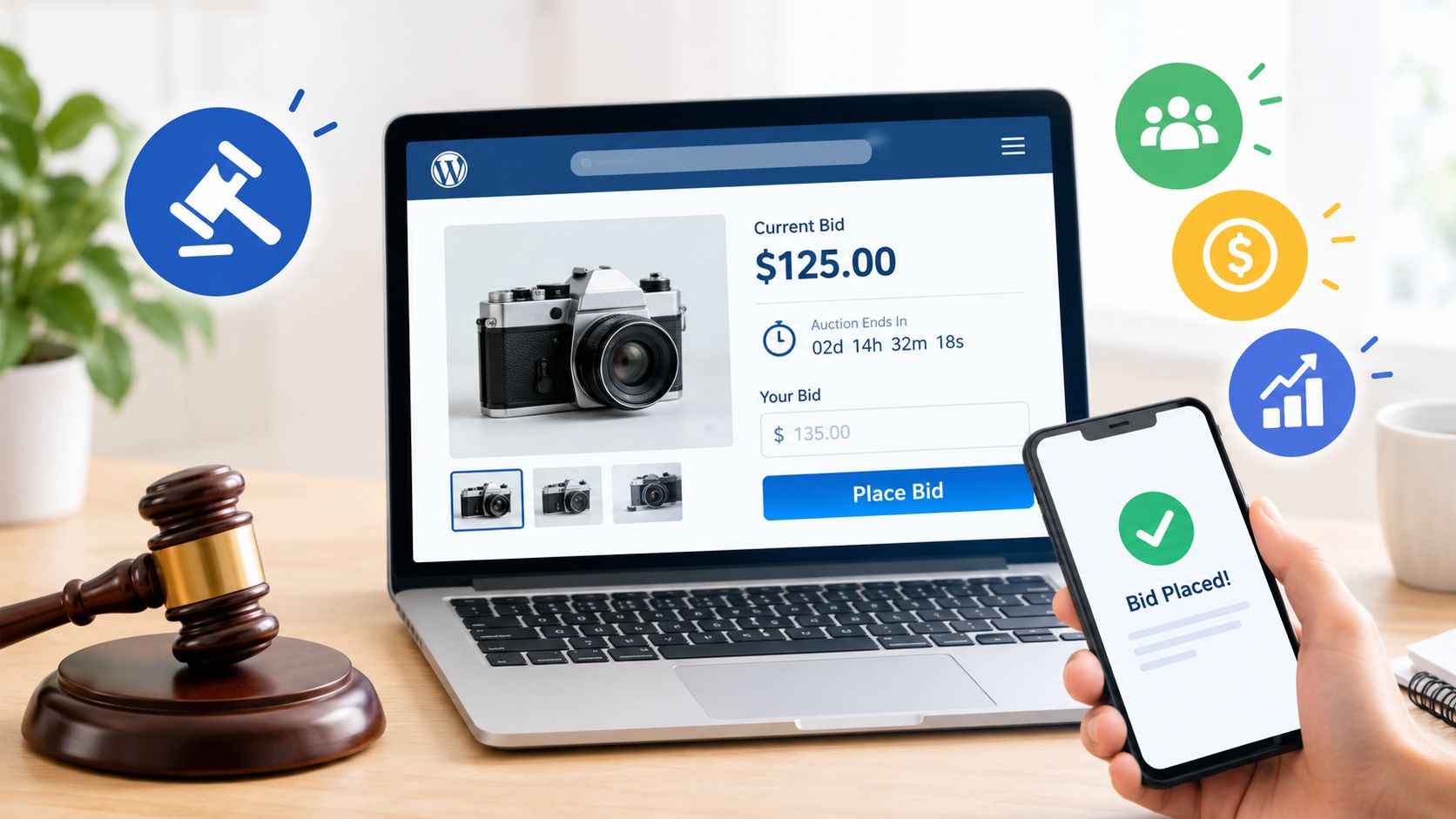
For example, a collector selling a vintage camera may attract several people who want the same item. An auction gives these interested buyers an opportunity to compete rather than requiring the seller to choose a single fixed price.
Bidding can also make product listings more interactive. Customers may return to see the latest offer, check the remaining time, or decide whether to increase their bids.
This does not mean every auction will attract multiple buyers. The product, audience, pricing, and promotion all affect participation. Still, auctions provide another way to present products and encourage customers to take an active role in shopping.
What Makes a Good Auction Website?
A useful auction website should be easy to understand from the moment a visitor opens a listing. Customers should not have to search through several pages to discover how the bidding process works.
Easy-to-Understand Product Listings
Each listing should provide the information buyers need to make a decision. Product descriptions, photographs, condition details, starting prices, and auction deadlines should be easy to find.
For used goods and collectibles, honest descriptions are especially important. Buyers should know about any visible damage, missing accessories, or other limitations before placing a bid.
A Clear Bidding Process
Customers should understand how to submit a bid and what happens when an auction closes. Displaying the current price, bidding requirements, and closing time can reduce confusion.
A straightforward process is particularly important when attracting first-time bidders who may not have experience with online auctions.
Convenient Website Navigation
Visitors should be able to browse listings and find relevant products without unnecessary effort. A mobile-friendly design also helps customers participate using their phones.
When the website is easy to navigate, buyers can spend more time exploring products instead of trying to understand the interface.
How Can Auction Plugin Help WordPress Store Owners?
WordPress provides a flexible foundation for online businesses, and auction functionality can expand the ways products are sold.
Auction Plugin gives website owners a starting point for exploring bidding features and building an auction-focused shopping experience. Depending on the selected solution and configuration, sellers can organize auction listings and establish the conditions under which customers participate.
If you want to understand this approach in more detail, explore the WordPress bidding Plugin resource to learn more about bidding functionality for WordPress websites.
Before launching, consider the size of your business and the type of products you plan to sell. A small shop selling occasional collectibles may need a simple auction setup. A larger marketplace may require additional controls for managing multiple listings and customer activity.
Choosing features based on actual business needs can help keep your website manageable as it grows.
Which Products Are Suitable for Online Auctions?
Not every product needs to be sold through bidding. The best candidates are often items for which buyer interest, scarcity, or individual value plays an important role.
Vintage products, rare books, collectibles, antiques, pre-owned electronics, and limited-edition merchandise may be worth testing through auctions. Businesses can also consider special product bundles or selected clearance items when the format suits their goals.
Before listing a product, research similar items and consider its condition, demand, and minimum acceptable selling price. A reasonable starting price can encourage participation without ignoring the seller's financial requirements.
It is also important to consider shipping costs, packaging, and payment processing expenses. A high final bid does not automatically mean a high profit.
How Can You Attract More Bidders?
A well-built auction website still needs visitors who are interested in its products. Without suitable traffic, even appealing listings may receive little attention.
Promote Auctions Before They Begin
Give potential buyers a reason to discover upcoming listings. You can share auction announcements through your email newsletter, social media accounts, and relevant marketing campaigns.
Provide accurate details about the products and explain when bidding opens and closes.
Write Helpful Product Descriptions
Avoid descriptions that simply repeat a product name. Explain what makes the item useful, unusual, or worth considering.
For example, a listing for a vintage camera could describe its condition, included accessories, known limitations, and relevant features. Helpful details allow buyers to make informed decisions.
Keep Customers Informed
Where suitable notification features are available, use them to communicate important auction updates. Customers should receive clear information about relevant deadlines and the next steps after an auction ends.
Do not overwhelm visitors with unnecessary messages. Useful communication is more valuable than sending frequent promotional reminders.
Mistakes That Can Make Online Auctions Less Successful
One mistake is launching too many auctions before understanding customer demand. Starting with a small selection of products makes it easier to test the process and identify what attracts interest.
Another mistake is setting unclear rules. Explain whether bids can be withdrawn, what happens when the auction ends, and how the winning bidder must complete the purchase. Your policies should be consistent with applicable laws and the platform's capabilities.
Poor product information can also discourage buyers. Missing photographs, unclear descriptions, and unexpected delivery costs may reduce confidence.
Finally, do not assume that installing a plugin will automatically increase sales. An auction system provides functionality, but businesses still need suitable products, effective promotion, reliable customer service, and a trustworthy shopping experience.
Frequently Asked Questions
1. What does a WordPress bidding plugin do?
It adds bidding or auction functionality to a WordPress website. Depending on its features, it can help sellers create auction listings, receive bids, and manage auction activity.
2. Can I start an auction website without advanced coding skills?
Yes. WordPress and a suitable plugin can simplify the process. However, you may still need to configure settings, review compatibility, and test the website before accepting real bids.
3. Are online auctions useful for small businesses?
They can be useful for small businesses selling collectibles, rare products, used goods, or other items that may attract competitive interest. Results depend on demand and the quality of the auction experience.
4. Should every product in my store have a bidding option?
No. Some products are better suited to fixed prices. Consider using auctions for selected items and retaining regular product listings for customers who prefer immediate purchases.
5. How can I build trust with bidders?
Provide accurate descriptions, publish clear auction policies, protect customer information, and explain payment and delivery arrangements. Make customer support easy to reach.
6. What should I test before an auction goes live?
Check the bidding process, auction deadlines, displayed prices, notifications, payment arrangements, mobile usability, and relevant website security settings. Confirm that the system behaves as expected before inviting customers.
7. Can auctions guarantee better profits?
No. Auctions can attract competitive offers, but the final price depends on demand, participation, product value, and costs. Testing different products and reviewing results can help you make better decisions.
Final Thoughts
Online bidding gives businesses another way to present products and connect with interested customers. It can be particularly useful when selling rare, collectible, or limited-availability items that benefit from competitive interest.
With Auction Plugin, WordPress store owners can explore how auction functionality fits into their selling strategy. The key is to start with suitable products, establish clear rules, and make every step easy for buyers to understand.
Focus on building trust, promoting relevant listings, and learning from customer behavior. A thoughtful approach can help you create a more engaging online store without making the buying process unnecessarily complicated.