Xanthelasma Treatment in Riyadh: Safe Removal Methods, Costs, and Recovery
-

- February 23rd, 2026
- 1,526 views
Xanthelasma removal Riyadh is a common cosmetic and medical concern for people who notice yellowish plaques around the eyelids. This guide explains typical causes, diagnostic steps, available removal techniques, expected recovery, cost considerations in Riyadh and how to choose a qualified clinic while referencing guidance from established eye and health organizations.
Xanthelasma are cholesterol-rich deposits that appear near the eyelids. Removal options in Riyadh include surgical excision, laser ablation, chemical cauterization, and radiofrequency or cryotherapy. Choosing a licensed oculoplastic surgeon or dermatologist and getting a lipid profile are recommended. Recovery times and costs vary by method; recurrence is possible.
Overview: What are xanthelasma?
Xanthelasma are soft, yellowish plaques formed by lipid-laden macrophages in the skin, most often on the upper or lower eyelids near the inner corner. They are usually benign but can be cosmetically bothersome. In some people, xanthelasma are associated with dyslipidemia, metabolic conditions, or other systemic factors; clinicians commonly recommend a lipid profile to screen for high cholesterol or related conditions.
xanthelasma removal Riyadh: Treatment options
Several removal methods are used in Riyadh clinics. Choice of technique depends on lesion size, location, skin type, patient preference and clinician expertise. Common options include:
Surgical excision
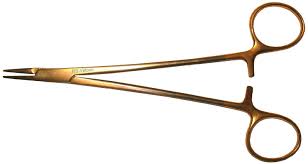
Excision under local anesthesia removes the lesion entirely and provides tissue for histological examination. It can be precise but may require careful closure to minimize scarring and preserve eyelid function.
Laser ablation
Laser methods (e.g., CO2 or erbium) vaporize the lesion and can offer good cosmetic results with controlled tissue removal. Multiple sessions may be needed for larger or deeper deposits.
Chemical cauterization and trichloroacetic acid (TCA)
Chemical peel agents can be applied in clinic to remove superficial lesions. This non-surgical approach may be an option for small xanthelasma but requires careful application due to the thin eyelid skin.
Radiofrequency and cryotherapy
Radiofrequency ablation and cryotherapy are additional minimally invasive options used to destroy the deposit while attempting to spare surrounding tissue. Treatment selection should balance efficacy, risk of hypopigmentation or scarring, and eyelid function.
Diagnosis and evaluation
Diagnosis is usually clinical based on appearance. A clinician may perform a dermoscopic exam and, when indicated, a biopsy to confirm the diagnosis. Because xanthelasma can reflect systemic lipid abnormalities, guidelines from professional organizations recommend basic metabolic and lipid testing; local clinicians in Riyadh typically coordinate blood tests and referrals as needed. For general eye health recommendations, see the American Academy of Ophthalmology: https://www.aao.org.
Choosing a clinic or specialist in Riyadh
When selecting care, consider providers experienced in periocular procedures—oculoplastic surgeons, dermatologists with eyelid expertise or plastic surgeons. Verify licensing and facility accreditation, ask about complication rates, review before-and-after photos, and confirm that preoperative assessment includes lipid testing and discussion of recurrence risk. The Saudi Ministry of Health and local regulatory bodies publish lists of licensed practitioners and facilities for reference.
Procedure, recovery and follow-up
What to expect during the procedure
Most xanthelasma removals are performed under local anesthesia in outpatient settings. Procedure duration varies by method, typically 20–60 minutes. For excision, sutures may be placed and removed within a week.
Recovery and side effects
Mild swelling, bruising and temporary redness are common. Pain is generally minimal and managed with over-the-counter analgesics unless contraindicated. Risks include scarring, eyelid distortion, pigmentation changes and recurrence. Follow-up visits are important to monitor healing and address complications promptly.
Costs and insurance considerations in Riyadh
Costs vary according to the chosen technique, clinic level, and provider experience. Cosmetic-only procedures are often paid out-of-pocket, while removal performed for medical reasons may be partially covered by insurance if tied to diagnostic concerns or functional impairment. Patients should obtain a detailed cost estimate and confirm coverage with insurers before proceeding.
Prevention and long-term considerations
Because xanthelasma can be associated with systemic lipid disorders, managing underlying risk factors—such as high cholesterol, diabetes and tobacco use—may reduce additional deposits. Lifestyle modification and medical lipid management, coordinated with primary care or endocrinology, are standard preventive strategies. Regular skin and eye exams help detect recurrence early.
Choosing between cosmetic and medical priorities
For many people, the primary goal is cosmetic improvement; for others, xanthelasma prompts medical evaluation for lipid disorders. A shared decision-making approach with a qualified specialist helps align treatment choice with patient goals, medical history and risk tolerance.
Local regulations and safety
Clinics in Riyadh operate under Saudi health regulatory oversight; patients are encouraged to confirm facility licensing, infection-control practices and staff credentials. Seek providers who offer informed consent, explain alternatives and provide written postoperative instructions.
References and further reading
Information in this article synthesizes clinical practice patterns and guidance from eye and dermatology professional bodies. For patient-facing resources and clinical practice guidelines, consult recognized organizations and peer-reviewed literature. Local health authorities such as the Saudi Ministry of Health provide guidance on licensed facilities and practitioner credentials.
FAQs
How common is xanthelasma removal Riyadh and who performs it?
Removal is commonly performed in Riyadh by oculoplastic surgeons, dermatologists and plastic surgeons with eyelid experience. Frequency depends on patient demand and referral patterns; many clinics report regular evaluations for this condition.
Will xanthelasma come back after removal?
Recurrence can occur. Rates vary by treatment type and whether underlying lipid disorders are managed. Discuss recurrence risk and follow-up plans with the treating clinician.
Is xanthelasma dangerous?
Xanthelasma itself is usually benign. However, it can be a visible marker for underlying lipid or metabolic disorders. Clinicians commonly recommend a lipid profile and appropriate medical follow-up when indicated.
How long does recovery take?
Recovery ranges from a few days for minimally invasive treatments to one to two weeks for surgical excision, with full cosmetic improvement evolving over several weeks. Follow provider instructions for wound care and activity restrictions.
For personalized recommendations, consult a licensed clinician who can evaluate eyelid anatomy, medical history and preferred outcomes. This article provides general information and is not a substitute for professional medical advice.