Yoga for Mankind: How Yoga Transforms Body, Mind, and Community Well-Being
-

- Published Updated
- 1,524 views
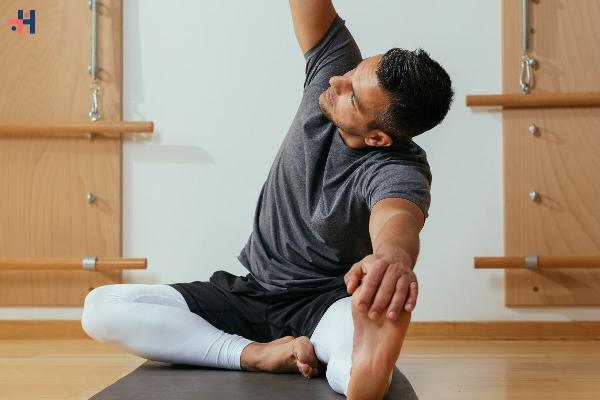
Yoga for Mankind describes the ways yoga practices can support physical fitness, mental balance, and social cohesion across diverse populations. This term emphasizes accessibility, community benefit, and the broad applications of asana (posture), pranayama (breathwork), and meditation beyond individual exercise.
- Yoga combines movement, breath control, and attention to cultivate strength, flexibility, and stress-management skills.
- Evidence suggests benefits for mobility, balance, anxiety reduction, and quality of life; research is ongoing.
- Programs that adapt practices for age, ability, and cultural context help spread benefits across communities.
Yoga for Mankind: A global perspective
Yoga originated from ancient South Asian traditions and evolved into a range of approaches practiced worldwide. Modern adaptations prioritize safe, inclusive instruction and often draw on contemporary exercise science, psychology, and public health principles. International bodies and researchers study yoga as a complementary approach to physical activity and mental health promotion, while professional organizations publish guidance on training standards and scope of practice.
Origins and modern adaptations
Classical texts describe ethical frameworks, physical disciplines, and meditative practices. Over time, distinct lineages and studio-based styles emerged alongside secular programs designed for rehabilitation, workplace wellness, schools, and community centers. Successful public programs commonly adapt pace, language, and posture selection for participants' needs.
Core elements: asana, pranayama, and mindfulness
Asana refers to physical postures that build strength and flexibility. Pranayama covers structured breathing practices that can influence autonomic regulation. Mindfulness and focused-attention meditation often accompany movement and breathwork to improve concentration and emotional awareness. Combining these elements helps address multiple aspects of well-being.
Physical benefits and mechanisms
Regular yoga practice may support joint mobility, muscular endurance, balance, and functional fitness. Studies reviewed by health research bodies indicate improvements in balance for older adults, flexibility, and certain measures of strength when yoga is practiced consistently. Mechanisms include increased muscular engagement, improved postural awareness, and enhanced neuromuscular coordination.
Cardiometabolic and musculoskeletal considerations
Some yoga styles include sustained moderate-intensity movement that contributes to overall physical activity levels. For musculoskeletal conditions, therapeutic yoga programs often focus on mobility, stabilization, and graded progression of effort. Professional practice standards and exercise guidelines from organizations such as the American College of Sports Medicine provide context for integrating yoga into broader physical activity plans.
Mental health, stress regulation, and social impact
Yoga practices that combine breath regulation and focused attention are associated in research with reductions in perceived stress and improvements in mood. Mechanisms proposed in the literature include modulation of stress-response systems, improved sleep, and enhanced coping skills. Group classes and community-based programs contribute social support and a sense of belonging, which are factors linked to mental well-being.
Community and population-level applications
Community-based initiatives that adapt practices for cultural and accessibility needs can reach diverse participants, including older adults, adolescents, and people with chronic conditions. Program evaluation and outcome measurement help organizations refine offerings and ensure safe delivery.
Evidence, safety, and official guidance
Research on yoga ranges from randomized controlled trials to observational studies and systematic reviews. Findings vary by population, intervention type, and outcome measures. Summaries from government and academic sources recommend considering yoga as a complementary approach to physical activity and stress management while noting that quality and quantity of evidence differ across conditions. More comprehensive guidance and summaries about yoga research and safety considerations are available through the National Center for Complementary and Integrative Health: National Center for Complementary and Integrative Health.
Adapting practice for safety
Safe programming emphasizes gradual progression, teacher training, and attention to individual limitations. Modifications (props, supported postures, shorter holds) reduce injury risk and improve accessibility. Clear instructor communication about contraindications for specific postures can help participants make informed choices.
Starting and sustaining a practice
Begin with short, consistent sessions focused on foundational poses and breath awareness. Variety in practice—gentle movement, balance work, breathing exercises, and short meditations—supports physical and mental benefits. Community classes, online resources, and instructional programs tailored to age or ability provide pathways for continued engagement.
Measuring progress and setting realistic goals
Use functional markers such as improved sleep, reduced muscle stiffness, easier balance transitions, or enhanced stress coping as indicators of progress. Small, achievable goals and gradual increases in duration or complexity maintain motivation and lower injury risk.
Conclusion
Yoga for Mankind highlights the potential for yoga practices to contribute to individual and community well-being through coordinated physical, respiratory, and attentional training. When programs are evidence-informed, adapted for diverse needs, and delivered with qualified instruction, yoga can be a sustainable component of a holistic approach to health and social connection.
What does "Yoga for Mankind" mean and how is it practiced?
"Yoga for Mankind" refers to inclusive approaches that make yoga accessible across ages, abilities, and cultures. Practice commonly includes postures, breathwork, and mindfulness adapted to participant needs, often delivered in community settings or through structured programs.
Is yoga effective for reducing stress and anxiety?
Research indicates that certain yoga programs can reduce perceived stress and improve mood for some people. Effects vary by program type, duration, and participant characteristics, and ongoing studies continue to clarify specific benefits.
Can yoga replace other forms of exercise?
Yoga can contribute substantially to flexibility, balance, and muscular endurance and may supplement aerobic exercise. For comprehensive cardiovascular fitness, combining yoga with other forms of aerobic and resistance activity aligns with public health fitness recommendations.
How should beginners choose a yoga class?
Select classes labeled beginner or gentle, check instructor credentials, and choose programs that offer modifications. Classes that emphasize alignment, breath, and gradual progression are suitable starting points.