Chandrashila Trek Retreats: Yoga and Meditation in the Himalaya
-
- Published Updated
- 1,564 views
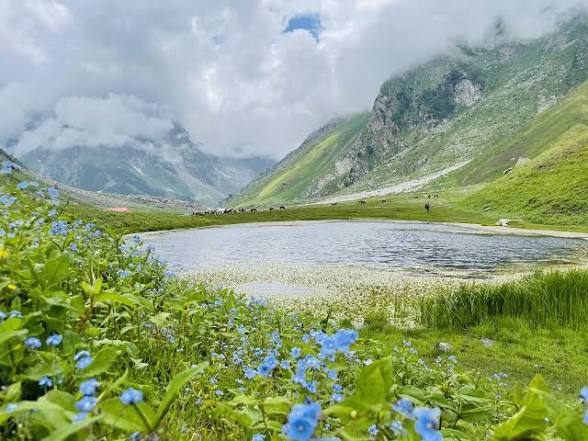
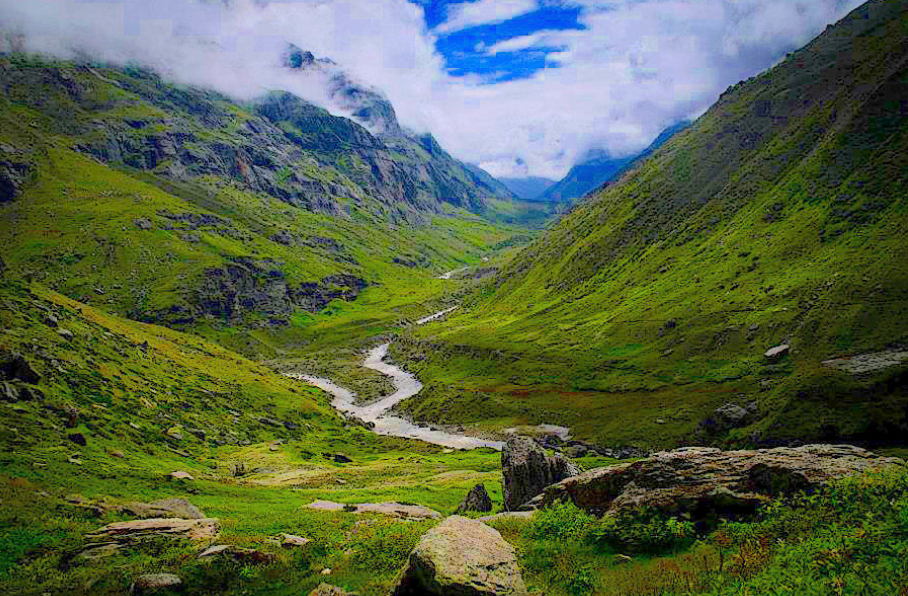
The Chandrashila region attracts seekers and trekkers alike, and Yoga and Meditation Retreats in the Chandrashila Trek offer a chance to combine daily practice with high-altitude scenery, alpine meadows, and panoramic Himalayan sunrise views. Located in the Garhwal Himalaya near Chopta and Tungnath, this area supports short residential programs and self-guided spiritual sadhana against a backdrop of deodar and rhododendron forests.
- Location: Chandrashila summit near Chopta and Tungnath, Uttarakhand, India.
- Retreat types: guided residential, day programs, self-guided sadhana, small group workshops.
- Best season: late spring to early autumn (May–November) for weather and access.
- Altitude & safety: acclimatization and weather planning are essential; typical start altitude ~2,800–3,700 m.
- Permits & regulations: check local authorities and Uttarakhand tourism guidance for current access rules.
Yoga and Meditation Retreats in the Chandrashila Trek: why this location
Chandrashila’s combination of easy-to-moderate trekking, panoramic Himalayan vistas, quiet natural settings, and proximity to historic temples makes it suitable for short-term yoga and meditation retreats. The summit above Tungnath offers sunrise views of Nanda Devi, Trishul, Chaukhamba and other peaks, creating a setting commonly sought for contemplative practice and breathwork (pranayama).
Types of retreats and typical formats
Guided residential retreats
Short residential programs usually last from 3 to 7 days. They typically include daily yoga sessions (asanas), guided meditation, breathwork, group satsang or dhyana, simple vegetarian meals, and short local hikes for acclimatization. Programs may use community halls, guesthouses, or camp setups near Chopta or at base locations below Tungnath.
Day workshops and weekend programs
Weekend formats are common for visitors coming from nearby towns such as Rishikesh or Dehradun. These combine guided practice, nature walks, and a sunrise ascent to Chandrashila or Tungnath for contemplative sessions at dawn.
Self-guided practice and small groups
Independent practitioners may use trekking lodges as a base for their own sadhana, bringing personal practice plans and lightweight props. Small groups can hire local guides for safety and route knowledge, especially when conducting early morning or late evening sessions in remote areas.
Planning and logistics
Access and itinerary basics
The common approach begins at Chopta, with a trek to Tungnath (the world’s highest Shiva temple) followed by the short ascent to Chandrashila summit. Typical itineraries allow time for acclimatization: arrive in Chopta, practice and rest, ascend to Tungnath, and reach Chandrashila for sunrise practice. Trek segments are usually moderate in difficulty but can be steep in places.
Best season and weather considerations
Most retreats operate from late spring through autumn (May–November) when trails are clear and weather is more stable. Winter months bring heavy snow, potential route closures, and limited services. Weather in the Himalaya can change rapidly; contingency days and flexible schedules reduce risk.
Safety, altitude, and environmental considerations
Altitude and health precautions
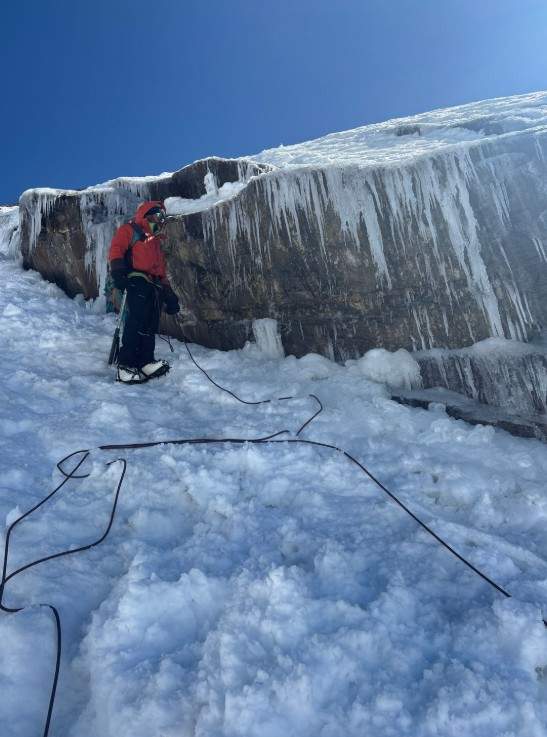
Chandrashila and Tungnath sit at elevations where mild altitude effects are possible. Participants should plan for gradual ascents, monitor symptoms of acute mountain sickness (AMS), and include rest days. Training runs, hydration, and acclimatization are practical steps. For up-to-date guidance on mountain safety, consult resources from national mountaineering authorities and local health advisories.
Environmental stewardship
Retreat organizers and practitioners should follow Leave No Trace principles in fragile alpine ecosystems. Waste management, respectful use of local water sources, and minimizing camp fire impacts help preserve biodiversity in the Garhwal Himalaya.
Choosing a retreat and what to bring
Criteria for selecting a program
Consider instructor qualifications (yoga lineage or meditative training), group size, daily schedule, accommodation type, food arrangements, emergency plans, and local guide support. Confirm cancellation policies and insurance coverage for trekking activities.
Packing essentials
Bring layered clothing for variable temperatures, a warm sleeping bag or liner if required, comfortable yoga clothing, trekking shoes, a compact yoga mat or mat-towel, sun protection, basic first-aid items, and water purification options. Lightweight props such as straps or blankets support restorative practices at altitude.
Local context and regulations
Retreats operate within Uttarakhand’s regulated tourism environment. Permits or local permissions may be required for certain routes or group activities. For authoritative local guidance and current access rules, consult the Uttarakhand Tourism department: uttarakhandtourism.gov.in. Organizers should also respect temple customs at Tungnath and coordinate with village hosts for homestays or local services.
Recommended practices for a mindful retreat
Integrating practice with trekking
Short morning and evening practice sessions, mindful walking on trail segments, and designated silent periods help cultivate awareness without overexertion. Adjust the intensity of asana practice to allow for altitude and fatigue.
Community and cultural respect
Engage with local communities respectfully, observe temple protocols, and consider including local guides or teachers to support the local economy and deepen cultural understanding.
Frequently asked questions
Are Yoga and Meditation Retreats in the Chandrashila Trek suitable for beginners?
Yes. Many retreats offer beginner-friendly options with gentle asana, breathwork, and guided meditation. Choose programs that explicitly state they accommodate beginners and provide gradual trekking schedules and acclimatization time.
What is the best season for a retreat in the Chandrashila area?
Late spring through autumn (May–November) is generally best for weather and trail access. Monsoon months can bring rain and slippery trails; winter brings snow and limited services.
How should participants prepare physically for a retreat involving the Chandrashila trek?
Regular aerobic activity, hill walking practice, and strength work for legs and core improve comfort on trail sections. Include shorter multi-day hikes in training if possible. Discuss any pre-existing health conditions with program organizers before travel.
Are permits or local permissions required for retreats?
Some routes and group activities may require coordination with local authorities or land managers. Confirm permit requirements and local regulations with retreat organizers and regional tourism offices before travel.
What environmental practices should retreat organizers follow?
Follow Leave No Trace principles: pack out all non-biodegradable waste, minimize single-use plastics, avoid damage to vegetation, and use established trails and campsites. Coordinate with local communities for waste disposal and water use.