5 Best Yoga Poses for Improving Digestion and Supporting Gut Health
-

- Published Updated
- 47 views

Good digestion plays an important role in overall health. The digestive system helps the body process food and absorb essential nutrients, while factors such as stress, inactivity, irregular eating habits, and poor sleep can sometimes affect digestive comfort.
Yoga can be a gentle way to introduce movement, mindful breathing, and relaxation into a daily routine. Certain poses involve twisting, abdominal engagement, or gentle compression that may support comfortable digestion and body awareness.
Here are five yoga poses that can be included in a balanced practice focused on digestive wellbeing.
1. Pawanmuktasana – Wind-Relieving Pose
Pawanmuktasana is commonly included in traditional yoga sequences focused on the abdomen and digestive system. The posture involves bringing the knees toward the chest, creating gentle compression around the abdominal area.
It can also be a relaxing pose to practice after more active movements.
How to Practice
- Lie comfortably on your back.
- Bend both knees and bring them toward your chest.
- Hold your knees or shins gently.
- Keep your shoulders relaxed.
- Breathe slowly and comfortably.
- Hold for several breaths.
- Release the legs gradually.
Avoid forcing the knees toward the chest. The movement should remain comfortable.
2. Ardha Matsyendrasana – Half Spinal Twist
Ardha Matsyendrasana is a seated twisting posture that combines spinal mobility with gentle abdominal engagement.
Twisting practices are often included in yoga routines designed around digestive awareness, while also helping practitioners develop greater awareness of the torso and spine.
How to Practice
- Sit with your legs extended.
- Bend one knee and place the foot across the opposite leg.
- Keep your spine comfortably upright.
- Rotate your torso toward the bent knee.
- Place the opposite arm around the knee for support.
- Breathe steadily while maintaining the twist.
- Repeat on the other side.
The rotation should come gradually from the torso rather than being forced through the neck.
3. Balasana – Child's Pose
Balasana is a restorative posture that can help create a sense of relaxation after more active yoga movements.
Stress and tension can influence how people experience digestive discomfort, so incorporating calming postures into a routine can be useful for overall wellbeing.
How to Practice
- Begin in a kneeling position.
- Bring your hips toward your heels.
- Fold your torso forward.
- Extend your arms forward or rest them alongside your body.
- Allow your forehead to rest comfortably.
- Breathe slowly.
- Remain in the posture for several breaths.
The pose can be modified by placing a cushion or bolster under the torso if needed.
4. Vajrasana – Thunderbolt Pose
Vajrasana is a simple seated posture commonly practiced in traditional yoga settings. It provides an opportunity to sit upright and focus on breathing and awareness.
Some practitioners traditionally sit in Vajrasana after meals, although individual comfort and health considerations should always be taken into account.
How to Practice
- Kneel on the floor.
- Bring your hips back toward your heels.
- Keep your spine upright.
- Rest your hands comfortably on your thighs.
- Relax your shoulders.
- Breathe naturally.
- Remain seated for a comfortable period.
People with knee or ankle discomfort may need a modification or alternative seated position.
5. Setu Bandhasana – Bridge Pose
Setu Bandhasana is a gentle strengthening posture that engages the hips, glutes, back, and abdominal region.
Although it is not specifically a digestive treatment, adding strengthening and controlled movement to a yoga routine can contribute to overall physical activity and body awareness.
How to Practice
- Lie on your back.
- Bend your knees and place your feet on the floor.
- Keep your arms beside your body.
- Press gently through your feet.
- Lift your hips gradually.
- Keep your breathing steady.
- Lower your hips slowly.
Do not force the movement or create discomfort in the lower back.
How Yoga Can Fit Into a Digestive Wellness Routine
Yoga should not be viewed as a replacement for medical treatment or as a guaranteed solution for digestive problems. However, regular movement, mindful breathing, stress management, and healthy lifestyle habits can all contribute to general wellbeing.
A simple routine might combine gentle yoga with:
- Regular meals
- Adequate hydration
- Sufficient dietary fiber
- Regular physical activity
- Good-quality sleep
- Stress-management practices
- Appropriate medical care when needed
If persistent bloating, abdominal pain, unexplained weight changes, vomiting, blood in the stool, or other concerning symptoms occur, professional medical advice is important.
Learning More About Yoga Practice
Understanding yoga poses involves more than memorizing their names. Students also learn about breathing, alignment, anatomy, sequencing, modifications, and the traditional principles behind different practices.
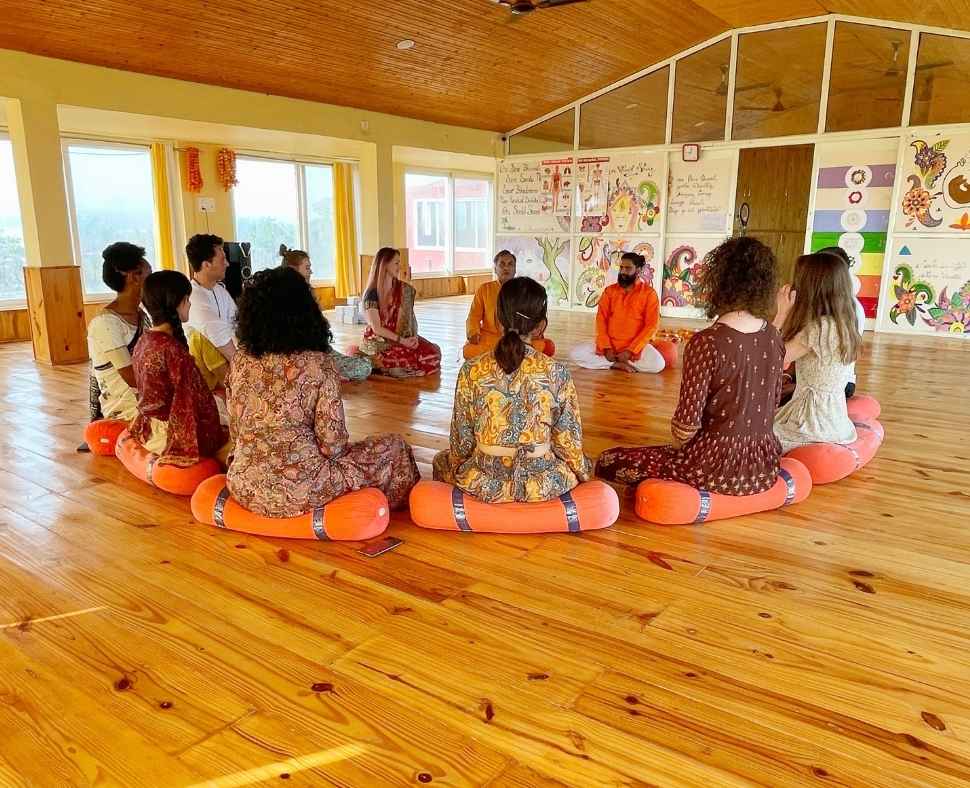
A 200 hour yoga teacher training course in rishikesh can introduce students to foundational areas such as asana, pranayama, anatomy, meditation, philosophy, and teaching methodology.
For practitioners who want to develop their existing knowledge further, advanced study can explore these subjects in greater depth. Gurukul Yogashala is among the yoga education institutions in Rishikesh where students can experience structured learning in a traditional yoga-oriented environment.
Practitioners with previous teacher-training experience may also explore a 300 hour yoga teacher training course in rishikesh as part of their continued education.
Creating a Consistent Practice
The benefits of yoga are often connected to consistency rather than performing difficult postures occasionally.
A beginner can start with a few comfortable poses and gradually build a regular routine. There is no need to hold a posture for excessive periods or perform advanced variations simply to improve digestive wellbeing.
Listening to the body, maintaining comfortable breathing, and practicing with appropriate guidance can make yoga a more sustainable part of daily life.
Final Thoughts
Pawanmuktasana, Ardha Matsyendrasana, Balasana, Vajrasana, and Setu Bandhasana can all become useful components of a gentle yoga routine focused on movement, relaxation, and digestive awareness.
Yoga works best as part of a broader healthy lifestyle. Regular movement, nutritious food, hydration, sleep, and stress management can complement a consistent yoga practice.
With patience and mindful practice, yoga can become a simple way to develop greater awareness of the body while supporting overall wellbeing.