Zenya Bug Zapper Review & Maintenance Guide — Keep Yours Working Like New
-
- March 22nd, 2026
- 292 views

Get a free topical map and start building content authority today.
Introduction
This Zenya bug zapper review covers performance, durability, and the maintenance steps needed to keep a Zenya unit working efficiently. It helps decide whether the unit fits patio, garage, or commercial needs and gives clear, actionable care instructions to extend service life.
- Primary intent: Commercial Investigation
- What this guide includes: product assessment, ZAP CARE maintenance checklist, safety notes, and practical tips
- Core cluster questions (see below) for related content and internal linking
- One authoritative safety reference: U.S. Consumer Product Safety Commission (safety best practices for consumer electrical devices)
Zenya bug zapper review: performance, design, and durability
The Zenya bug zapper review examines light trap effectiveness, grid power, ease of cleaning, and build quality. Most Zenya models use ultraviolet attractant lamps and a high-voltage grid; performance depends on lamp output, placement, and user maintenance.
Key features to evaluate
- Attractant system: single UV-A tube vs. multiple LEDs — affects range and insect attraction.
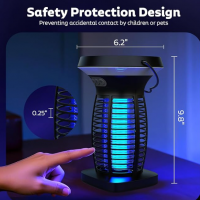
- Electrical grid strength and protected housing — impacts safety around children and pets.
- Cleaning access: removable collection tray and non-conductive brush tools.
- Coverage area rating and power draw — useful for comparing models and estimating running cost.
Pros and cons
- Pros: chemical-free control, low maintenance when cleaned regularly, instant knockdown of flying insects near the unit.
- Cons: limited to flying insects attracted to UV light, occasional nuisance from non-target insects, and the need for regular cleaning and lamp replacement.
Maintenance checklist: ZAP CARE checklist
Applying a repeatable maintenance routine prevents performance drop-off and reduces odor or fire risk. The named ZAP CARE checklist below gives a simple, memorable framework for Zenya bug zapper maintenance.
ZAP CARE checklist
- Zero power first: Unplug the unit and confirm it is powered off before any service.
- Accessory removal: Remove the collection tray and any detachable parts for cleaning.
- Purge debris: Use a soft brush or compressed air to clear the grid and interior — avoid metal tools.
- Check lamps: Verify the UV lamp is lit and replace lamps per manufacturer hours or when dim.
- Annual inspection: Look for corrosion, cracks, or compromised insulation; replace parts if damaged.
- Reassemble safely: Ensure components are dry and seated correctly before restoring power.
- Establish schedule: Clean once a month in high-use areas, quarterly in low-use zones.
Zenya bug zapper maintenance and cleaning
Routine Zenya bug zapper maintenance keeps insect-capture rates high and reduces electrical hazards. The most common tasks are emptying the collection tray, brushing the grid, and replacing the attractant lamp. For guidance on safe handling of consumer electrical products, consult the U.S. Consumer Product Safety Commission.
How to clean a Zenya unit
Cleaning steps should follow the ZAP CARE checklist. Typical steps: unplug unit, remove tray, brush out debris, wipe housing with a damp cloth, allow parts to dry fully, then reassemble. Avoid water inside the grid area and never use metal objects to scrape the grid.
Practical tips to keep a Zenya bug zapper in tip-top shape
- Place the unit 6–8 feet from human activity and 1–2 feet above ground for optimal attraction; avoid light competition from porch lights.
- Establish a cleaning schedule based on insect load: weekly for heavy use (summer patio), monthly for typical residential use.
- Keep replacement UV tubes on hand; lamp output declines before visible failure, reducing catch rate.
- Use a non-conductive brush and, where allowed, a short blast of compressed air for grid cleaning; always confirm power is disconnected.
Common mistakes and trade-offs
Common mistakes
- Not unplugging before cleaning — creates electrocution risk.
- Placing the unit too close to competing light sources, reducing effectiveness.
- Using metal tools on the grid or spraying water into electrical areas.
- Assuming lamp life is unlimited — dim or aging lamps lower catch rates.
Trade-offs when choosing placement and model
- Indoor vs. outdoor models: outdoor housings resist moisture but may be louder; indoor models prioritize aesthetics and quiet operation.
- LED vs. fluorescent UV lamps: LEDs last longer and use less power but may have narrower attraction spectrum for some insect species.
- Higher power units cover larger areas but increase energy use and may require more frequent cleaning due to higher capture rates.
Real-world example
Scenario: A homeowner with a summer patio used a mid-range Zenya model positioned too close to the porch light. Catch rates were low. After moving the unit 8 feet away from the porch light, following the monthly ZAP CARE cleaning cycle, and replacing the five-year-old lamp, insect captures rose by an observable margin and nuisance flies declined. This illustrates placement, lamp life, and routine cleaning as the three biggest practical levers for performance.
Core cluster questions (for related articles or internal links)
- What is the best placement for a Zenya bug zapper to maximize catches?
- How often should the Zenya bug zapper lamp be replaced for optimal performance?
- What are safe cleaning methods for bug zappers and electrical insect traps?
- How do LED-based insect attractants compare to UV fluorescent tubes in effectiveness?
- How to troubleshoot a Zenya unit that powers on but does not attract or knock down insects?
FAQ
Is the Zenya bug zapper review positive for residential use?
Yes, the Zenya family of units is generally suitable for residential use when matched to the coverage area and used with correct placement and maintenance. Units perform best away from competing lights and when lamps and trays are maintained.
How often should Zenya bug zapper maintenance be performed?
Follow the ZAP CARE schedule: empty and brush the collection tray monthly for typical residential use, weekly for heavy insect traffic, and inspect lamps and housing annually.
How to clean Zenya bug zapper safely?
Unplug the device, remove the collection tray, use a non-metal brush or compressed air to clear debris, wipe external housing with a damp cloth, and ensure all parts are dry before powering on. Never spray water into the grid area or use metal tools on energized components.
Are bug zappers safe to use around children and pets?
Bug zappers can be safe if installed out of reach, with protective housing intact, and maintained to avoid exposed wires or damaged insulation. For authoritative safety guidance, consult the U.S. Consumer Product Safety Commission. Always follow the manufacturer's safety instructions.
What to do if the Zenya unit powers on but insects are not being attracted?
Check lamp brightness and age, confirm placement away from competing lights, ensure the attractant lamp is the correct wavelength, and verify the grid is clean and intact. If the lamp is dim or older than the recommended hours, replace it and test again.
For ongoing performance, maintain a simple log of cleaning and lamp replacements. The combination of correct placement, the ZAP CARE checklist, and scheduled maintenance is the most reliable way to keep a Zenya bug zapper in tip-top shape.