14 Day Jordan Tour Through Ancient Cities and Desert Landscapes
-

- Published Updated
- 5,754 views
Some countries are easy to visit in a week. Jordan isn't one of them.
The first time many travelers start planning a trip to Jordan, they quickly realize something. There is far more to the country than Petra. Ancient Roman cities, Crusader castles, dramatic desert valleys, seaside escapes, and centuries of living traditions all compete for attention.
That's why a 14 day Jordan tour makes sense. Two weeks gives you enough time to slow down, experience different regions, and understand why Jordan has become one of the Middle East's most rewarding travel destinations.
Instead of rushing from one attraction to another, you get to connect the dots between history, culture, and nature.
Day 1-2: Getting to Know Amman
Most journeys begin in Amman, Jordan's capital. At first glance, the city feels modern and busy. But look closer, and you'll find traces of civilizations that stretch back thousands of years.
Spend your first days exploring:
- The Amman Citadel
- Roman Theater
- Rainbow Street
- Local cafés and markets
- Traditional Jordanian cuisine
Many travelers underestimate Amman. I did too. But after wandering through downtown streets and sharing conversations with locals over coffee, the city starts revealing its personality.
And that's the beauty of Jordan. The experiences aren't always loud. Sometimes they unfold slowly.
Day 3: Jerash and Ajloun
Ask history lovers about Jordan, and Petra usually dominates the conversation. Yet Jerash deserves equal attention.
Often called one of the best-preserved Roman cities outside Italy, Jerash feels like stepping into another era. Walking beneath towering columns and entering ancient plazas, it's easy to imagine what life looked like nearly 2,000 years ago.
Nearby, Ajloun Castle offers another layer of history. Built during the time of Saladin, the fortress once protected trade routes and defended the region against Crusader attacks.
Together, these sites tell stories that span centuries.
Day 4: Madaba and Mount Nebo
No 14 day Jordan tour would be complete without visiting Madaba.
Known as the "City of Mosaics," Madaba houses remarkable Byzantine artwork, including the famous mosaic map of the Holy Land.
A short drive away sits Mount Nebo, one of Jordan's most important biblical sites. Tradition holds that Moses viewed the Promised Land from this mountain.
Even if you're not traveling for religious reasons, the views alone are worth the visit.
On clear days, you can see across the Jordan Valley toward Jerusalem.
Day 5: Exploring the Dead Sea
The Dead Sea is one of those places that sounds strange until you experience it yourself.
Floating effortlessly in mineral-rich water feels almost unreal.
Most visitors spend the day:
- Relaxing by the shore
- Trying mineral mud treatments
- Watching the sunset
- Enjoying the peaceful surroundings
Here's something many guides don't mention.
You don't need an action-packed itinerary every day. After several days of sightseeing, slowing down becomes part of the experience.
Day 6: Karak Castle and Ancient Trade Routes
Heading south introduces travelers to Karak Castle.
Built by Crusaders in the 12th century, this massive fortress overlooks valleys that once carried merchants and armies.
Walking through dark passageways and underground chambers gives you a glimpse into medieval life.
History in Jordan isn't hidden behind museum glass.
You're standing inside it.
Day 7-8: Petra Beyond the Postcards
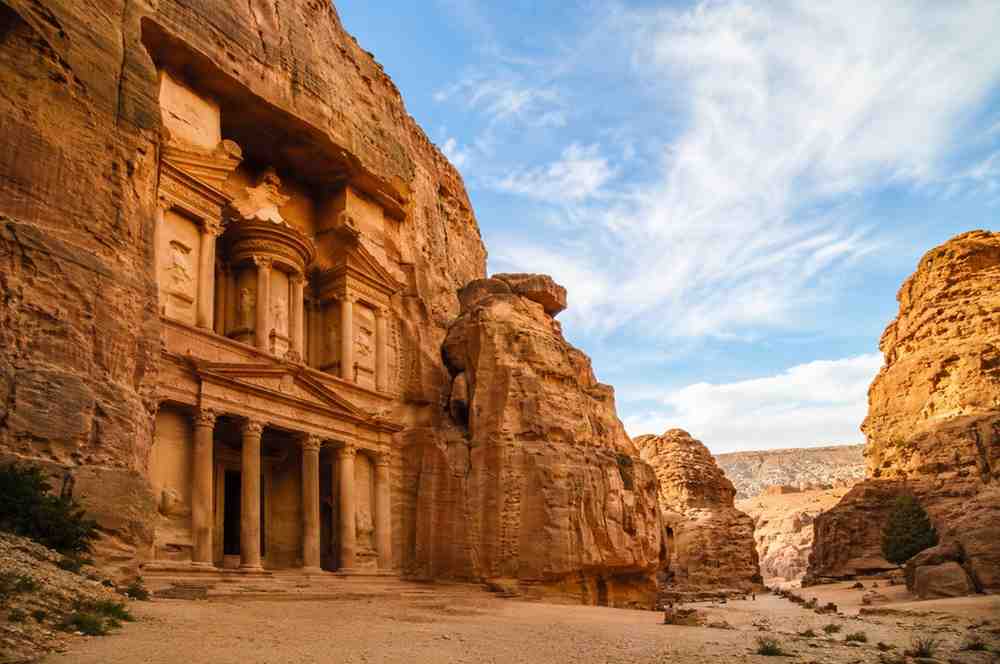
Everyone has seen photographs of Petra's Treasury.
Nothing prepares you for seeing it in person.
Emerging from the narrow Siq and catching your first glimpse of the famous façade is unforgettable.
But here's where many travelers make a mistake.
They dedicate one day to Petra.
That's rarely enough.
Two days allow you to explore:
- The Treasury
- Street of Facades
- Royal Tombs
- The Monastery
- High Place of Sacrifice
- Hidden trails and viewpoints
Petra rewards patience.
The crowds thin out. The colors change with the sunlight. And suddenly, the city feels less like a tourist attraction and more like an archaeological wonder carved directly into the mountains.
Day 9-10: Wadi Rum's Desert Landscapes
If Petra tells the story of ancient civilizations, Wadi Rum tells the story of nature.
Massive sandstone mountains rise from endless valleys. The silence here feels different. Almost cinematic.
Many travelers describe Wadi Rum as one of the highlights of their trip.
Popular activities include:
- Jeep excursions through the desert.
- Watching sunset over the red dunes.
- Visiting Bedouin camps.
- Stargazing under remarkably clear skies.
- Short hiking adventures.
Most travel articles focus on the scenery.
But the cultural experience matters just as much.
Sharing tea with Bedouin families and listening to stories passed down through generations often leaves a lasting impression.
Day 11: Aqaba and the Red Sea
After days spent exploring deserts and ruins, Aqaba brings a change of pace.
Jordan's only coastal city offers:
- Snorkeling
- Scuba diving
- Beach resorts
- Fresh seafood
- Relaxed waterfront views
The Red Sea's coral reefs attract visitors from around the world.
Even if you don't dive, spending a day near the water creates a nice balance within the journey.
Day 12: Dana Biosphere Reserve
Jordan's natural diversity surprises many visitors.
Dana Biosphere Reserve showcases landscapes that range from mountains to valleys and desert plains.
Nature lovers often appreciate:
- Hiking trails
- Wildlife spotting
- Traditional villages
- Scenic viewpoints
Most people associate Jordan with archaeology.
But its landscapes deserve equal recognition.
Day 13: Hidden Gems and Local Experiences
By the second week, many travelers discover that the most memorable moments aren't always famous landmarks.
Sometimes it's:
- A conversation with a shop owner.
- A family recipe shared over dinner.
- Fresh bread coming out of a village bakery.
- Watching daily life unfold in small towns.
Those moments rarely appear on postcards.
Yet they're often what people remember years later.
Day 14: Returning to Amman
As the trip comes full circle, returning to Amman offers one final chance to reflect.
In fourteen days, you've traveled through:
- Roman cities.
- Biblical sites.
- Crusader castles.
- Desert landscapes.
- Ancient wonders.
- Coastal towns.
- Nature reserves.
Very few destinations offer such variety within relatively short driving distances.
That's what makes Jordan unique.
When a 14 Day Jordan Tour Makes the Most Sense
Two weeks work particularly well if:
- You prefer slower travel.
- History interests you.
- You enjoy cultural experiences.
- You want a balance between adventure and relaxation.
- You dislike rushing through destinations.
When This Style of Trip May Not Work
If you only have five or six days available, trying to squeeze everything into one visit can become exhausting.
In that case, focusing on Amman, Petra, Wadi Rum, and the Dead Sea usually creates a more comfortable experience.
Final Thoughts
A 14 day Jordan tour isn't simply about checking famous landmarks off a list.
It's about understanding how ancient civilizations, natural landscapes, and modern Jordanian culture connect with one another.
One morning you're standing among Roman ruins. By evening, you're watching stars appear over a desert valley.
And somewhere between Petra's rose-colored cliffs and the peaceful waters of the Dead Sea, many travelers discover that Jordan has a way of staying with you long after the journey ends.
Maybe that's why so many visitors leave with the same thought.
Two weeks somehow still doesn't feel like enough.