16 Essential IoT Devices Powering the Connected World
-

- February 24th, 2026
- 1,457 views

FREE SEO Topical Map Generator: Find Your Next Content Ideas
Overview
IoT devices are physical objects embedded with sensors, software, and network connectivity that collect and exchange data. This guide lists 16 common device types that help connect homes, businesses, cities, and industrial systems, explains their roles, and outlines key connectivity and security considerations.
- 16 categories of connected devices span consumer, commercial, and industrial domains.
- Common components: sensors, actuators, gateways, and cloud/edge platforms.
- Connectivity and security are critical — protocols like MQTT, CoAP, Wi‑Fi, Bluetooth, LoRaWAN, and cellular are widely used.
Top 16 IoT devices that connect the world
1. Environmental sensors
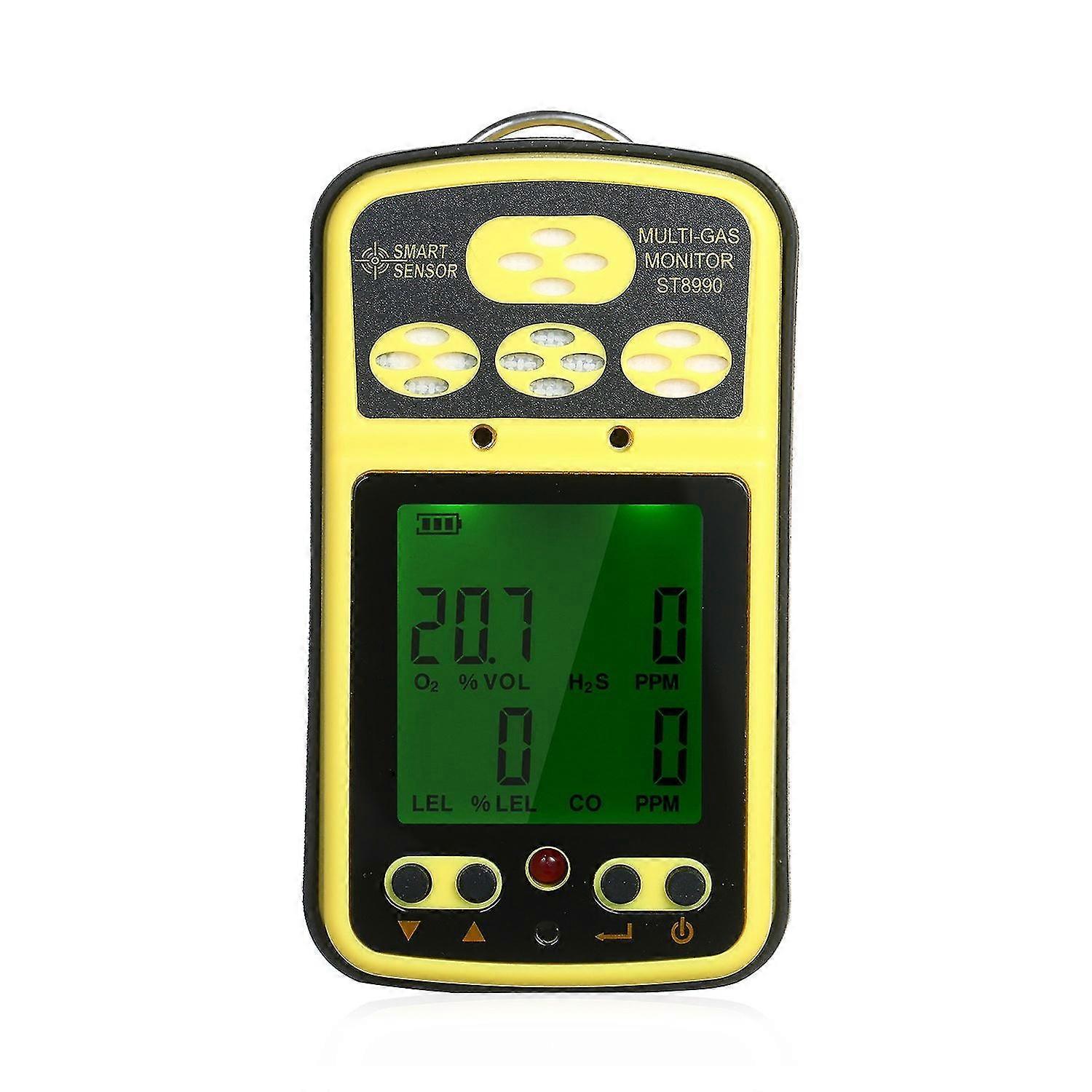
Devices that measure temperature, humidity, air quality, light, and noise levels. Often deployed in smart buildings, agriculture, and environmental monitoring to provide continuous telemetry for analytics and alerts.
2. Smart thermostats and HVAC controllers
Thermostats and connected HVAC controllers automate climate control using data from sensors and user schedules. Integration with energy management systems helps optimize consumption.
3. Smart lighting and lighting controllers
Connected bulbs, switches, and lighting controllers enable remote control, scheduling, occupancy sensing, and adaptive lighting scenes for energy savings and convenience.
4. Wearables
Fitness trackers, smartwatches, and health monitors collect physiological and activity data. Wearables connect via Bluetooth or cellular links to smartphones and cloud services for analysis.
5. Smart home hubs and gateways
Local hubs aggregate data from local devices and bridge protocols (Zigbee, Z‑Wave, Bluetooth) to Wi‑Fi or wired networks, enabling device interoperability and local automation.
6. Connected cameras and video doorbells
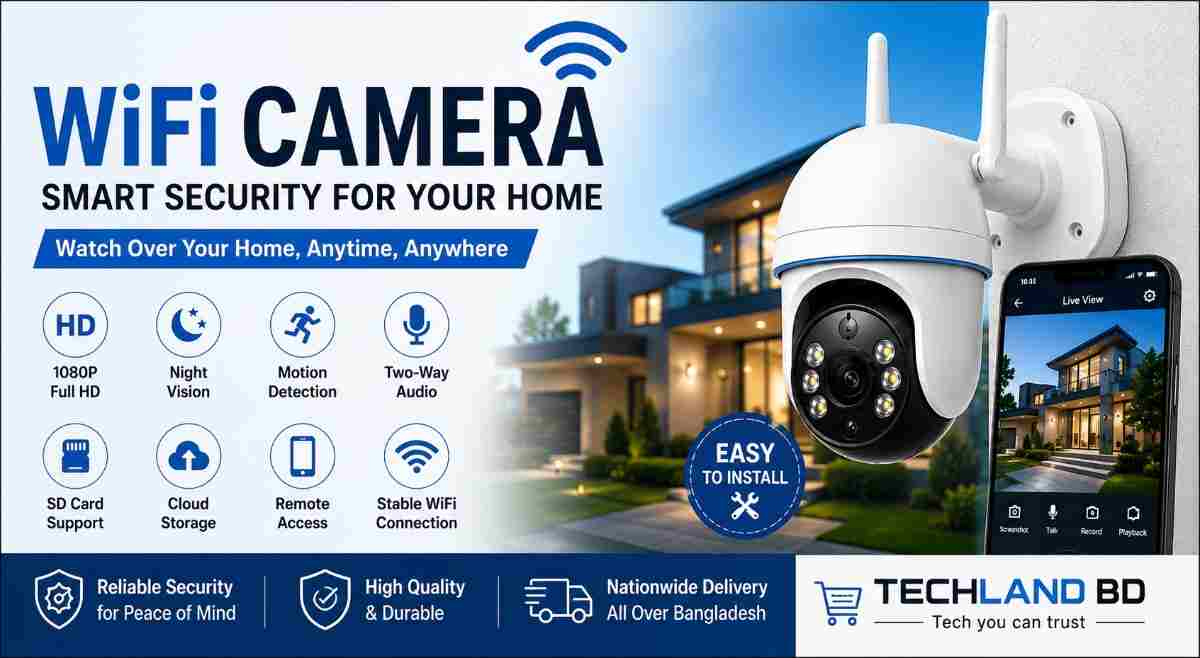
IP cameras and doorbells stream video for security and monitoring. Edge processing for motion detection and cloud services for storage and analytics are common.
7. Smart locks and access control systems
Electronic locks and access controllers manage entry to buildings or vehicles. They frequently integrate with identity systems, smartphones, and building automation platforms.
8. Smart appliances
Connected refrigerators, washers, ovens, and other appliances support remote control, usage tracking, and predictive maintenance through telemetry data.
9. Industrial sensors and actuators (IIoT)
Vibration sensors, flow meters, pressure transducers, and industrial actuators monitor and control manufacturing equipment and infrastructure for efficiency and safety.
10. Asset trackers and telematics
GPS and cellular-enabled devices track vehicles, shipments, and high-value assets. Telematics provide routing, usage, and condition data for logistics and fleet management.
11. Smart meters
Electricity, gas, and water meters with networked reporting enable utility monitoring, demand response, and more granular billing or consumption insights.
12. Medical and clinical IoT devices
Remote monitoring devices, connected infusion pumps, and telemetry units support healthcare delivery and patient monitoring; regulatory and privacy requirements are important in this sector.
13. Industrial gateways and edge devices
Gateways aggregate device data, perform protocol translation, and run edge analytics to reduce latency and bandwidth usage before forwarding data to cloud platforms.
14. Smart city infrastructure
Connected streetlights, traffic sensors, public transport trackers, and waste sensors help cities optimize services, reduce costs, and improve urban planning.
15. Agricultural sensors and controllers
Soil moisture sensors, weather stations, and irrigation controllers enable precision agriculture by providing data to automate watering and crop management.
16. Connected industrial robots and machinery
Robots and CNC machinery with networked control enable remote monitoring, automated workflows, and predictive maintenance in manufacturing environments.
Connectivity, protocols, and standards
IoT devices use a mix of short-range and wide-area connectivity: Wi‑Fi and Bluetooth for local links, Zigbee and Thread for mesh networks, LoRaWAN and NB‑IoT for low‑power long‑range use, and cellular (4G, 5G) for mobility and bandwidth. Messaging protocols like MQTT and CoAP enable lightweight telemetry, while TLS, DTLS, and hardware roots of trust support device security. Interoperability efforts from standards bodies such as IEEE and IETF influence device behaviour and protocol choices.
Security, privacy, and lifecycle considerations
Security and privacy are central to reliable IoT deployments. Common concerns include insecure default credentials, unencrypted communications, and weak update mechanisms. Best practices include device authentication, encrypted transport, secure boot, timely firmware updates, and network segmentation to limit exposure. Organizations such as the National Institute of Standards and Technology (NIST) publish guidance on IoT security and risk management for implementers and operators.
Further information from an authoritative source: NIST IoT resources.
Deployment and management tips
Successful IoT deployments balance device capabilities, connectivity options, data governance, and maintainability. Centralized device management, logging, and monitoring help scale operations. Edge computing can reduce latency and protect sensitive data by processing information close to where it is generated.
Frequently asked questions
What are IoT devices and how do they work?
IoT devices integrate sensors, actuators, embedded processors, and network interfaces to gather data, act on inputs, and communicate with other systems. Data is often processed locally at the edge and transmitted to cloud platforms or enterprise systems for storage, analysis, and integration with applications.
Which communication protocols do IoT devices use?
Common protocols include MQTT and CoAP for messaging, HTTPS/TLS for secure transport, and network technologies such as Wi‑Fi, Bluetooth Low Energy, Zigbee, LoRaWAN, NB‑IoT, and cellular networks depending on range, power, and bandwidth needs.
How are IoT devices secured throughout their lifecycle?
Security measures include unique device identities, strong authentication, encrypted communications, secure boot and firmware signing, regular patching, and secure decommissioning. Governance and monitoring complement technical controls to manage risk.
Can IoT devices be used in industrial environments?
Yes. Industrial IoT (IIoT) devices are designed for harsher environments and integrate with industrial control systems, OT networks, and asset management frameworks for automation and predictive maintenance.
How do privacy regulations affect IoT device deployments?
Data protection laws and industry regulations influence how personal and sensitive data is collected, stored, and shared. Implementers should map data flows, minimize collection, and apply appropriate access controls and anonymization techniques to comply with applicable requirements.
Are there standards or best practices for choosing IoT devices?
Standards and best practices from organizations such as NIST, IEEE, and IETF can guide choices in security, interoperability, and architecture. Evaluating vendor update policies, security features, and compatibility with existing systems is important when selecting devices.