How 3PL Warehouses in Toronto Optimize Inventory and Capacity During Seasonal Peaks
-
- February 23rd, 2026
- 1,544 views
Seasonal cycles affect retailers, manufacturers and distributors across Canada. 3PL warehouses in Toronto adapt to predictable peaks such as holiday retail, back-to-school and summer construction by combining forecasting, flexible capacity and technology to keep inventory levels aligned with demand.
- Forecasting and collaboration with customers reduce stockouts and excess inventory.
- Flexible staffing, temporary racking and cross-docking increase throughput during peaks.
- Warehouse management systems (WMS), analytics and automation support dynamic slotting and order prioritization.
- Regulatory, cross-border and cold-chain considerations affect capacity planning in Toronto.
How 3PL warehouses in Toronto manage seasonal fluctuations in demand and inventory levels
Managing seasonal swings starts with demand planning. Third-party logistics providers in Toronto use historical sales data, point-of-sale integrations and market indicators to forecast demand. Forecasts are combined with safety stock rules, lead-time analysis and replenishment cycles to set target inventory levels. Collaboration with clients, suppliers and carriers helps share demand signals early so pre-season stock builds can occur without creating long-term excess.
Forecasting, inventory strategies and client collaboration
Demand forecasting and scenario planning
Effective forecasting blends statistical models with business context. Forecasts may account for promotions, weather, local events and macroeconomic indicators. Scenario planning prepares for multiple demand trajectories—baseline, high and surge—so warehouse operators can trigger predefined capacity and staffing plans.
Inventory policies and stock placement
Inventory strategies include dynamic safety stock, seasonal staging and vendor-managed inventory (VMI). Slotting optimization places high-turn SKUs near pick zones during peaks to reduce travel time. Some operators use dedicated seasonal lanes or reserve racking to isolate short-term inventory from steady-state stock.
Operational tactics during peak periods
Flexible labor and temporary resources
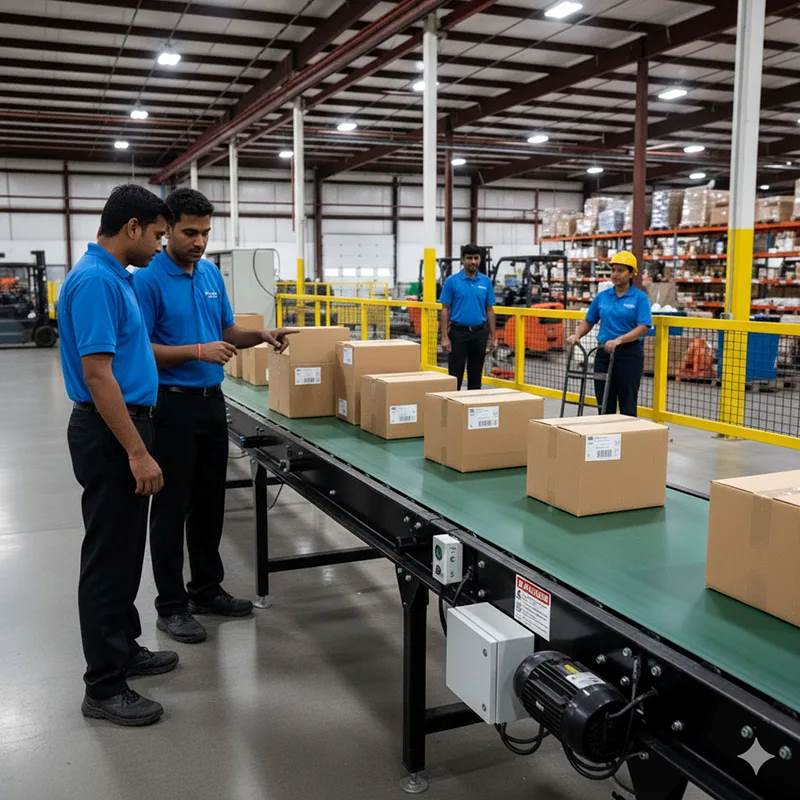
Seasonal staffing through cross-trained employees, part-time hires and temp agencies is common. Flexible shift patterns, clear productivity targets and safety training maintain throughput while complying with provincial labour rules. Temporary investments—such as portable conveyors, pop-up packing stations and extra forklifts—enable short-term capacity increases without long-term capital commitments.
Cross-docking, surge lanes and returns handling
Cross-docking reduces storage time by transferring inbound goods directly to outbound shipments. Surge lanes and express pick areas accelerate high-priority orders. Returns processing capacity is often scaled separately during post-peak periods to avoid congestion that could affect inbound replenishment.
Technology, automation and data-driven adjustments
Warehouse management systems and integration
Modern WMS platforms support real-time inventory visibility, dynamic slotting and task interleaving. Integration with customers’ order systems and carriers’ TMS (transportation management systems) allows synchronized replenishment and routing. Barcode, RFID and mobile scanning reduce errors and speed cycle counting, helping managers make timely inventory adjustments.
Analytics, KPIs and adaptive controls
Common KPIs include inventory turnover, order fill rate, dock-to-stock time and on-time delivery. Dashboards and predictive analytics detect emerging trends—such as SKU-level acceleration—so managers can reallocate space, adjust pick priorities or increase replenishment frequency.
Regulatory, cross-border and cold-chain considerations
Toronto is a major logistics hub with cross-border flows to the U.S. and international shipments arriving through ports and airports. Compliance with the Canada Border Services Agency (CBSA), customs processes and applicable tariffs affects lead times and inventory planning. Perishables require cold storage and temperature monitoring to maintain quality; this adds capacity constraints and requires specialized handling and traceability.
Public data from organizations such as Statistics Canada can inform demand models and broader economic context when planning seasonal capacity.
Performance measurement and contingency planning
Measuring success
Evaluations after peak periods focus on accuracy of forecasts, fill rates, fulfillment cost per order and customer service metrics. Lessons learned inform contract terms, inventory buffers and technology investments for the next cycle.
Contingency and risk management
Contingency steps include pre-negotiated carrier surge capacity, backup warehouse sites, temporary racking and vendor diversification. Risk registers covering labour disruptions, supplier shortages and equipment failures are maintained and tested to reduce downtime during critical periods.
Cost and commercial approaches
3PLs typically use a mix of long-term contracts and seasonal pricing to reflect capacity scarcity during peaks. Transparent service-level agreements (SLAs) and chargeable options for expedited handling help clients weigh inventory carrying costs against stockout risks. Multi-tenant facilities can offer smaller clients access to peak-season infrastructure at shared cost.
Environmental and sustainability considerations
Seasonal surges can increase emissions from expedited freight and temporary equipment. Strategies such as consolidation, route optimization and energy-efficient material handling can reduce environmental impact while supporting capacity goals.
Final note
By combining forecasting, flexible operations, appropriate technology and regulatory awareness, 3PL warehouses in Toronto aim to balance service levels with cost and capacity constraints during seasonal fluctuations. Continuous improvement cycles and data-informed partnerships with clients remain central to predictable outcomes.
FAQ: How do 3PL warehouses in Toronto handle sudden spikes in demand?
Sudden spikes trigger predefined surge plans: temporary labor increases, rapid slotting changes, cross-docking, prioritized order flows and possible use of overflow storage. Communication with carriers and clients is accelerated to align pickups and reduce bottlenecks.
What technology helps 3PLs manage seasonal inventory?
Warehouse management systems (WMS), analytics platforms, mobile scanning, RFID and integrations with order and transport systems are key. Automation such as conveyor systems, sorters and automated storage/retrieval systems (AS/RS) are used where ROI supports the seasonal throughput.
How do 3PLs maintain compliance during peak seasons?
Compliance is maintained through established procedures for customs documentation, temperature-controlled handling, safety training and record-keeping. Coordination with agencies like CBSA and adherence to provincial labour and health regulations are part of standard operating practice.