Har Ki Dun Trek Guide: 7 Surprises, Route Insights & TREK SAFE Checklist
-

- April 18th, 2026
- 367 views

👉 Best IPTV Services 2026 – 10,000+ Channels, 4K Quality – Start Free Trial Now
Har Ki Dun trek guide: Essential overview
The Har Ki Dun trek guide below explains what to expect on this classic Uttarakhand route, including terrain, altitude considerations and seven real surprises that often catch trekkers off guard. Use this guide for practical planning, risk awareness, and a compact preparation checklist before heading to Sankri and Govind Pashu Vihar.
Detected intent: Informational
- Primary focus: terrain, surprises, safety and preparation for Har Ki Dun
- Includes: TREK SAFE checklist, a short scenario, 3–5 actionable tips and common mistakes
- Authoritative reference: WHO: Altitude illness Q&A (advice on acclimatization)
What makes this Har Ki Dun trek guide different
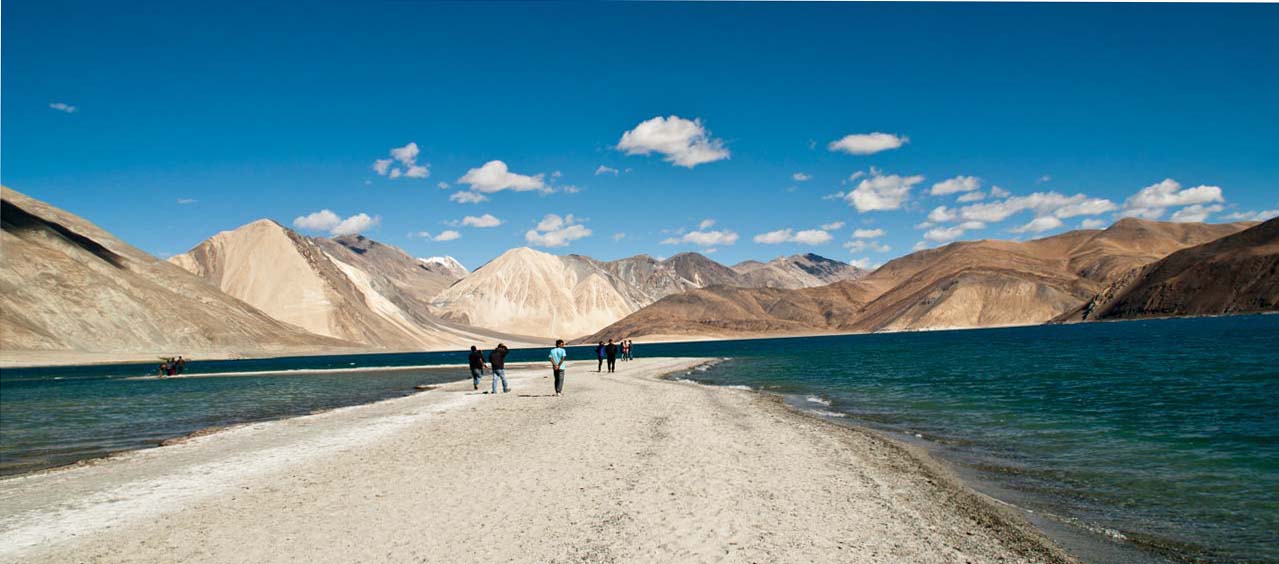
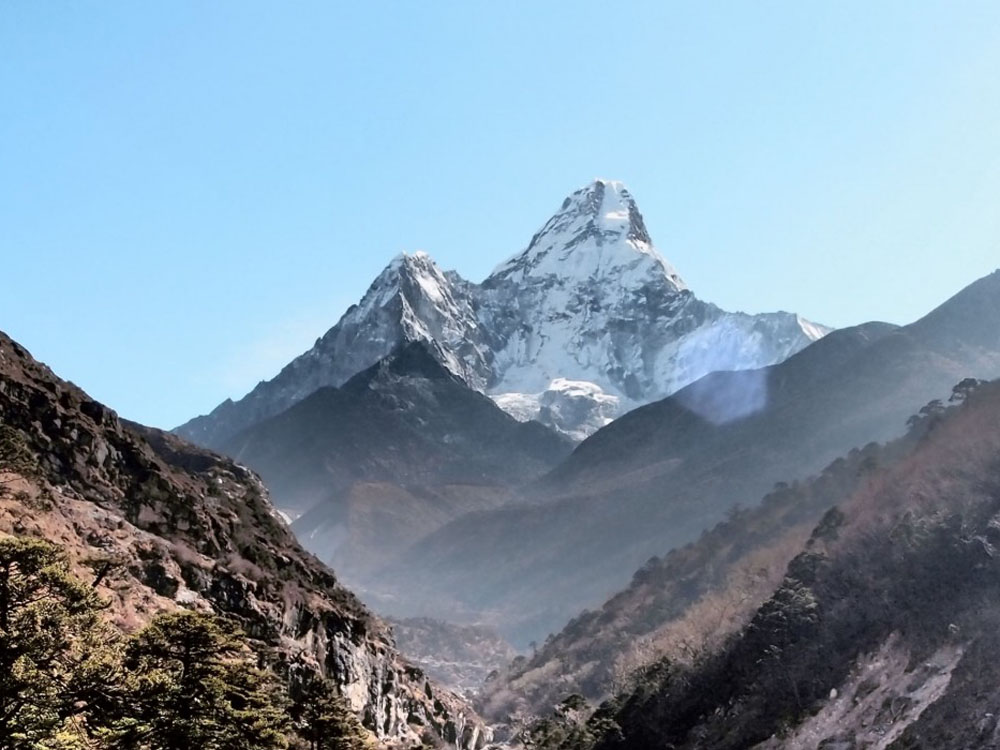
This Har Ki Dun trek guide focuses on unexpected conditions and practical responses: sudden weather swings, remote campsite logistics, and route features such as alpine meadows, glacial streams and stone-slab sections. Related terms include Sankri, Govind Pashu Vihar, Dodital and alpine meadow camping.
7 surprising things trekkers encounter on Har Ki Dun
- Alpine meadows that change daily: The trek crosses verdant bugyals (meadows) that look different every day—flowers, grazing livestock or fog can alter campsite choices.
- Microclimates: Clear blue skies can turn to wet snow or heavy mist within hours due to valley winds and elevation gain.
- River crossings with variable depth: Early season melt swells streams; late season crossings may be shallow but colder.
- Unexpected altitude effects: Symptoms can appear below 3,000 m for some people; plan acclimatization and monitor pulse and sleep.
- Limited cellular coverage: Mobile signal is intermittent—download maps and share GPS waypoints before entering remote sections.
- Local culture and seasonal grazing: Shepherds and temporary stone huts appear unexpectedly and can be a source of water or local information.
- Trail ambiguity in snow: Snow cover can hide the trail; using GPS tracks and route notes is essential in winter or early spring.
Route, difficulty and altitude: real expectations
Typical itinerary runs Sankri → Baati → Osla → Har Ki Dun base → Har Ki Dun valley. Elevation gain is gradual but the highest camps approach 3,500–3,800 m. For clear decision-making, this section addresses Har Ki Dun altitude and difficulty: the route is moderate for fit trekkers but requires endurance, basic navigation and readiness for weather shifts.
Named framework: TREK SAFE checklist
Use the TREK SAFE checklist as a compact preparation model before departure.
- Training: 6–8 weeks of regular hikes and stair climbs to build endurance.
- Route plan: GPS tracks, daily stages and emergency exit points documented.
- Equipment: layered clothing, waterproofs, insulated sleeping pad, stove and headlamp.
- Knowledge: map reading, basic first aid and altitude symptom recognition.
- Sustenance: calorie-dense food, electrolytes and water purification method.
- Acclimatize: schedule rest days and limit ascent to recommended rates.
- First aid kit: include pulse oximeter, acetazolamide only if prescribed, and blister care.
- Emergency plan: local contact, nearest extraction points and insurance details.
Short scenario: planning a two-day acclimatization stop
A trekking party plans to add a rest day at 2,600 m (Osla) after the first night in Sankri to reduce the risk of altitude illness. During the extra day, light walks, hydration and sleep monitoring reduced symptoms, allowing safer ascent to higher camps. This scenario illustrates why a single acclimatization day can change outcomes.
Har Ki Dun trek preparation checklist
Include these practical items in pre-trip planning: permits (if required), local contact numbers, printed map, extra fuel, warm layers, and a navigation device with offline maps. Check weather forecasts and local trail updates from park authorities.
Practical tips (actionable)
- Start training 6–8 weeks ahead with hikes carrying a loaded pack to simulate conditions.
- Categorize daily clothing as base, mid and outer layers and dry-bag each set to avoid wet sleepwear.
- Hydrate early and regularly; use a water filter and treat suspicious sources—boil if unsure.
- Download offline topographic maps and save multiple GPS waypoints for camps and junctions.
- Carry spare food for one extra day and an emergency bivvy for unexpected delays.
Trade-offs and common mistakes
Trade-offs: cutting days from an itinerary shortens time on trail but reduces acclimatization; ultralight packing saves energy but increases exposure risk in bad weather. Common mistakes include underestimating river crossings, ignoring early altitude signs, and relying solely on mobile coverage for navigation.
Core cluster questions (for related content links)
- How to prepare physically for the Har Ki Dun trek?
- What gear is essential for Har Ki Dun in the monsoon season?
- Which routes and camps are best for acclimatization on Har Ki Dun?
- How do river crossings change on Har Ki Dun through the season?
- Where to find reliable maps and GPS tracks for Har Ki Dun?
Final planning checklist before departure
Confirm transport to Sankri, carry printed permits or receipts, leave trip plan with a trusted contact and ensure at least one person in the group can navigate with map and compass. Monitor weather reports and consider flexible timing to avoid storm windows.
FAQ
Is the Har Ki Dun trek guide suitable for beginners?
Yes, the Har Ki Dun trek is considered approachable for fit beginners when planned with proper acclimatization, a conservative itinerary, and adherence to the TREK SAFE checklist. Hiring a knowledgeable local guide can reduce navigational risk in snow or fog.
How hard is the Har Ki Dun trek in terms of altitude and difficulty?
The highest camps near Har Ki Dun reach roughly 3,500–3,800 m. Difficulty is moderate: expect long walking days, stream crossings and variable trail conditions. Prior fitness and layered gear are essential.
What is the best season to trek Har Ki Dun?
Post-monsoon (September–November) and spring (April–June) are the most stable seasons. Winter brings deep snow and requires mountaineering experience; monsoon increases landslide and crossing risks.
How can altitude sickness be prevented on Har Ki Dun?
Follow gradual ascent, include rest/acclimatization days, hydrate, avoid alcohol, and monitor symptoms. For clinical guidance on altitude illness and prevention, refer to the World Health Organization guidance linked above.
What are typical emergency plans on this route?
Identify the nearest extraction points (vehicle roads and Sankri), carry emergency contact numbers, and have insurance that covers mountain rescue. If severe altitude sickness occurs, descend immediately to a lower elevation.