8 Color Combinations for Women's Clothing: Stylish Palette Ideas and How to Wear Them
-

- March 10th, 2026
- 1,358 views

👉 Best IPTV Services 2026 – 10,000+ Channels, 4K Quality – Start Free Trial Now
Choosing color combinations for women's clothing makes outfits feel intentional instead of accidental. This guide lists eight proven palettes, explains why they work, and gives actionable tips for mixing tones, textures, and accessories so garments look polished for everyday wear.
- Detected intent: Informational
- Primary takeaway: Use one dominant color, one supporting color, and a neutral to build versatile outfits.
- Includes: 8 color palettes, a named COLOR checklist, a short scenario, 3–5 practical tips, and 5 core cluster questions for further reading.
- What are the most versatile color combinations for women's wardrobes?
- How to adapt color palettes for different seasons and skin tones?
- Which neutrals work best with bright color pairings?
- How to match accessories to outfit color combinations?
- What are common mistakes when mixing prints and colors?
Color combinations for women's clothing: 8 effective palettes
Below are eight color pairings followed by short notes on balance, texture, and when each palette performs best. Each example names an occasion and a quick outfit idea so palettes are easy to visualize.
1. Navy + Camel + White (Professional and timeless)
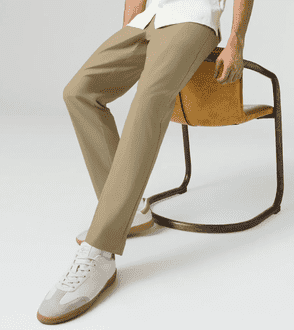
Why it works: Navy and camel create a warm, neutral contrast that feels sophisticated. Add crisp white to keep the look fresh. Outfit idea: Navy blazer, camel trousers, white blouse, tan loafers.
2. Black + Charcoal + Burgundy (Evening or autumn layers)
Why it works: Close dark tones with one rich accent color feel cohesive and elevated. Use burgundy accessories or a knit to add depth.
3. Olive + Mustard + Cream (Casual warmth, great for fall)
Why it works: Earth tones in different temperatures pair naturally. This is a practical seasonal palette for casual wear and outdoor events.
4. Blush Pink + Gray + Gold (Soft, feminine, work-to-evening)
Why it works: Pale pink softens gray; gold hardware or jewelry adds polish. Ideal for meetings that transition to social evenings.
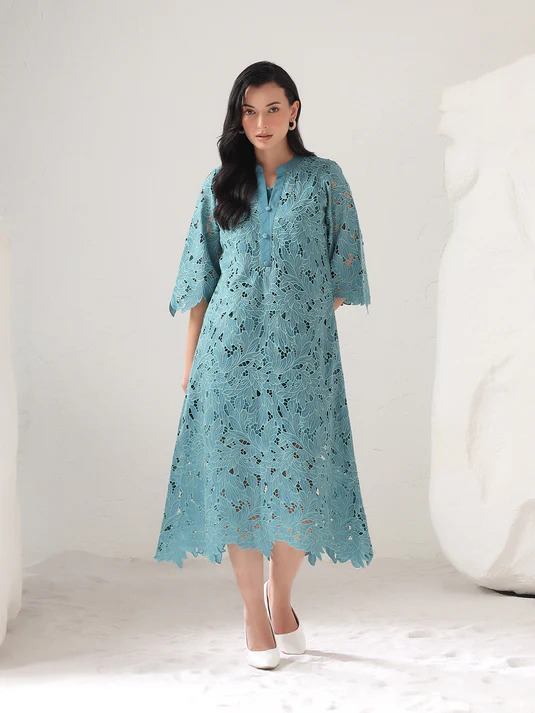
5. Teal + Coral + Sand (Spring and summer brightness)
Why it works: Complementary temperature — teal cools while coral brings warmth. Balanced with sand or beige neutrals for wearability.
6. White + Denim + Olive (Weekend essentials)
Why it works: Clean white and blue denim pair with olive for a grounded, low-effort look. Works across ages and seasons.
7. Emerald + Navy + Soft Beige (Bold but wearable)
Why it works: Deep jewel tones feel luxe when anchored with navy and a light neutral. Great for statement dresses or outerwear.
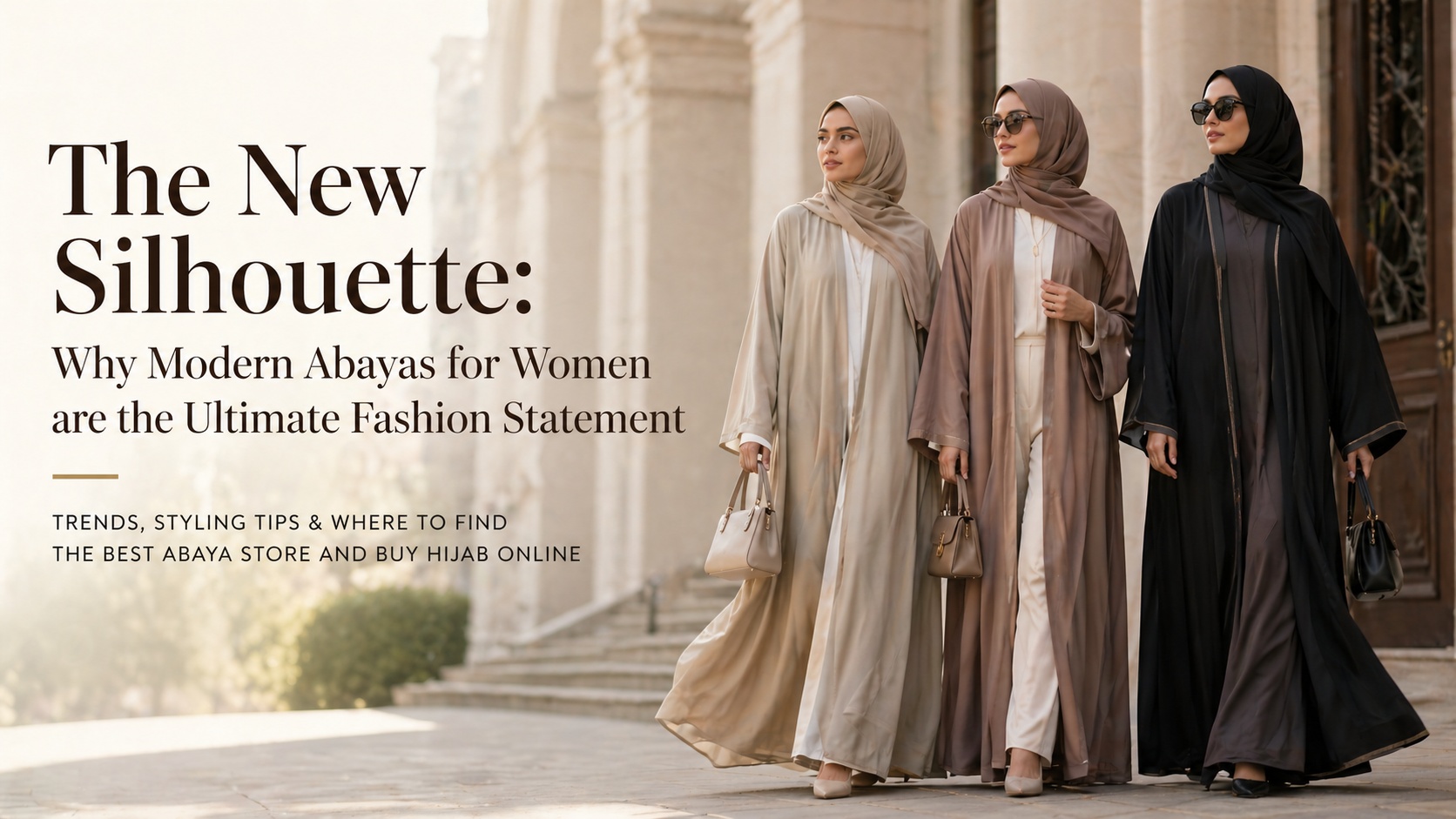
8. Monochrome Beige to Brown (Minimalist, texture-focused)
Why it works: Tonal dressing—using several shades of the same color—relies on texture contrast (knits, leather, silk) rather than color contrast.
CUSTOM CHECKLIST: the COLOR checklist for building outfits
Use the named COLOR checklist before leaving the house: a quick framework to assess any outfit.
- Contrast — Verify at least one contrast point (light/dark or temperature).
- Occasion — Adjust palette formality to the event.
- Layering — Add a neutral layer to unify colors.
- One focal color — Choose one color to carry across multiple pieces or accessories.
- Repeat — Repeat a color at least twice (shoes, bag, or accessory) to create cohesion.
Practical styling tips and best practices
These actionable tips help apply the palettes above to real wardrobes.
- Start with a neutral foundation (black, navy, gray, beige) and add one or two accent colors.
- Consider proportion: use bold colors in smaller doses (scarves, shoes) if uncertainty exists.
- Match color intensity: pair saturated colors together and muted tones together for visual harmony.
- Use metallics (gold, silver) as a neutral finishing touch that complements most palettes.
Tip: Check contrast for readability and visibility
High color contrast improves outfit readability from a distance and is especially important in professional settings; accessibility guidelines for contrast can be a useful reference when choosing combinations (W3C WCAG).
Short real-world scenario
Scenario: For a summer brunch that could turn into an afternoon walk, choose the Teal + Coral + Sand palette. Wear a teal midi dress, coral sandals, and a sand crossbody bag. Add a denim jacket for cooler moments. This combination balances brightness with a grounding neutral and layers easily.
Trade-offs and common mistakes
Common mistakes
- Too many competing accents — limit to one or two attention-grabbing colors.
- Ignoring proportion — oversized color blocks can overwhelm a silhouette without balancing neutrals.
- Mixing unbalanced color temperatures — warm and cool colors can work, but balance is required.
Trade-offs
Bright palettes increase visibility but reduce versatility; neutral-heavy palettes are versatile but can look dull without texture or a focal accessory. Monochrome outfits simplify decisions but rely on fabric quality and fit to feel finished.
Seasonal guidance and best color pairings for outfits
Seasonal color palettes for women shift by temperature and depth: spring favors clear, light tones; summer favors soft pastels; fall supports warm, muted hues; winter suits deep, saturated colors. Rotate accent pieces seasonally to refresh a limited wardrobe.
FAQ
What are the best color combinations for women's clothing?
Some of the most reliable combinations are navy + camel + white, blush + gray + gold, and navy + emerald + beige. Start with one dominant color, a supporting color, and a neutral to keep outfits cohesive.
How can color choices flatter different skin tones?
Warm skin tones often pair well with earth tones (olive, mustard), while cool skin tones commonly suit jewel tones (teal, emerald). Test small accessories first to see how colors interact with natural coloring.
Can prints be mixed with the color palettes listed?
Yes—anchor prints with a neutral from the palette and pick one printed color to echo elsewhere in the outfit to maintain cohesion.
How should accessories be chosen to match outfit color combinations?
Use accessories to repeat a dominant or accent color. Shoes and bags in a neutral or the accent color help unify the look; metallics work as low-effort neutral finishes.
How to adapt these palettes for formal or casual events?
Raise formality by choosing structured fabrics and darker neutrals (navy, black) and lower formality with casual fabrics (denim, cotton) and lighter neutrals (sand, cream).