8-Point Facelift Abu Dhabi: Complete Guide to Restoring Youthful Contours
-

- February 23rd, 2026
- 1,484 views

FREE SEO Topical Map Generator: Find Your Next Content Ideas
The 8 point facelift in Abu Dhabi is a minimally invasive facial rejuvenation approach that targets key volume and soft-tissue support sites to restore youthful contours. This guide explains how the procedure works, who may be a candidate, typical recovery patterns, and regulatory considerations relevant to Abu Dhabi.
- The 8 point facelift addresses volume loss and sagging by treating eight strategic facial zones.
- It is performed with injectable fillers and/or suture-based suspension techniques rather than extensive skin excision.
- Recovery is typically shorter than traditional facelifts, but risks and realistic expectations should be discussed with a qualified specialist.
About the 8 point facelift in Abu Dhabi
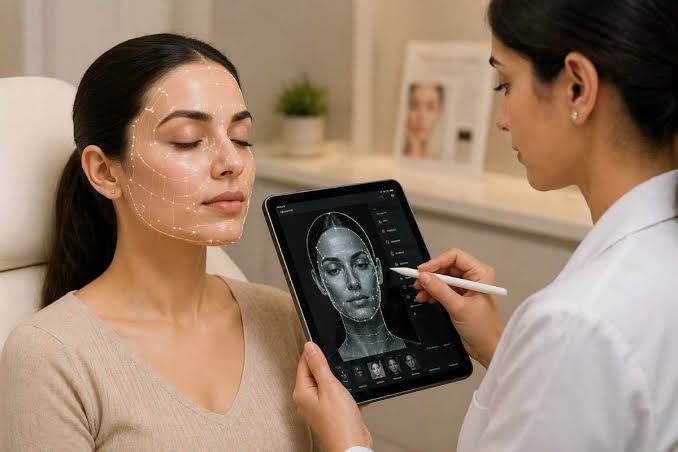
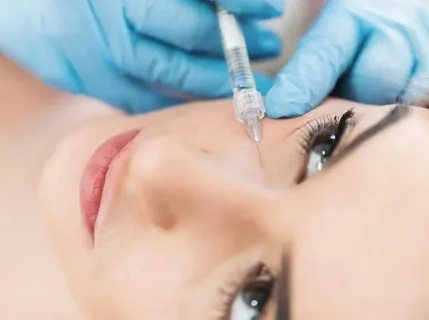
The term "8 point facelift" describes a procedure that restores facial support by treating eight anatomical sites—commonly including the cheeks, nasolabial and marionette regions, preauricular areas, and chin. Techniques vary: many clinicians combine hyaluronic acid injections, biocompatible volumizers, and minimally invasive suturing or anchoring methods to lift and recontour the midface and lower face. The goal is natural-looking improvement with reduced downtime compared with traditional surgical facelifts.
How the technique works
Targeted anatomical sites
Treatment focuses on renewation of deep structural support and superficial soft tissue. The eight points usually correspond to deep fat pads and ligamentous attachments that, when restored or repositioned, recreate youthful proportions and smooth nasolabial and jowl lines.
Common methods
Approaches include volumizing with fillers to replace lost deep fat, use of longer-lasting fillers for structural support, and thread or suture lift techniques to reposition tissue. Choice of method depends on patient anatomy, degree of laxity, and clinician expertise.
Potential benefits and realistic outcomes
Benefits reported in peer-reviewed literature and clinical practice include improved midface fullness, softened nasolabial folds, reduced jowling, and a subtly lifted lower face. Results are generally more conservative than a full rhytidectomy but can look natural and harmonious when performed by an experienced practitioner.
Who may be a suitable candidate
General candidacy
Suitable candidates often have early to moderate facial sagging and volume loss, good overall health, and reasonable expectations. Individuals with significant excess skin or advanced laxity may require traditional surgical options. A pre-procedure assessment should include medical history, skin quality evaluation, and photographic analysis.
Consultation and second opinions
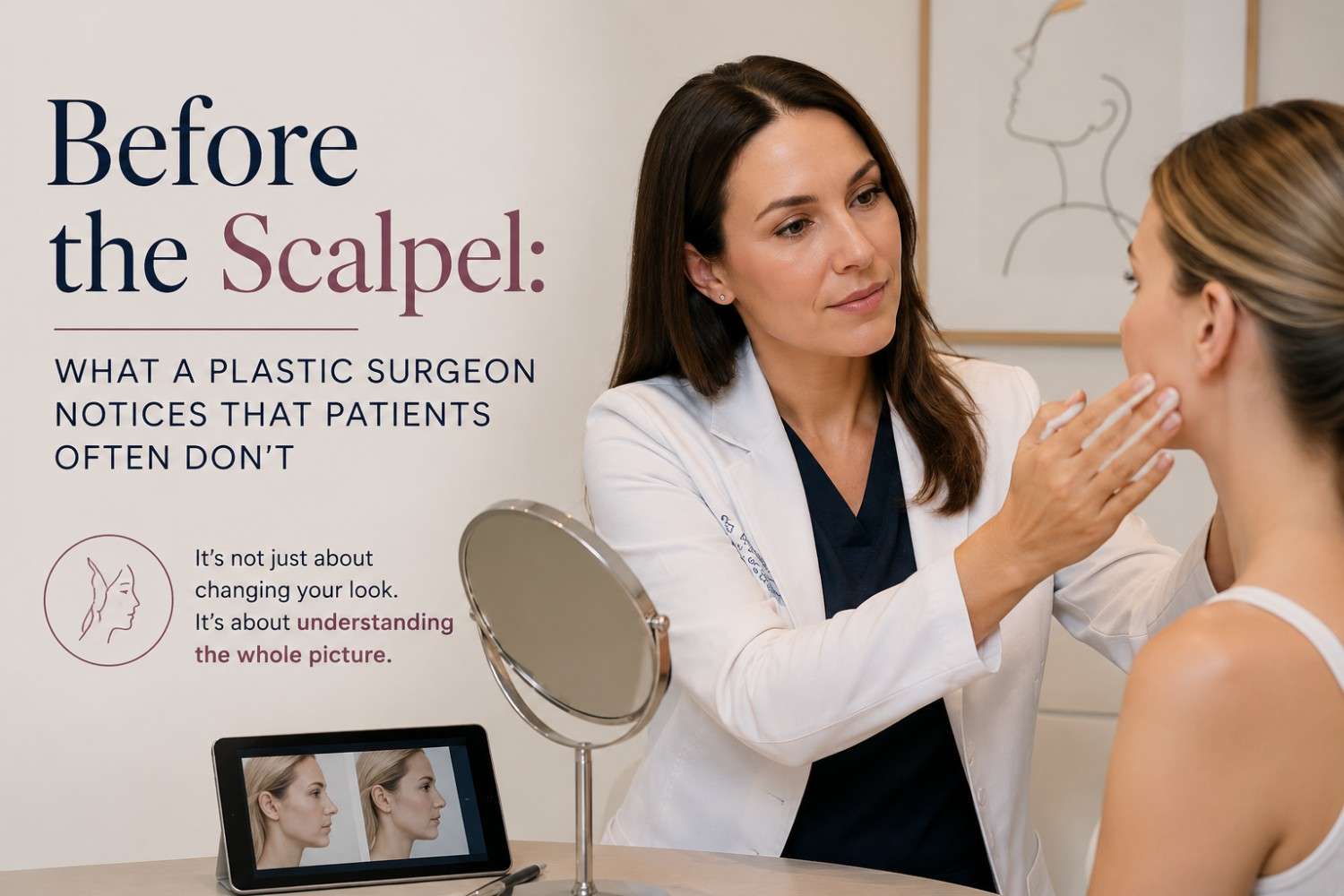
A face-to-face consultation with a board-certified plastic surgeon or an appropriately credentialed facial aesthetic specialist is a recommended step. Discussion topics should include technique options, expected longevity of results, and a clear plan for follow-up care.
Procedure, recovery, and aftercare
Typical procedure timeline
Many 8 point procedures are performed in an outpatient setting under local anesthesia with or without light sedation. Treatment times vary but often take 30–90 minutes depending on the combination of injections and suture techniques used.
Recovery expectations
Common short-term effects include swelling, bruising, and mild discomfort. Most patients return to basic activities within a few days, while strenuous exercise and facial massages are generally postponed for one to two weeks. Final contour settling may take several weeks as swelling resolves and tissues adapt.
Risks, complications, and safety considerations
Potential complications include asymmetry, prolonged swelling, nodules or lumps from fillers, infection, and rare vascular events with injectable treatments. Risk mitigation includes choosing appropriate products, using correct injection planes, and adherence to sterile technique. Ask about emergency plans and complication management before any procedure.
Choosing a provider and understanding regulation
Providers should hold relevant clinical credentials and local licensure. In Abu Dhabi, regulatory oversight and licensing help protect patients; verification of practitioner credentials and clinic accreditation is advised. For information on licensing and healthcare facility standards in Abu Dhabi, consult the Department of Health – Abu Dhabi website at https://www.doh.gov.ae/.
Costs and alternative options
Costs vary by technique, product type, provider experience, and clinic setting. Pricing can range widely; a detailed cost breakdown and information about what is included (consultations, follow-up, revision policy) should be requested in writing. Non-surgical alternatives include targeted skin tightening, laser resurfacing, and combination approaches that may complement or replace 8 point treatments depending on goals.
Evidence and professional guidance
Clinical publications in aesthetic surgery and dermatology journals evaluate the safety and outcomes of volumizing and thread-lift approaches. Professional societies and peer-reviewed studies provide guidance on techniques, complication management, and product profiles. Patients are encouraged to ask about published outcomes and experience relevant to the chosen technique.
Frequently asked questions
What is an 8 point facelift in Abu Dhabi?
An 8 point facelift in Abu Dhabi refers to a minimally invasive facial rejuvenation approach that treats eight strategic support points to restore volume and lift. It commonly uses injectable fillers and/or suture techniques to improve midface volume, nasolabial folds, and lower-face contours with shorter recovery than a traditional surgical facelift.
How long do results typically last?
Longevity depends on the materials and techniques used: temporary fillers may last 6–18 months, while longer-lasting products and suture lifts can provide results for 1–3 years or more. Individual metabolism, age, and lifestyle also affect duration.
Is the procedure painful?
Procedures are usually performed with local anesthetic; discomfort is generally mild and transient. Specific pain control measures and sedation options should be discussed with the clinician during consultation.
What should be checked before booking a treatment?
Verify clinician credentials and clinic licensure, review before-and-after photos from the provider, ask about complication management, and obtain a written treatment plan and cost estimate. Consider a second opinion if uncertain.
When is surgical facelift preferred over an 8 point approach?
Surgical facelift is usually recommended for advanced skin laxity, significant jowling, and extensive neck changes. The 8 point approach suits earlier stages of aging and patients seeking less invasive options with shorter recovery.