Complete Guide to Hair Restoration Options in Dubai: Surgical and Non-Surgical Solutions
-
- February 26th, 2026
- 668 views

Get a free topical map and start building content authority today.
Choosing a hair solution requires clear information about procedures, downtime, costs, and realistic outcomes. This guide explains the most common frontline approaches to hair restoration Dubai patients evaluate, from surgical transplants to non-surgical systems and adjunct therapies.
- Primary options: surgical transplants (FUE, FUT), medical therapies (minoxidil, finasteride, PRP), scalp micropigmentation, and custom hair systems.
- Key trade-offs: permanence vs. cost, naturalness vs. maintenance, downtime vs. speed of visible results.
- Use the HAIR Decision Checklist (Health, Assessment, Investment, Recovery) before booking a clinic.
Detected intent: Commercial Investigation
hair restoration Dubai: what frontline options are available
The term hair restoration Dubai covers a spectrum of treatments: surgical hair transplants (FUE, FUT), non-surgical hair replacement systems, medical and biologic treatments (topical and oral medications, PRP), and cosmetic solutions like scalp micropigmentation. Each option serves different causes of hair loss, budgets, and lifestyle needs.
Primary categories and how they differ
Surgical: FUE and FUT (hair transplant)
Follicular Unit Extraction (FUE) removes individual grafts; Follicular Unit Transplantation (FUT) harvests a strip. Benefits include long-term, natural hair growth when performed by an experienced surgeon. Considerations: surgical time, healing period, and per-graft cost. Dubai clinics typically follow international standards; check registration with Dubai Health Authority and training recognized by bodies such as the International Society of Hair Restoration Surgery.
Medical and biologic therapies
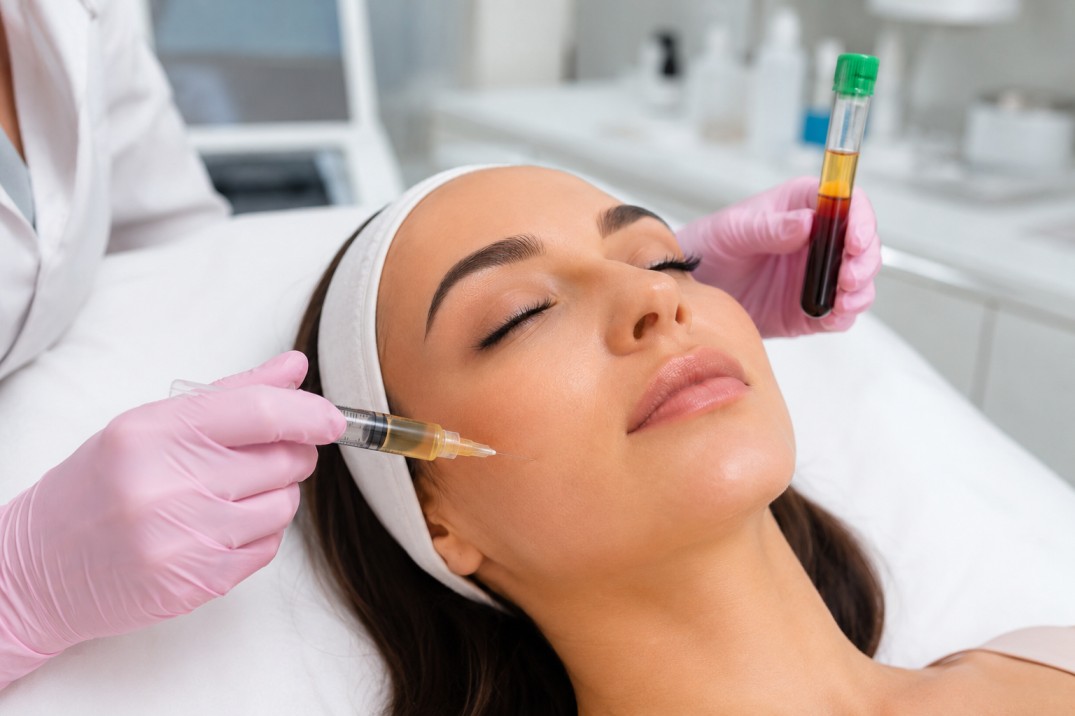
Topical minoxidil and oral finasteride remain first-line treatments for androgenic hair loss. Platelet-rich plasma (PRP) injections are used as an adjunct to stimulate follicle health. These treatments require ongoing maintenance and offer partial arrest or improvement rather than guaranteed full restoration.
Non-surgical hair replacement and hair systems
Custom hair systems (removable or bonded) provide immediate coverage with low downtime. They range in realism and maintenance requirements. Non-surgical options are often cost-effective short- to medium-term solutions for those not ready for surgery.
Cosmetic approaches: SMP and concealers
Scalp micropigmentation (SMP) creates the illusion of density via pigment dots; cosmetic concealers and styling techniques serve as temporary coverage. SMP can be an effective complement to surgical or non-surgical approaches.
HAIR Decision Checklist (framework)
A practical framework called the HAIR Decision Checklist helps structure choices before booking:
- Health: medical review and scalp blood tests to rule out treatable causes.
- Assessment: diagnosis of hair loss type (androgenic, alopecia areata, telogen effluvium).
- Investment: realistic budget including follow-up, medications, and maintenance.
- Recovery: acceptable downtime and post-care capacity at home or work.
Real-world example
Case scenario: Ahmed, age 35, experienced gradual thinning at the hairline and crown. After blood tests and a scalp assessment, Ahmed chose a combined approach: a targeted FUE transplant for the hairline, plus monthly PRP for six months and daily topical minoxidil. The combined plan reduced overall graft needs and improved donor hair health—trade-offs included higher upfront cost and six weeks of light activity restrictions.
Practical tips for choosing a clinic in Dubai
- Verify clinic licensing with Dubai Health Authority and surgeon credentials (look for ISHRS or similar training).
- Request high-quality before/after galleries with patients of similar hair type and match appointment notes to outcomes.
- Ask for a written treatment plan: expected graft count, projected growth timeline, and contingency for revisions.
- Confirm all costs and what follow-up or medications are included to avoid surprise fees.
Common mistakes and trade-offs
Common mistakes
- Choosing solely on price—very low-cost offers can mean inexperienced teams or poor donor harvesting.
- Skipping a medical workup—treatable causes like thyroid disease or iron deficiency may be missed without testing.
- Unrealistic expectations—many patients expect immediate full density after surgery.
Typical trade-offs
- Permenance vs. flexibility: surgical transplants are permanent but require recovery; hair systems are reversible but need maintenance.
- Cost vs. speed: non-surgical systems give instant results; surgical routes take months to show final outcomes.
- Naturalness vs. price: higher-quality grafting and custom systems cost more but improve natural appearance.
Core cluster questions
- What are the main types of hair restoration available in Dubai?
- How do surgical hair transplants compare to non-surgical hair replacement?
- What recovery timeline should be expected after FUE or FUT?
- How do ongoing medical therapies like minoxidil and finasteride fit with surgical plans?
- What should be included in a clinic assessment and cost estimate?
Additional practical tips
- Bring hairline photos from earlier years to consultation to clarify goals and realistic density expectations.
- Request referrals or speak with past patients when possible to learn about aftercare and long-term satisfaction.
- Factor holiday and work schedules into timing—surgical procedures often need 1–2 weeks of lighter activity and delayed sun exposure on the scalp.
Choosing what’s right for personal needs
Deciding between surgical and non-surgical options depends on age, pattern and cause of hair loss, donor hair quality, budget, and readiness for recovery. Use the HAIR Decision Checklist and seek a formal assessment before committing to any irreversible procedure.
Cost and follow-up considerations
Costs in Dubai vary widely by clinic, surgeon experience, graft count, and chosen technology. Expect to budget for consultations, medications, follow-up visits, and potential touch-ups. Non-surgical systems have recurring maintenance costs; medical therapies require long-term adherence.
References and standards
Seek clinics that follow local health authority rules (Dubai Health Authority) and international best practices such as guidelines from the International Society of Hair Restoration Surgery (ISHRS).
FAQ
What is hair restoration Dubai and which option suits me?
Hair restoration Dubai describes surgical and non-surgical treatments available locally. Suitability depends on diagnosis (type and stage of hair loss), medical history, budget, and lifestyle. A clinic assessment that includes blood tests and scalp evaluation will determine the best route.
How long does it take to see results after a hair transplant?
Initial shedding occurs in the first month; visible regrowth typically begins around 3–4 months and final density is often reached by 9–12 months. Individual healing rates vary.
Are non-surgical hair systems a good alternative to transplant surgery?
Hair systems provide immediate cosmetic coverage with minimal downtime and are a valid alternative for those not ready for surgery. They require ongoing maintenance and proper fitting to look natural.
Is platelet-rich plasma (PRP) effective for hair loss?
PRP can improve hair thickness and support follicle health when used as an adjunct, especially in early-stage loss. It is generally not a standalone cure for advanced pattern baldness.
How to verify clinic credentials and safety in Dubai?
Confirm clinic licensing with Dubai Health Authority, check surgeon training and affiliations (such as ISHRS), request a documented treatment plan, and review patient outcomes for similar cases.