Abu Dhabi Liposuction Results: Expected Fat and Weight Loss
-

- February 23rd, 2026
- 1,304 views
Liposuction Abu Dhabi is a commonly requested cosmetic procedure for removing localized fat deposits. This article explains how liposuction reduces fat volume, the realistic limits on weight loss, typical recovery timelines, potential risks, and how local regulation affects outcomes.
- Liposuction removes fat cells from targeted areas but is not a primary method for large-scale weight loss.
- Typical removal is measured in liters of fat, not kilograms of bodyweight; most cases reduce a few kilograms at most.
- Recovery varies; swelling can mask final results for several weeks to months.
- Regulation, surgeon experience, and patient health strongly influence safety and results.
Liposuction Abu Dhabi: Typical Fat and Weight Loss
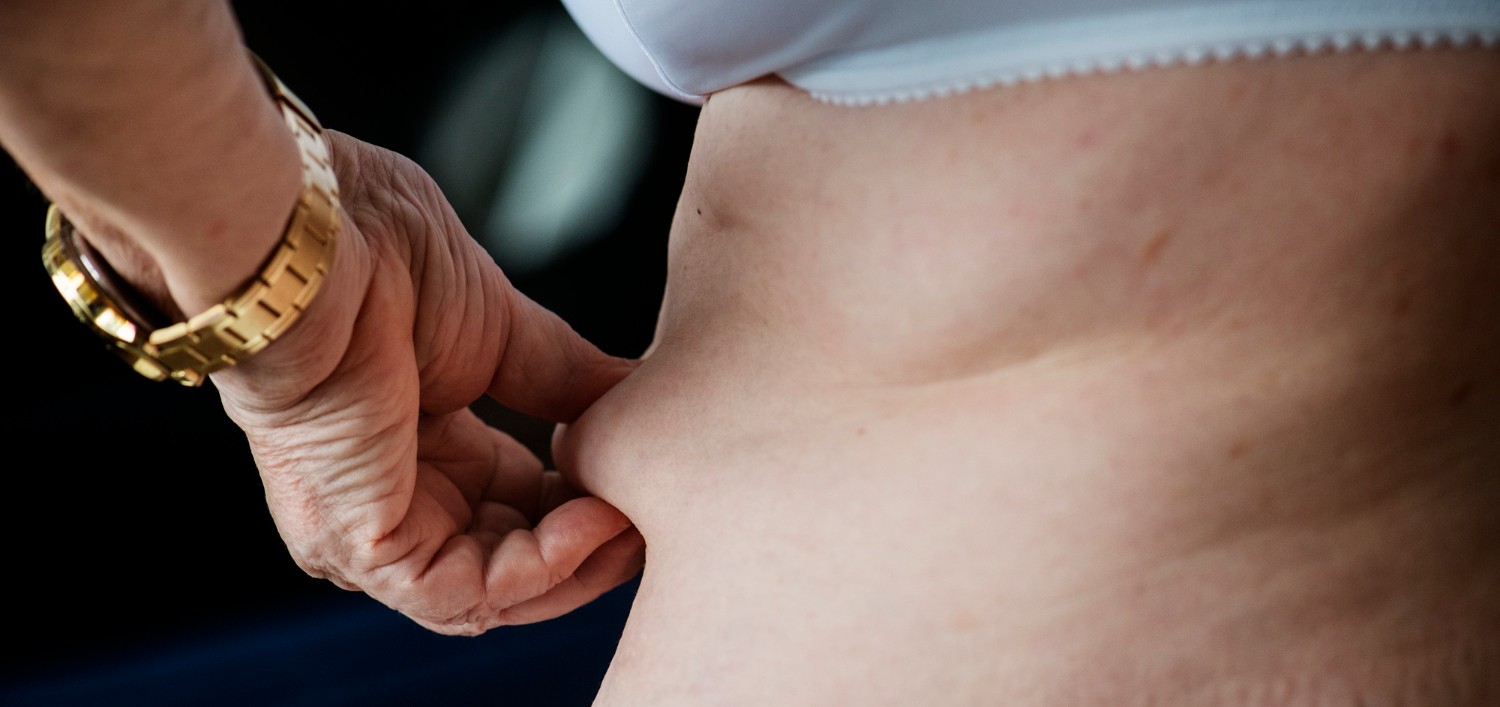
Liposuction targets subcutaneous fat in specific areas such as the abdomen, flanks, thighs, or arms. Results are often described in terms of volume (milliliters or liters of fat) rather than pounds. In practice, most surgical liposuction procedures remove between 1 and 5 liters of fat; that corresponds roughly to 1–5 kilograms of tissue immediately removed, although net bodyweight change shortly after surgery may be less because of fluid shifts and swelling.
How Liposuction Works and What It Removes
Mechanism of action
Liposuction physically suctions fat cells from the subcutaneous layer beneath the skin. The procedure does not remove visceral fat (the fat around internal organs), and it does not cause generalized weight loss. The reduction in local fat volume can change body contours and clothing fit, but total body mass may change only modestly.
Clinical limits on removal volume
Surgeons commonly follow safety guidelines that limit the amount of fat removed during a single session. Removing large volumes increases risk of complications such as fluid imbalance and blood loss. These limits influence how much weight can be lost in one procedure and may require staged procedures for extensive contouring.
Recovery Timeline and When Results Appear
Immediate postoperative period
Following liposuction, patients typically experience swelling, bruising, and some fluid retention. Initial changes in shape are visible quickly, but the final contour often becomes apparent over weeks to months as swelling subsides. Compression garments are frequently used to reduce swelling and support tissue settling.
Longer-term results
Fat cell removal is permanent in treated areas, but remaining fat cells can enlarge if weight is gained after the procedure. Long-term outcomes depend on lifestyle factors such as diet, physical activity, and weight maintenance habits.
Safety, Risks, and Local Regulation
Common risks
Risks include infection, contour irregularities, numbness, fluid accumulation, and, rarely, more serious complications. Preoperative health assessment, appropriate anesthesia, sterile technique, and postoperative follow-up reduce the likelihood of adverse events.
Regulation and standards in Abu Dhabi
Health authorities in Abu Dhabi set licensing and facility standards for surgical procedures. Patients should verify that surgeons are licensed and that clinics comply with local regulations and safety protocols. For official guidance and licensing information, refer to the Department of Health – Abu Dhabi.
Choosing a Clinic and Setting Realistic Expectations
Factors that influence results
- Patient factors: body mass index (BMI), skin elasticity, and distribution of fat affect achievable contouring.
- Technique: different liposuction methods (traditional suction-assisted, tumescent, ultrasound-assisted, power-assisted) have varying profiles but all remove subcutaneous fat.
- Surgeon experience and facility standards influence safety and aesthetic outcomes.
Realistic outcome goals
Expect cosmetic contour improvement rather than dramatic total-body weight loss. For many patients, liposuction improves proportions and helps with stubborn areas that do not respond to diet and exercise, but it should be considered part of a broader weight-management plan when applicable.
Cost Considerations and Follow-up
Costs vary according to the extent of treatment, anesthesia, facility fees, and the need for staged procedures. Follow-up care can include wound checks, management of swelling, and guidance on activity resumption. Local health authorities often provide consumer information about patient rights and clinic accreditation.
How much weight can be lost with Liposuction Abu Dhabi?
Most single-session liposuction procedures remove a few liters of fat, equating to roughly 1–5 kilograms (2–11 pounds) of tissue, though immediate net bodyweight change may be lower due to fluid shifts. For larger volume reduction, staged procedures are sometimes used. Individual outcomes vary based on the factors described above.
Is liposuction a substitute for diet and exercise?
Liposuction is not a treatment for generalized obesity. It is intended to sculpt localized fat deposits. Sustainable weight management typically relies on lifestyle measures such as balanced nutrition and physical activity; liposuction may complement these approaches for contour improvement.
What are common complications to watch for after liposuction?
Watch for increasing pain, fever, drainage, or signs of infection. Persistent contour irregularities or prolonged numbness should be discussed at follow-up visits. Prompt communication with the surgical team is important if concerns arise.
How long before normal activities can resume?
Many patients resume light daily activities within a few days but should avoid strenuous exercise for several weeks or until cleared by the treating clinician. Compression garments and gradual return to activity help support recovery.
Where to find additional authoritative information?
Official health authorities and licensed medical bodies provide guidance on surgical safety standards and patient rights. The Department of Health – Abu Dhabi offers local regulatory and licensing information relevant to cosmetic surgery in the emirate.