Jawline Treatments Guide: How to Get a Sharper, Natural-Looking Jawline
-

- March 16th, 2026
- 659 views
How to Choose Jawline Treatments: Surgical and Non-surgical Options
Jawline treatments include a wide range of surgical and non-surgical procedures used to define or reshape the lower face. This guide explains the common options, realistic results, recovery timelines, and how to pick a safe, effective path that matches goals and lifestyle.
- What: jawline treatments range from fillers, Botox, and threads to liposuction, implants, and orthognathic surgery.
- Who they suit: short downtime needs (non-surgical) vs permanent structural changes (surgery).
- Key decision factors: desired permanence, budget, recovery time, and facial anatomy.
- Detected intent: Informational
Types of jawline treatments
The main categories are non-surgical contouring, minimally invasive procedures, and surgical reconstruction. Each category addresses different causes of an undefined jawline: fat pad volume, weak chin projection, excess skin, or bony structure.
Non-surgical jawline contouring (temporary, low downtime)
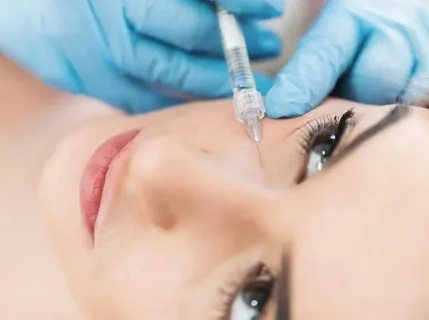
Options include dermal fillers, masseter Botox for slimming, injectable fat-dissolving treatments (eg. deoxycholic acid), and PDO threads. These treatments are usually performed in-office, require minimal recovery, and are best for volume reshaping or mild lifting. "Non-surgical jawline contouring" is a common search for people who want quick results without general anesthesia.
Minimally invasive procedures
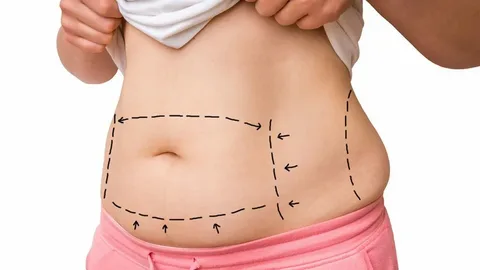
Includes liposuction to remove submental or jowl fat, buccal fat reduction for midface slimming, and deeper thread lifts. Recovery is moderate (several days to weeks), and results last longer than injectables.
Surgical options (permanent structural change)
Surgical treatments include chin implants, mandibular implants, jaw osteotomy or orthognathic surgery and skin excision for sagging. These are appropriate when bone structure or excess skin require correction. Recovery ranges from 2–6 weeks with full remodeling over months. For data on surgical risks and recovery expectations, see the American Society of Plastic Surgeons" target="_blank" rel="nofollow">American Society of Plastic Surgeons.
Decision framework: the JAWLINE Checklist
Use this named checklist to match goals and treatment type before consulting a clinician.
- J — Judge goals: natural refinement vs transformative change
- A — Anatomy review: fat, skin laxity, bone projection
- W — Willingness for downtime: none, moderate, or extended
- L — Longevity: temporary (months) vs permanent
- I — Insurance/Cost: elective budgets and financing
- N — Non-surgical first? Try injectables for reversible preview
- E — Expert selection: board-certified surgeon or dermatologist
Real-world example
Case: A 42-year-old patient wants a more defined jawline without major surgery. Assessment shows mild jowling and loss of jawline definition with reasonable chin projection. Recommended pathway: start with targeted dermal fillers for mandibular angle and chin, plus masseter Botox to slim lower face. If results are satisfactory but more lift is needed later, consider thread lift or limited liposuction. This staged approach balances cost, risk, and reversibility.
Practical tips for choosing a treatment
Actionable points
- Ask for standardized before-and-after photos and patient satisfaction data from the treating clinician.
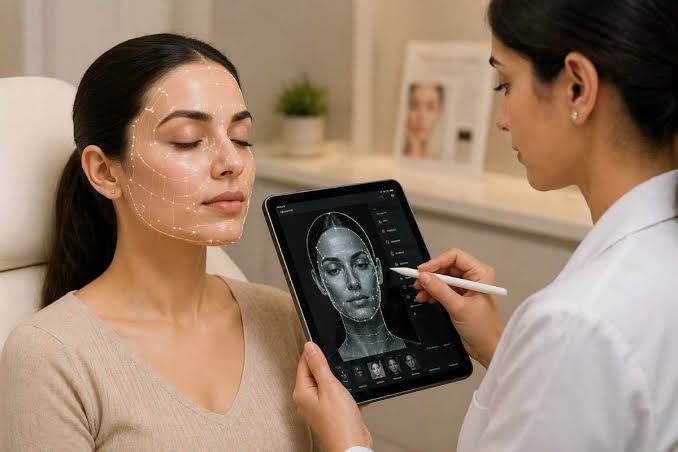
- Request an anatomy-focused consultation that discusses bone, fat, and skin — not just one recommended procedure.
- Start with reversible treatments where possible to preview long-term surgical options.
- Plan recovery: schedule around social/work commitments and follow post-procedure instructions precisely.
- Verify credentials: board certification and facility accreditation reduce complication risk.
Trade-offs and common mistakes
Trade-offs
Non-surgical options: lower cost and downtime but temporary and can require repeated maintenance. Surgical options: higher upfront cost and longer recovery, but predictable, lasting change. Minimally invasive options sit between these extremes.
Common mistakes
- Choosing a single procedure without assessing overall facial harmony.
- Prioritizing lowest cost over clinician experience and safety standards.
- Expecting surgical results from injectables — unrealistic expectations cause dissatisfaction.
Core cluster questions
- What are the differences between dermal fillers and chin implants for jaw definition?
- How long do non-surgical jawline treatments typically last?
- When is masseter Botox appropriate versus surgical jaw reduction?
- What is the recovery timeline for jawline liposuction and thread lifts?
- How does facial anatomy influence the choice of jawline enhancement?
Recovery and safety considerations
Follow-up care, infection prevention, and realistic timelines depend on the chosen procedure. Non-surgical treatments may have minor swelling for 24–72 hours; surgical procedures require wound care and activity restrictions. Discuss anesthesia risks, scarring, and contingency plans for complications during consultation.
Cost and longevity overview
Prices vary widely by geography and provider. Expect injectables to be the most affordable per session but recurring; surgeries carry higher one-time costs with longer-lasting results. Financing and staged planning are valid options to manage cost vs. outcome.
Final checklist before booking
- Clear goals and documented photos
- Second opinion for surgical options
- Understanding of recovery timeline and total cost
- Verified credentials and facility accreditation
FAQ
What are common jawline treatments and how do they differ?
Common jawline treatments include dermal fillers, Botox, PDO threads, liposuction, chin/jaw implants, and orthognathic surgery. They differ by invasiveness, permanence, recovery time, and the anatomical issue they address (fat vs skin vs bone).
How long do jawline treatments last?
Temporary options like fillers and Botox last months to a year. Threads and minimally invasive lifts can last 1–3 years. Surgical solutions are intended to be permanent but may change with aging.
Are non-surgical jawline contouring options effective?
Yes for mild-to-moderate reshaping, especially when the primary issue is volume or soft-tissue laxity. For structural skeletal differences, surgery is more effective.
Which jawline treatments have the shortest recovery?
Injectables and Botox have the shortest recovery (hours to a few days). Threads and minor liposuction require several days to a few weeks; full surgical recovery takes longer.
How to pick the right clinician for jawline treatments?
Choose a licensed, board-certified provider with experience in the specific procedure, verified before-and-after photos, and transparent complication management. Confirm the procedure is performed in an accredited facility.