Can Acne Scars Be Reduced? A Clinical Perspective on Modern Treatments in Dubai
-

- September 08th, 2026
- 4,473 views
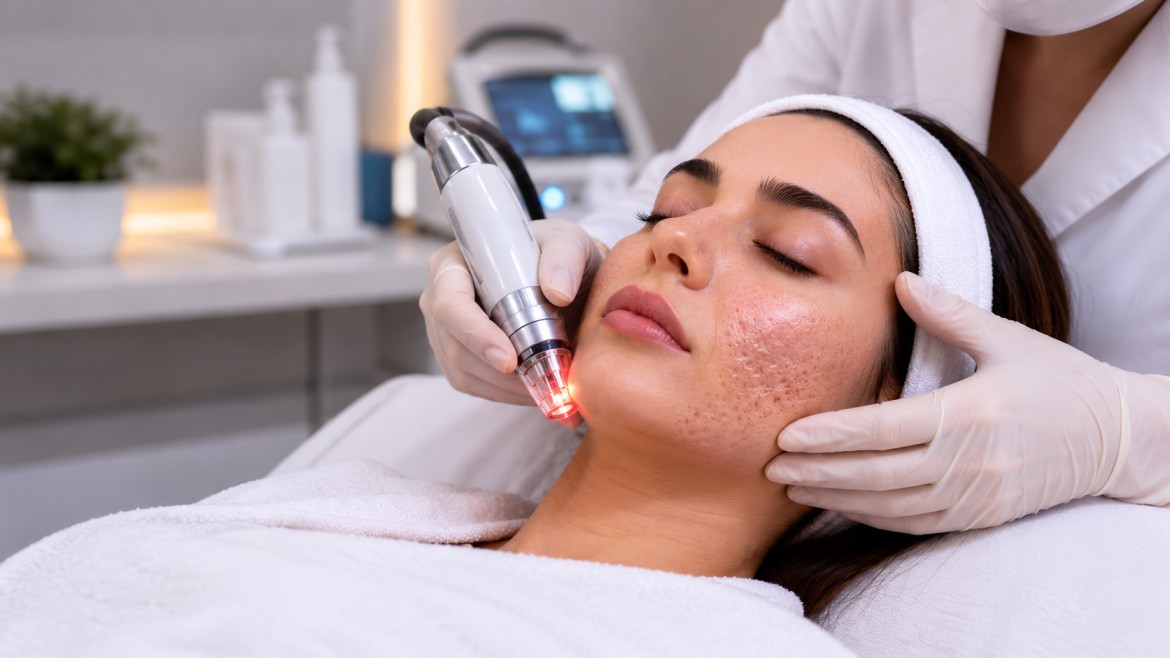
Acne scars are one of the most persistent concerns patients bring to dermatology clinics, often long after active acne has settled. In many cases, the breakouts themselves are temporary, but the textural changes they leave behind can remain for years.
In Dubai, this concern is especially common. High sun exposure, frequent pigmentation issues, and a strong demand for minimally invasive aesthetic solutions mean patients are increasingly looking for treatments that improve skin quality without extended downtime.
The encouraging reality is that acne scars can be significantly improved. However, the outcome depends less on a single procedure and more on how precisely the treatment plan is matched to the individual’s skin and scar pattern.
Why Acne Scars Persist After Healing
From a clinical standpoint, acne scarring is not simply “damage that didn’t heal properly.” It is the result of an imbalance in the skin’s repair process following inflammation.
When acne lesions extend deeper into the dermis, the body attempts to rebuild the area using collagen. The problem is that this repair process is often inconsistent—either too little collagen is produced, or the collagen is laid down in a disorganized way.
This leads to two broad outcomes:
Depressed scars when tissue support is insufficient
Raised scars when repair activity becomes excessive
In many patients, an additional concern appears: post-inflammatory pigmentation, where discoloration remains even after the skin surface has healed.
Several factors influence how likely scarring is to occur:
The intensity and duration of inflammatory acne
Genetic tendency toward scar formation or pigmentation
Skin type and melanin activity (particularly relevant in Middle Eastern and South Asian skin profiles)
Delay in treating active acne lesions
Understanding these variables is essential before deciding on any corrective treatment.
Understanding Acne Scar Types (Why Classification Matters)
Not all acne scars respond to the same treatment, which is why classification is a critical first step in any clinical assessment.
In practice, we usually categorize scars into four main groups:
Ice pick scars – narrow, deep indentations that extend vertically into the skin
Boxcar scars – wider depressions with defined edges
Rolling scars – shallow wave-like irregularities caused by tethering beneath the skin
Hypertrophic or keloid scars – raised lesions due to excess collagen activity
Alongside these, post-inflammatory hyperpigmentation (PIH) is frequently seen, especially in skin types more prone to melanin response.
Each category behaves differently under treatment, which is why “one procedure for all scars” rarely delivers optimal results.
Modern Non-Surgical Acne Scar Treatments Used in Dubai
Most effective acne scar management plans today are combination-based. Instead of relying on a single technique, dermatologists typically layer treatments that target different aspects of scarring—texture, depth, and pigmentation.
1. Microneedling (Collagen Induction Therapy)
Microneedling works by creating controlled micro-injuries in the skin, triggering a natural repair response. Over time, this stimulates new collagen formation and gradually improves skin texture.
It tends to work best for:
Rolling scars
Mild boxcar scars
Early textural irregularities
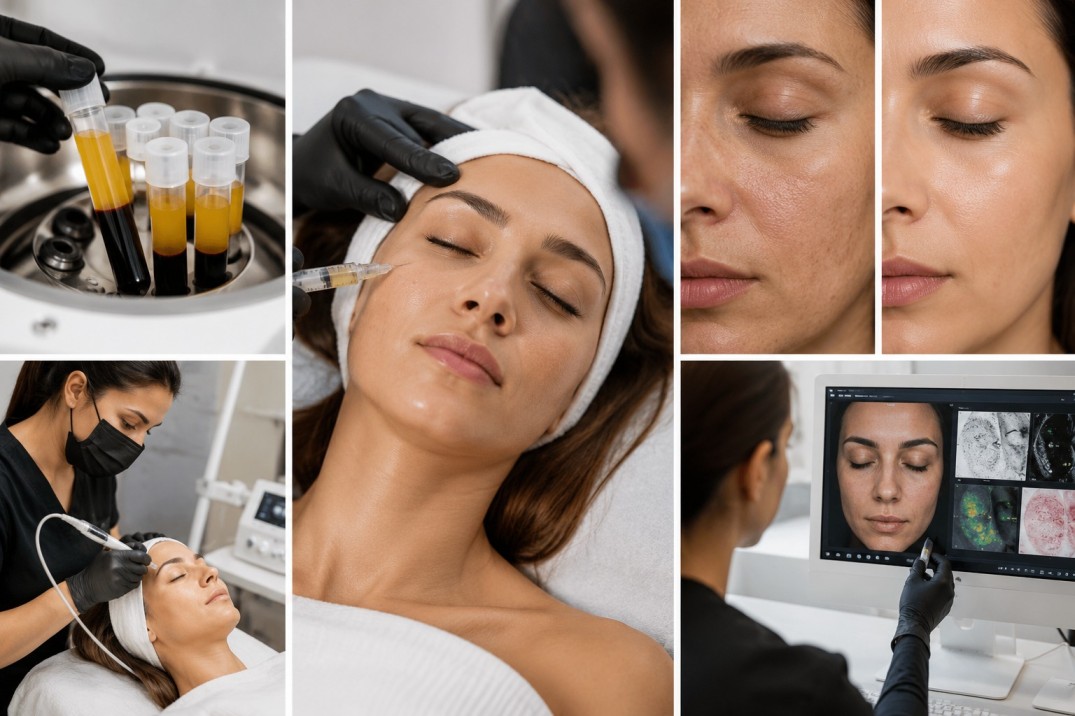
In clinical practice, it is often combined with growth factors or platelet-rich plasma to enhance the healing response.
2. Radiofrequency Microneedling
This is an advanced version of traditional microneedling where energy is delivered into deeper dermal layers.
The addition of radiofrequency heat allows for:
Stronger collagen remodeling
Better improvement in deeper atrophic scars
Reduced surface downtime compared to ablative lasers
For many patients in Dubai, this has become a preferred option due to its balance between efficacy and recovery time.
3. Fractional Laser Resurfacing
Fractional lasers create microscopic zones of controlled thermal injury, encouraging the skin to rebuild itself in a structured way.
There are two main types:
Non-ablative lasers – gentler, with shorter recovery but gradual results
Ablative lasers (e.g., CO2) – more intensive, offering stronger correction but requiring longer downtime
Choice of laser depends heavily on skin sensitivity, scar depth, and pigmentation risk.
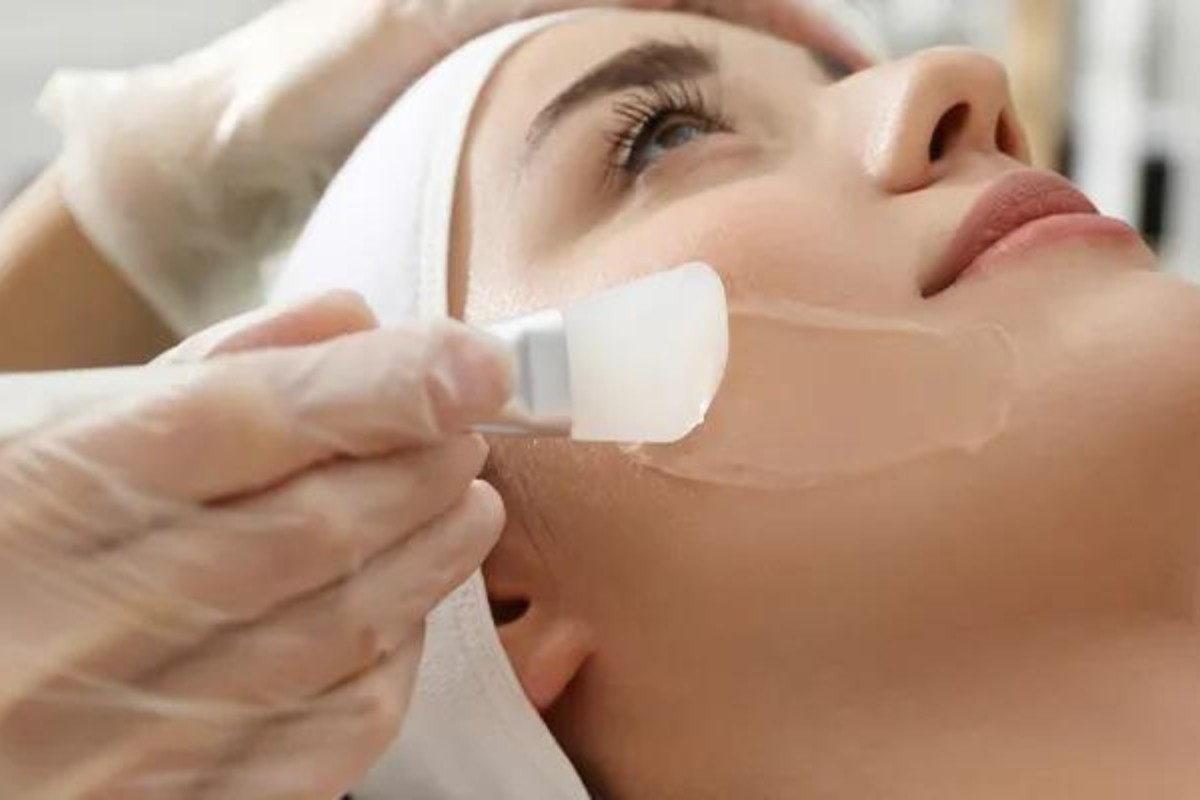
4. Chemical Peels
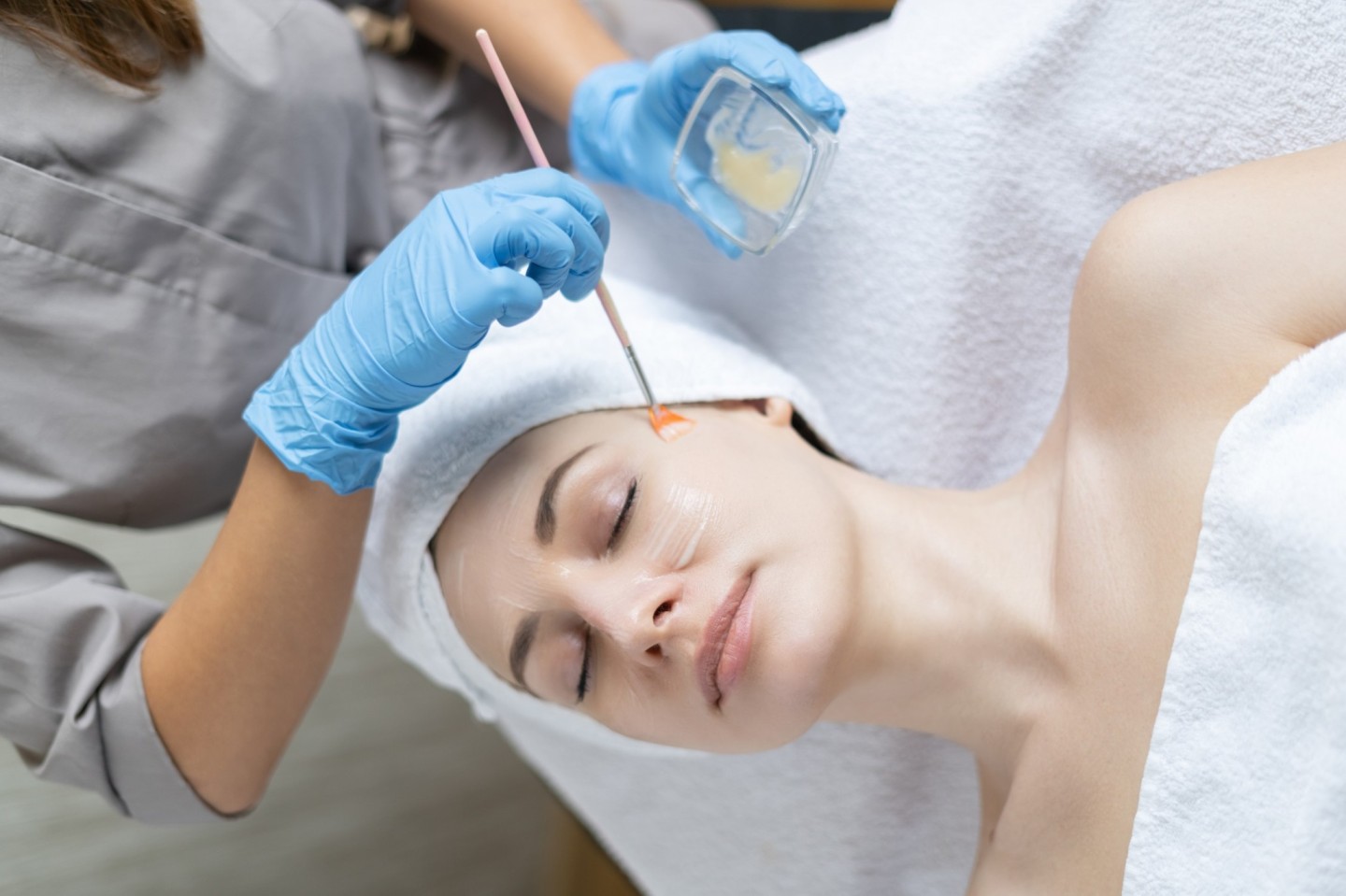
Medium-depth peels, particularly those based on trichloroacetic acid (TCA), can improve surface irregularities and pigmentation.
However, peels alone rarely address deeper structural scarring. They are more effective when integrated into a broader treatment plan.
5. Subcision
Subcision is one of the most mechanically important procedures for scar correction.
Using a fine needle, fibrous bands beneath the skin are released, allowing depressed scars—especially rolling scars—to lift naturally.
In many cases, subcision is combined with fillers or regenerative therapies to stabilize the improvement.
6. Dermal Fillers
Hyaluronic acid fillers can provide immediate correction for selected depressed scars, particularly boxcar types.
While not permanent, they are useful for:
Instant improvement in skin contour
Supporting results after subcision
Refining residual volume defects
7. Topical Therapy (Supportive Role Only)
Topical agents do not correct established scarring, but they play an important supporting role in improving skin quality and pigmentation control.
Commonly used ingredients include:
Retinoids (for cell turnover regulation)
Azelaic acid (for pigmentation and inflammation control)
Vitamin C (for antioxidant support)
Hydroquinone (used selectively for PIH under supervision)
Why Combination Treatment Works Best
Acne scarring is rarely a single-layer problem. Some scars are tethered beneath the skin, others are purely textural, and many are complicated by pigmentation.
For this reason, treatment planning is usually staged:
Structural release (subcision) if needed
Collagen stimulation (microneedling or RF)
Surface refinement (laser or peels)
Volume correction (fillers where appropriate)
The sequencing is as important as the procedures themselves. Poorly timed combinations can reduce effectiveness or increase downtime.
In practice, rolling scars respond inconsistently depending on the depth of dermal tethering, which is why subcision outcomes vary between patients.
We typically avoid aggressive ablative lasers in patients with active pigmentation risk until dermal remodeling is stabilized.
What Results Realistically Look Like
One of the most important parts of scar management is expectation setting.
In most clinical cases:
Mild scarring shows visible improvement after 2–3 sessions
Moderate to severe scarring requires multiple stages over several months
Complete elimination of scars is uncommon, but significant softening and blending is achievable
Improvements are gradual rather than immediate, as collagen remodeling continues for weeks after each session.
Safety Considerations and Skin-Specific Planning
Acne scar treatments are generally safe when properly tailored, but skin type plays a major role in treatment selection—especially in higher pigmentation skin profiles common in Dubai.
Key considerations include:
Risk of post-inflammatory pigmentation
Sensitivity to heat-based procedures
Proper spacing between sessions
Strict sun protection after treatment
A patch test or test spot is sometimes recommended before more aggressive procedures.
Aftercare: Where Most Results Are Actually Determined
Post-treatment care has a direct impact on final outcomes. Even well-performed procedures can underperform if aftercare is neglected.
Essential guidelines include:
Gentle cleansing without active exfoliation
Daily broad-spectrum sunscreen use
Avoiding heat exposure and heavy workouts immediately after treatment
Using prescribed skin-repair products consistently
The healing phase is not passive—it is part of the treatment itself.
Frequently Asked Questions
Q1. How many sessions are usually required?
Most patients require multiple sessions. Superficial concerns may improve within 2–3 treatments, while deeper scars typically require 4–6 sessions or more.
Q2. Can acne scars be completely removed?
Complete removal is rarely achievable. The realistic goal is visible softening, improved texture, and better overall skin uniformity.
Q3. Which treatments are safest for darker skin types?
Non-ablative options such as radiofrequency microneedling and carefully selected peels are generally preferred due to a lower risk of pigmentation complications.
Q4. Is downtime required?
Downtime varies. Microneedling may involve 1–2 days of redness, while ablative lasers can require significantly longer recovery.
Q5. Do scars return after treatment?
Treated scars do not return in their original form, but new acne can create fresh scarring if breakouts are not controlled.
Conclusion
Acne scar improvement is best viewed as a structured rebuilding process rather than a single corrective procedure. In Dubai, where skin type diversity and environmental exposure both influence outcomes, the most effective results come from carefully staged combination treatments.
When properly planned, modern non-surgical techniques can significantly refine skin texture, reduce depth irregularities, and restore a more even complexion—without the need for invasive surgical intervention.