Aloe Vera Gel for Skin: Benefits, Uses and Possible Side Effects
-

- September 01st, 2026
- 4,519 views
Aloe vera gel is one of the most commonly used natural skincare ingredients in Indian homes. Its lightweight, cooling texture makes it suitable for hot weather, humid days and moments when the skin feels dry, tired or uncomfortable.
Many people use aloe vera gel as a daily hydrator, after-sun gel, makeup-preparation product or soothing step after shaving and waxing. It absorbs quickly and usually feels lighter than thick creams, making it especially popular among people with oily and combination skin.
However, natural ingredients do not suit everyone. Aloe vera gel should be selected carefully, applied correctly and patch-tested before regular use. Let us understand its benefits, uses and possible side effects.
What Is Aloe Vera Gel?
Aloe vera gel is the clear, jelly-like substance found inside the thick leaves of the aloe vera plant. It contains a high amount of water, which gives it a naturally cooling and hydrating texture.
In skincare products, aloe vera gel is commonly used as:
- A lightweight moisturising gel
- An after-sun skincare product
- A soothing post-shaving gel
- A base for simple face packs
- A hydrating gel for the face and body
- A lightweight step before makeup
A good aloe vera gel should spread easily, absorb comfortably and leave the skin feeling fresh without excessive stickiness.
Benefits of Aloe Vera Gel for Skin
1. Provides Lightweight Hydration
Aloe vera gel helps add a fresh layer of moisture to the skin without making it feel greasy. This makes it a useful option for people who find heavy creams uncomfortable, particularly during summer.
People with normal, oily or combination skin may use aloe vera gel on its own when the skin needs light hydration. Those with dry skin can apply a moisturiser over it to help lock in moisture.
2. Helps Soothe Sun-Exposed Skin
After spending time outdoors, the skin may feel warm, dry or uncomfortable. Applying a thin layer of aloe vera gel can provide a cooling and soothing sensation.
For an extra-refreshing experience, aloe vera gel may be kept in the refrigerator and applied cold. However, it should not be used as a substitute for sunscreen or medical treatment for severe sunburn.
Always apply a broad-spectrum sunscreen before stepping outdoors to protect the skin from sun damage.
3. Refreshes Dull and Tired-Looking Skin
Long hours outdoors, heat, pollution and lack of sleep can make the skin appear tired. Aloe vera gel gives the skin a fresh and hydrated appearance because of its lightweight, water-rich texture.
Applying it after cleansing can help the face feel more comfortable and refreshed. It may also be used on the neck, arms and hands after a tiring day.
4. Helps Skin Feel Soft and Smooth
Regular hydration is important for maintaining soft and smooth-looking skin. Aloe vera gel can help reduce the temporary rough or tight feeling that sometimes appears after cleansing.
For better results, apply it to slightly damp skin and follow with a moisturiser if required.
5. Can Be Used After Shaving, Waxing or Threading
Hair removal can temporarily make the skin feel sensitive, dry or uncomfortable. A thin layer of aloe vera gel may provide a gentle cooling sensation after shaving, waxing or threading.
Do not apply it over bleeding cuts, open wounds or severely irritated skin. Stop using it immediately if it causes burning or stinging.
6. Works as a Makeup-Preparation Step
Aloe vera gel can be used as a lightweight skincare step before makeup. Apply a very small amount and allow it to absorb completely before applying sunscreen, primer or foundation.
Using too much may make the makeup feel sticky or cause it to roll off the skin.
7. Can Be Used in Simple DIY Face Packs
Aloe vera gel can work as a base for gentle homemade face packs. Depending on your skin type, it may be mixed with rose water, cucumber pulp, oatmeal or a small quantity of sandalwood powder.
Avoid combining it with harsh DIY ingredients such as lemon juice, baking soda, toothpaste or rough scrubbing particles. These ingredients may disturb the skin barrier and cause irritation.
How to Use Aloe Vera Gel on Your Face?
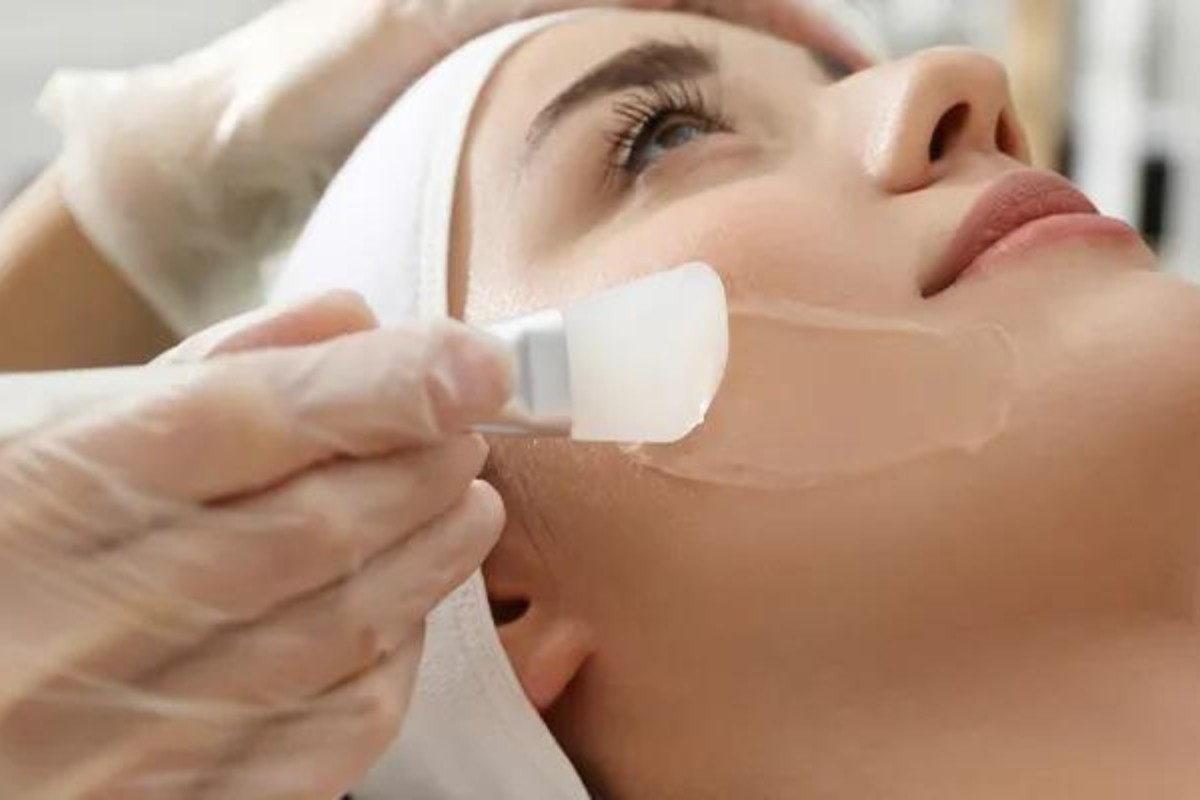
Start by cleansing your face with a gentle cleanser. Pat the skin dry and take a small quantity of aloe vera gel. Spread a thin layer over your face and neck, then massage gently until it is absorbed.
You can use it in different ways:
- As a Daily Hydrating Gel
Apply a thin layer once or twice a day, depending on how your skin responds. If the skin still feels dry, follow it with a suitable moisturiser.
- As an After-Sun Gel
Clean the skin gently after returning from outdoors. Apply aloe vera gel without rubbing aggressively and allow it to absorb naturally.
- As an Overnight Gel
Apply a small amount after cleansing your face at night. Oily skin may feel comfortable with aloe vera gel alone, while dry skin may require an additional moisturiser.
- As a Body Gel
Aloe vera gel can also be applied to the hands, arms, legs, knees and elbows when the skin feels dry or sun-exposed.
Who Can Use Aloe Vera Gel?
Aloe vera gel may suit normal, oily and combination skin because of its light texture. Dry skin can also use it, but aloe vera gel alone may not provide enough moisturisation.
People with sensitive or acne-prone skin should select a simple formula without strong fragrance or unnecessary additives. They should also perform a patch test before applying it to the entire face.
Possible Side Effects of Aloe Vera Gel
Although aloe vera gel is generally considered gentle, it can cause reactions in some people. Possible signs of irritation include:
- Redness
- Itching
- Burning or stinging
- Dryness or tightness
- Small bumps
- Swelling or an allergic reaction
If you experience discomfort, wash the product off with plain water and stop using it. Avoid applying aloe vera gel to deep cuts, open wounds, infected skin, severe burns or active skin conditions without professional medical advice.
Why a Patch Test Is Important
Before using a new aloe vera gel on your face, apply a small amount to your inner arm or behind your ear. Leave it for 24 hours and observe the area.
If you do not notice redness, itching, swelling or burning, you may begin using it on your face. A patch test is especially important for sensitive skin and for anyone trying the product for the first time.
How to Choose the Right Aloe Vera Gel
Check the complete ingredient list instead of depending only on claims such as “natural” or “pure.” Choose a product with a comfortable texture and avoid formulas with very strong artificial fragrance if your skin is sensitive.
The gel should not feel excessively sticky or leave the skin uncomfortable. Always follow the usage directions mentioned on the product packaging.
Final Thoughts
Aloe vera gel can be a simple and useful addition to an everyday skincare routine. It provides lightweight hydration, a refreshing cooling sensation and soothing care when the skin feels dry, warm or tired.
The key is to use a small amount, avoid harsh DIY combinations and pay attention to your skin’s response. Remember that aloe vera gel is a skincare product, not a treatment for serious burns, infections or persistent skin concerns.
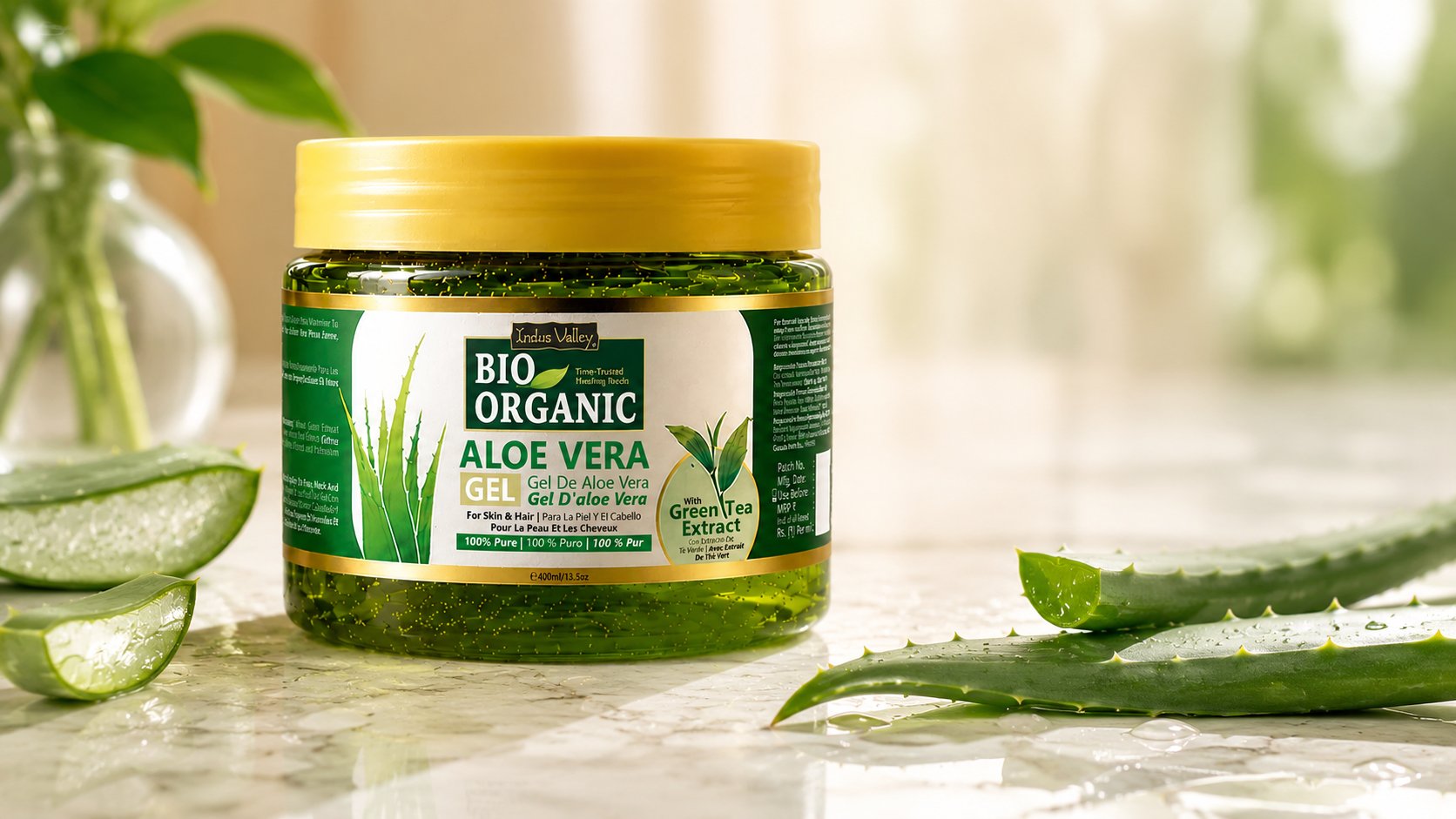
Give your skin the refreshing care it deserves with Bio Organic Aloe Vera Gel. Add it to your daily skincare routine for lightweight hydration and a naturally fresh, soft and comfortable feel. Shop now and make gentle aloe care a part of your everyday routine.