Understanding Acne: Treatment Options for Different Types of Breakouts in Dubai
-
- Published Updated
- 95 views
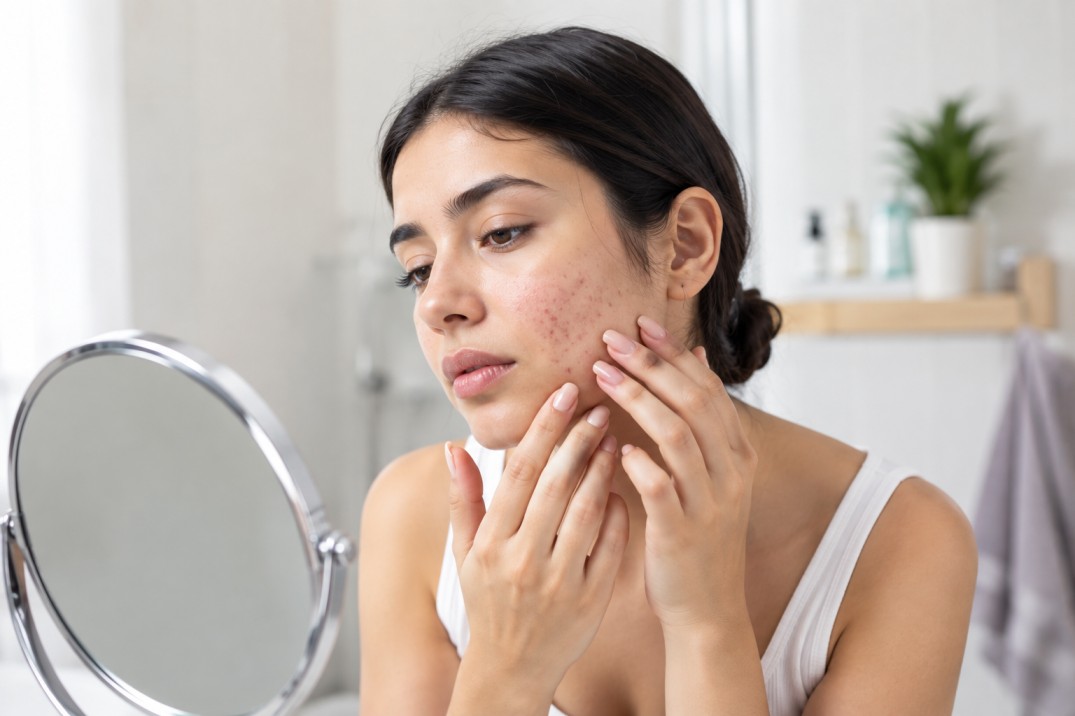
Acne is a prevalent issue when it comes to skin care, which not only affects teens but adults as well. It can show up as black heads, white heads, red bumps, pustules, or deep acne breakouts. This is because there are different kinds of acne and different degrees of severity; hence, treatment is based on the skin condition of the person.
Anyone doing research about acne treatment Dubai should have some basic knowledge of the different kinds of acne and how they affect treatment.
What Are the Different Types of Acne?
Acne often occurs when the hair follicles get plugged by the presence of oil and dead skin cells. Inflammation can also lead to various forms of acne, such as
Blackhead – An open plug of a follicle, which is black in color.
Whitehead – A closed plug of a follicle, which looks like a bump.
Papule – An inflamed red bump.
Pustule – An inflamed lesion containing pus.
Nodule – A large and painful lesion.
Cyst – A deep and inflamed lesion.
Acne can occur on the face, chest, shoulders, and back.
What Can Contribute to Acne?
Acne can be influenced by several factors rather than a single cause. Some factors that may contribute to breakouts include:
Excess oil production
Accumulation of dead skin cells
Follicular blockage
Inflammation
Hormonal changes
Genetic factors
Certain skincare and cosmetic products
Personal skin characteristics can also influence the approach to acne care. For instance, individuals with oily or acne-prone skin may require a different skincare routine from those with dry or sensitive skin. When considering acne treatment Dubai options, understanding individual skin characteristics can help guide a more suitable approach to managing breakouts.
How Is Acne Treatment Selected?
There is no one-size-fits-all solution to acne, which may act differently in different individuals. The appropriate method of treating acne can be determined based on its type, severity, site, and duration.
1. Determine the Type and Severity
First of all, one needs to assess whether the skin suffers from plugged pores, inflammatory pimples, or lesions. Recurrent acne, painful pustules, and scar formation may necessitate medical consultation.
2. Opt for the Right Treatment Method
Depending on the skin condition of the person, acne treatment could range from the use of skincare products, prescription drugs, professional methods, or a mixture of all the three.
In case of mild forms of the breakout, a right skincare regimen and products that address the condition could help manage the condition. If it’s chronic or severe, it would be wise to consult an experienced health care provider to know what could be done.
3. Stick to a Skincare Regimen
The simplest form of regimen will be beneficial for acne-prone skin. Some of the recommendations include:Gentle cleansing without too much scrubbing.
Right moisturizer as required.
Application of sunblock during the day.
Avoiding touching, picking, or squeezing the breakouts.
Right skincare and makeup products for the skin.
It is important to stick to a regimen since frequent changes can complicate the process of identifying the right products.
4. Address Acne Marks and Scars
Some acne breakouts tend to develop dark marks and scars. Picking or squeezing the affected area can cause even more irritation to your skin and result in long-lasting marks.
Individuals who want to treat their acne issues should know how they can get professional treatment for their skin condition in Dubai.
When Should You Consider Professional Acne Care?
Professional help is recommended if:
The acne does not respond to the regular skin care regime.
The acne is painful, deep, or widespread.
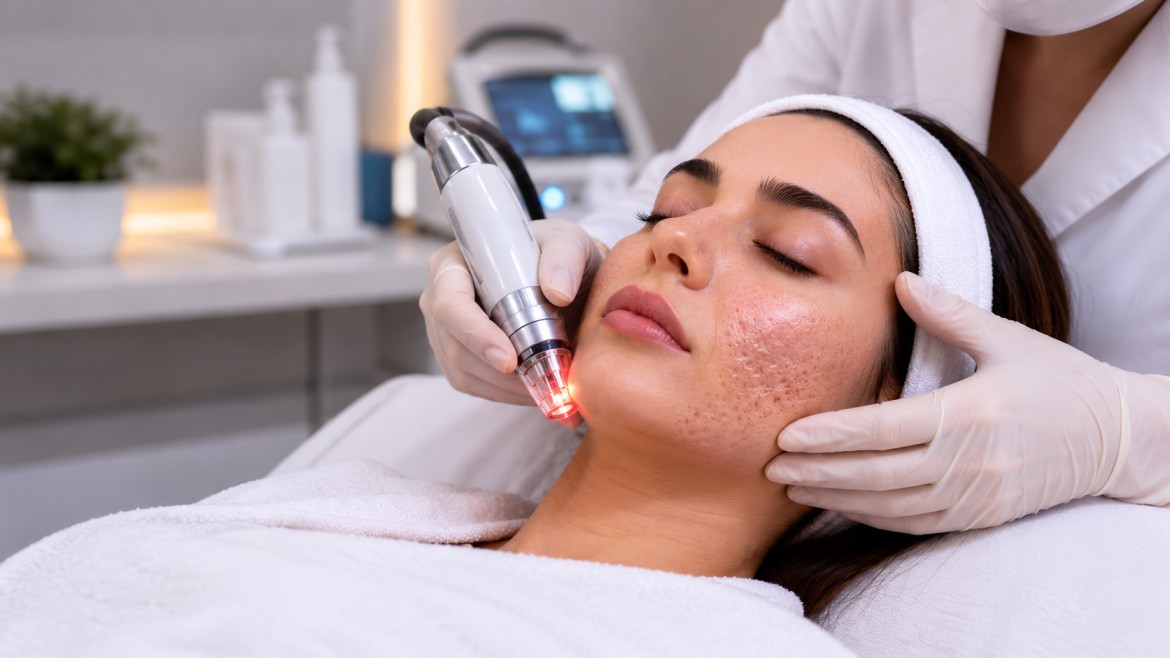
There are dark spots or scars on the skin.
The acne persists.
One is unsure about the choice of skin care products.
The acne affects one’s self-confidence.
A professional examination will assist in determining the nature of the acne and the type of treatment required for such a condition.
Frequently Asked Questions
Q1. Is acne exclusively a teenage condition?
Not necessarily. Acne may affect both teenagers and adults. Some people may have acne persistently from their teenage years to their adult lives, while some may get acne during their adult years.
Q2. How long will it take for an acne regimen to work?
There is no definite time frame. It may depend on the type and degree of the acne and the response of the person's skin to the treatment used.
Q3. Does acne lead to scar tissue?
Yes. Some types of acne, especially deep or inflammatory acne, have the ability to leave scars. Constantly squeezing them could lead to marking and even scaring.
Q4. Is it okay to squeeze acne?
It is advisable not to squeeze or touch active acne. It increases irritation and might lead to pigmentation or scaring.
Q5. Is professional acne treatment for everybody?
No. This is not for everybody, as it all depends on things such as type, intensity, the nature of the skin, and treatments that one has been through before, among others.
Conclusion
Acne management begins with knowing what kind and level of the breakout you have. A regular skin care regime, proper sun exposure, and seeking professional advice when required will enable individuals to have better insight into managing their skin. If individuals plan to look for acne treatment in Dubai, an individual evaluation may serve as a good beginning step.