Rice Benefits for Skin: What Works and How to Use It
-

- Published Updated
- 105 views

Black rice has been eaten for centuries across Asia. In China it was once called "forbidden rice" because it was reserved for royalty. Today it shows up in serums, scrubs and face masks too. But does it deserve a place in your routine, or is it just another trend?
This guide covers what black rice contains, the benefits for skin that are reasonably supported, what is still unproven, and how to use it safely, including alongside a rubber face mask.
What Makes Black Rice Special?
The deep purple-black colour comes from anthocyanins, the same pigments found in blueberries, blackcurrants and purple cabbage. These are antioxidants, meaning they help neutralise free radicals, the unstable molecules produced by UV rays, pollution and stress that can break down collagen over time.
Black rice, especially the bran (outer layer), also contains:
- Vitamin E, which supports the skin barrier and helps retain moisture
- Phenolic compounds, which have antioxidant and soothing properties
- Amino acids and minerals such as iron, zinc and magnesium
- Fibre-rich bran, which is useful when milled into a fine powder for gentle exfoliation
Black Rice Benefits for Skin
1. Antioxidant protection
This is the best-supported benefit. Laboratory studies show that black rice extract has strong antioxidant activity, and that anthocyanins can help protect skin cells from oxidative stress. In simple terms, this may help your skin cope better with everyday environmental damage.
2. Calming redness and irritation
Research suggests black rice bran extract has anti-inflammatory properties. Skin that is easily flushed, sensitive or prone to mild irritation may feel calmer with formulas containing it. It is not a treatment for conditions like eczema or rosacea, so please see a dermatologist for those.
3. Support for a brighter, more even-looking tone
Antioxidants can help reduce the dullness that builds up when skin is under constant stress. Black rice will not erase dark spots on its own, but used consistently alongside sunscreen, it can help skin look fresher and more even.
4. Hydration and a softer feel
Rice-based ingredients have a long history in beauty traditions, partly because they leave skin feeling soft. Vitamin E and the natural starches in rice help skin hold on to moisture, which makes fine dryness lines look less obvious.
5. Gentle exfoliation
Finely milled black rice powder can lift away dead surface cells. Because it is soft and rounded rather than sharp like crushed shells or nut husks, it is generally gentler than many traditional scrubs. Still, go slowly if your skin is sensitive.
What Black Rice Cannot Do
Honesty matters here, so here are the limits:
- Most of the strongest evidence comes from lab and cell studies, not large human trials on skin.
- It will not replace sunscreen, retinoids or prescribed treatments.
- It does not "reverse ageing". It supports skin health as part of a routine.
- Results vary. Skin type, product quality and consistency all matter.
How to Use Black Rice on Your Skin
Option 1: Simple DIY black rice mask
- Grind 2 tablespoons of dry black rice into a very fine powder. Sieve it so no coarse bits remain.
- Mix with 1 tablespoon of plain yogurt or aloe vera gel, and a teaspoon of honey if your skin is dry.
- Apply to clean skin, avoiding the eye area.
- Leave for 10 to 15 minutes, then massage lightly with damp fingertips and rinse with lukewarm water.
- Use once a week.
Always patch test first on your inner forearm and wait 24 hours. Homemade mixtures do not contain preservatives, so make a fresh batch each time.
Option 2: Ready-made products
Look for black rice extract, black rice bran extract or Oryza sativa (rice) bran in the ingredients of serums, creams and masks. Reading the full ingredient list is more reliable than trusting front-of-pack claims.
Option 3: Pair it with a rubber face mask
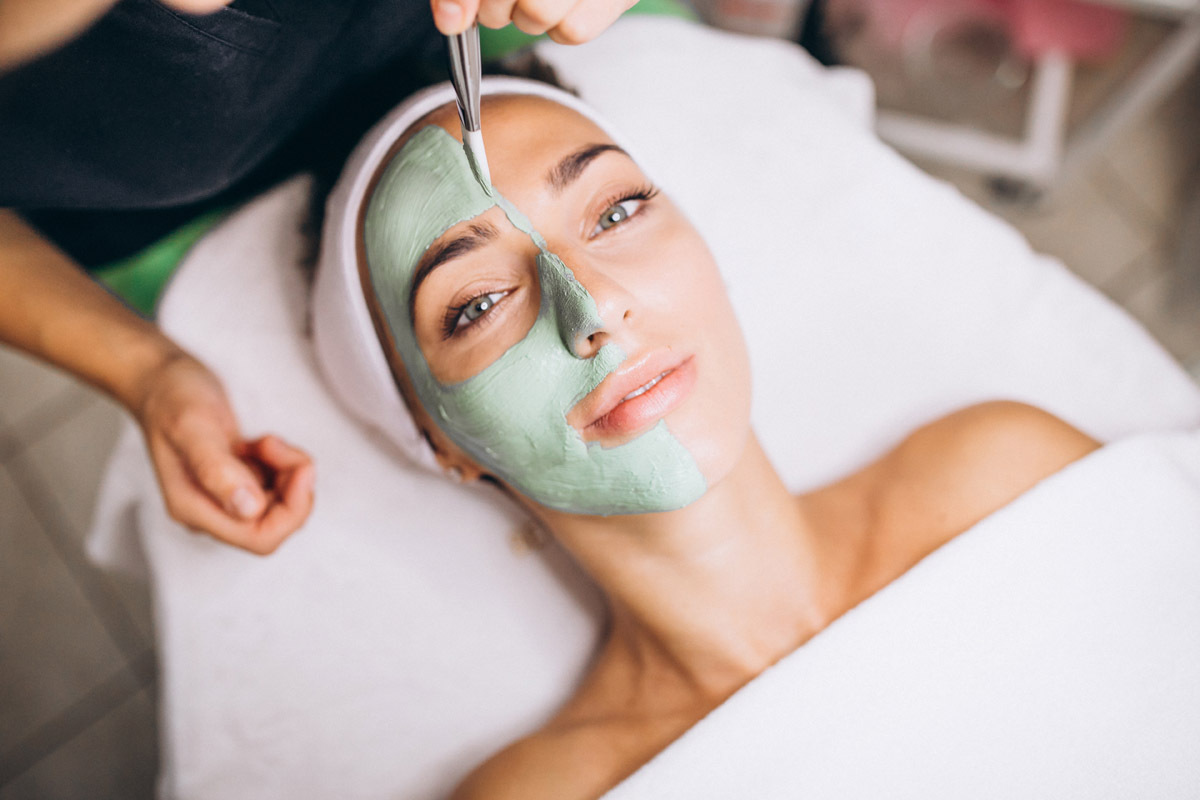
A rubber face mask (also called a modeling or alginate mask) is a powder that you mix with water. It is applied as a smooth paste and sets into a soft, rubbery layer you can peel off in one piece. Because it forms a seal over the skin, it helps active ingredients stay in contact with your face rather than evaporating.
A simple way to combine the two:
- Cleanse, then apply a thin layer of a serum or lightweight gel containing black rice extract.
- Mix your rubber face mask with water according to the pack instructions and apply it over the top, keeping it away from eyes, nostrils and hairline.
- Leave it for the recommended time (usually 15 to 20 minutes) until it sets.
- Peel it off gently from the bottom upwards, then finish with moisturiser.
Do not stir raw rice powder into a rubber mask mix, as it can change the texture and stop the mask from setting properly. Use the serum underneath instead.
Who Should Be Careful?
- Rice or grain allergies: avoid topical use unless a dermatologist advises otherwise.
- Very sensitive, broken or inflamed skin: skip scrubs and homemade masks.
- Acne-prone skin: thick, oily mixtures can feel heavy. Keep homemade masks light and short.
- Rubber masks: avoid them if you have open wounds, active infections or severe breakouts. Never apply near the eyes.
If you notice burning, swelling or persistent redness, wash off immediately and stop using the product.
Building It Into a Realistic Routine
- Morning: gentle cleanser, antioxidant serum, moisturiser, sunscreen (SPF 30 or higher)
- Evening: cleanser, moisturiser or treatment serum
- Once a week: black rice mask or serum-plus-rubber-mask treatment
Give any new product four to six weeks before judging it. Skin renews itself slowly, and constant switching is one of the most common reasons people feel nothing works.
Frequently Asked Questions
Is black rice good for skin when eaten?
It is a nutritious wholegrain with antioxidants, and a balanced diet supports skin health overall. However, eating it will not give the same targeted effect as a well-formulated topical product.
Can I use black rice on my face every day?
Extract-based serums and creams are often designed for daily use. Scrubs and homemade masks are better limited to once a week.
Does black rice lighten skin?
It can help skin look brighter by supporting a more even-looking tone, but it is not a skin-lightening agent.
Can I use a rubber face mask on oily skin?
Yes, many people find these masks leave oily skin feeling fresh. Use a hydrating serum underneath so skin does not feel tight afterwards.
How often should I use a rubber face mask?
Once a week is plenty for most skin types.
Final Thoughts
Black rice is a thoughtful addition to a skincare routine, not a miracle. Its real strengths are antioxidant support, calming properties and gentle exfoliation. Use it consistently, patch test every new product, and never skip sunscreen. If you have persistent skin concerns, a qualified dermatologist can guide you far better than any ingredient trend.