Acne Treatment: Exploring the Latest Research and Modern Approaches
-

- August 22nd, 2026
- 258 views
Acne is among those typical dermatological conditions which can develop during teenage period and also adult age. In spite of the fact that people associate this disease with young age, still many people suffer from it in the course of adulthood as the result of hormonal changes, stressful conditions, inheritance and personal habits. Fortunately enough, dermatology is evolving and the modern approach to the Acne Treatment seems to become more personalized, more customized and effective.
Recently there were developed many new approaches to the treatment of the disease which not only remove acne but also soothe the inflammation, prevent from the development of scars and restore skin's vital functions. Understanding all these approaches will allow preparing for the management of acne and not to guess each time.
Understanding Why Acne Develops
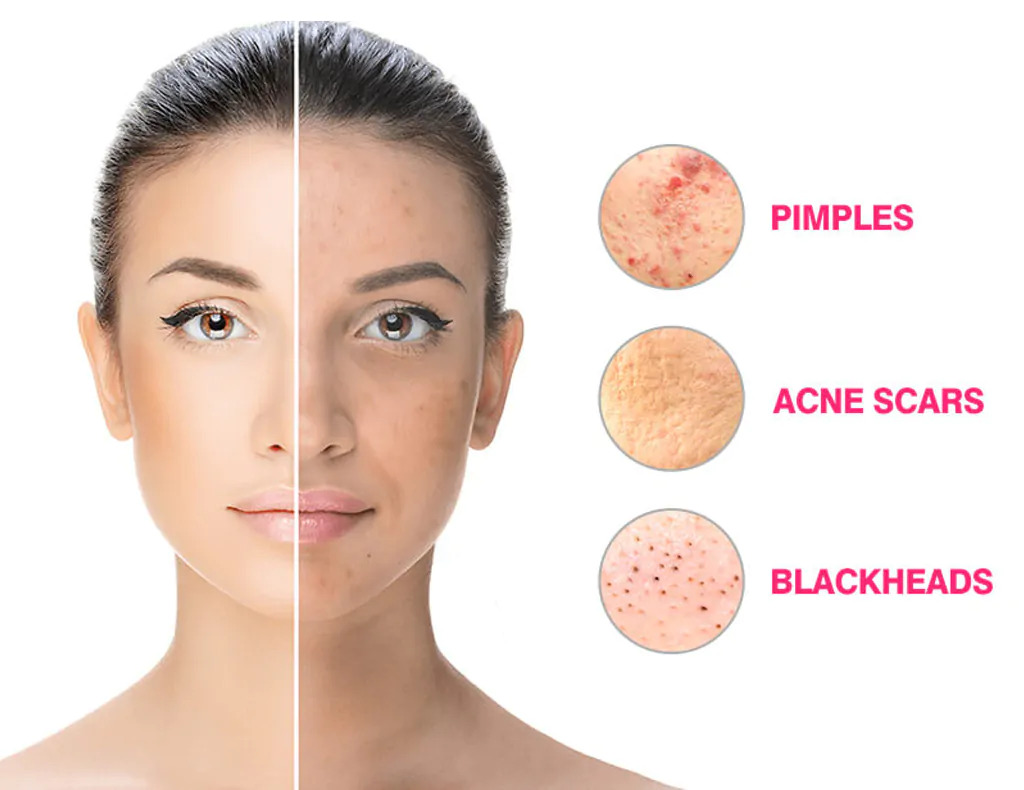
Acne appears due to an accumulation of sebum, dead skin cells, and bacteria within the pores, which eventually leads to the formation of blackheads, whiteheads, pimples, as well as nodules and cysts.
Various factors that promote the development of acne include:
Excess sebum production
Hormonal changes
Bacteria growth in clogged pores
Inflammation
Family history
Stress and particular lifestyle practices
Because there are many factors associated with acne formation, it may take a variety of treatments in order to be successfully managed. Contemporary approaches recommend treatment selection according to the severity of the problem and avoidance of antibiotics whenever possible.
Latest Advances in Acne Treatment
Dermatology research has brought in a few newer ways that boost treatment results, and at the same time keep side effects at a lower level. Instead of only sticking to one medication, dermatologists often lean on a broader game plan that goes after different parts of acne , like not just the visible bumps but the whole process underneath.
1. Personalized treatment plans
Every person's skin is kind of different, so a single solution rarely works for everyone the same way. Dermatologists usually look at skin type, acne severity, hormone signals and even what has been tried before , and then they suggest something more tailored.
When care is personalized it tends to work better, while also cutting down on irritation and avoiding extra medication that might not be needed.
2. Better topical therapies
Nevertheless, topical treatment remains the primary treatment for mild-to-moderate acne as it helps clear up clogged pores, reduces inflammation and kills bacteria that cause acne.
Modern formulations are created in such a way that they provide comfort to skin while remaining efficient.
Ingredients you’ll commonly see include retinoids, benzoyl peroxide, salicylic acid, and azelaic acid, and they are often mixed together depending on individual needs.
Emerging Research in Acne Care
Scientific investigation keeps growing our understanding of acne, which is sort of leading toward new and innovative therapy possibilities.
Microbiome Based Therapies
Rather than wiping out every bacterium on the skin, investigators are looking into therapies that help reestablish the skin’s own microbiome. Keeping the microbial balance, in a way, may lower inflammation while still backing healthy skin functions.
This fast field is trying to reach long-term acne management without feeding antibiotic resistance, or at least that’s the idea.
Advanced Drug Delivery Systems
On the other hand, there is a great deal of research going on into nano-based methods of delivering drugs to aid penetration of medicines through the skin. Such a method would not only be efficient but would reduce irritation and side effects.
Complementary Procedures for Modern Acne Treatment
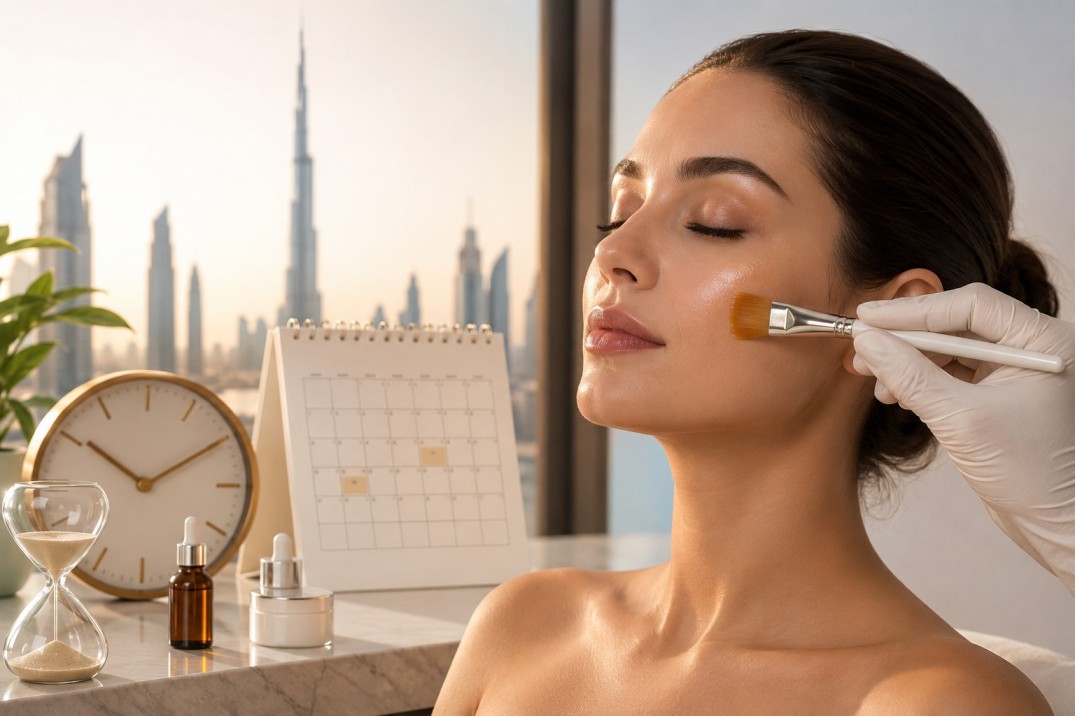
When people suffer from stubborn or moderate/severe acne problems, dermatologists will advise on the use of procedures in addition to medication.
They include:
Chemical peels
Light-based therapy
Laser therapy
Microneedling for acne scars
Clogged pore extraction by professionals
Even though studies about certain procedures are ongoing, they prove helpful when used as part of a personalized regimen.
Healthy Skin: lifestyle habits that actually help (for real, not just talk)
Medical treatment works well when it goes hand in hand with gentle skin care and some reasonable daily practices. For example, yes, not just creams. Most of us are able to begin with simple routines like using a gentle face wash twice a day and avoiding excessive rubbing. Another good idea would be to use non-comedogenic products for your skin care, which do not cause pores to get clogged. Healthy eating is another important thing, especially eating plenty of fruits and veggies. On top of that try handling stress through exercise or relaxation techniques, and don’t ignore sleep, getting enough rest really counts. Also, avoid the urge to pick or squeeze pimples, even when it feels “urgent” at the moment.
All of that can lower irritation and reduce the chances of post acne pigmentation and even scarring.
Why treating it early makes a difference
Many people only visit a professional once their acne has become quite serious. However, there are measures that can be taken in advance to prevent scarring and minimize the risk of prolonged inflammation. Ongoing acne can mess with emotional well being, confidence, and day to day quality of life too. Since the problem is addressed early on, dermatologists will be able to manage your breakouts more effectively while maintaining healthy skin appearance too.
If your acne doesn't improve despite trying over-the-counter solutions, or keeps recurring frequently, then it might be wise to consult the Best Dermatologist in Kolkata.
They can check what’s truly fueling it, then create a more suitable treatment approach.
Acne Management In The Future
There has been a shift towards precision medicine in the future of acne treatments.Researchers have started research on development of therapeutic approaches based on anti-inflammatory action, maintaining skin microflora, improving drug delivery and reduction of antibiotic usage.
Further research will give hope for development of drug delivery systems, modulation of skin microflora and less invasive therapies that would be safe, fast and long lasting.
Conclusion
Modern Acne Treatments are far more advanced than creams and home remedies used before. Modern acne treatments are based on personalized treatments, modern topical medicines, innovative treatment methods, and good habits of life.
As every person has different skin types, it takes patience, regularity, and professional help to manage your acne successfully. With all future developments in dermatological science, patients suffering from acne have more treatment options available than ever before.