Advanced Milia Removal in Dubai: Treatment Options, Safety, and Aftercare
-
- February 23rd, 2026
- 1,378 views

FREE SEO Topical Map Generator: Find Your Next Content Ideas
Milia are small, white keratin-filled cysts that commonly appear on the face. Milia removal Dubai has become a frequent request in dermatology and aesthetic clinics across the Emirates, where licensed dermatologists and skin surgeons offer multiple professional options to remove persistent or cosmetically concerning lesions.
- Milia are tiny cysts caused by trapped keratin; professional removal reduces risk of scarring.
- Advanced options include sterile manual extraction, laser and energy-based treatments, chemical peels, and electrosurgery.
- In Dubai, treatments should be performed by licensed practitioners regulated by local health authorities such as the Dubai Health Authority.
- Post-procedure care and prevention can reduce recurrence and complications.
What are milia and how are they diagnosed?
Milia are benign subepidermal cysts filled with keratin. They present as 1–3 mm pearly white or yellowish bumps, most often on the cheeks, eyelids, forehead, and around the nose. Dermatologists typically diagnose milia by clinical inspection; in uncertain cases, dermoscopy or histopathology following excision confirms the diagnosis.
Causes, types, and risk factors
Primary milia arise spontaneously when keratin becomes trapped beneath the outer skin layer. Secondary milia can follow procedures, burns, blistering skin conditions, or topical steroid use. Risk factors include sun-damaged skin, certain genetic conditions, and the natural aging process. Understanding whether a lesion is primary or secondary helps guide the appropriate treatment.
Milia removal Dubai: Clinic options and regulatory context
Clinics in Dubai provide a range of options for milia removal. Local regulation by entities such as the Dubai Health Authority (DHA) sets standards for practitioner licensing and facility accreditation. Patients are advised to confirm that a treating clinician holds appropriate credentials (for example, board-certified dermatologist or licensed plastic surgeon) and that the treatment setting meets local clinical hygiene and safety requirements.
Advanced removal techniques
Sterile manual extraction
Manual extraction under local antisepsis is the most common professional method for solitary or clustered milia. A trained clinician may use a sterile needle or lance and a comedone extractor to release the keratin contents without full excision. When performed correctly in a clinical environment, this approach is associated with a low complication rate.
Laser and energy-based devices
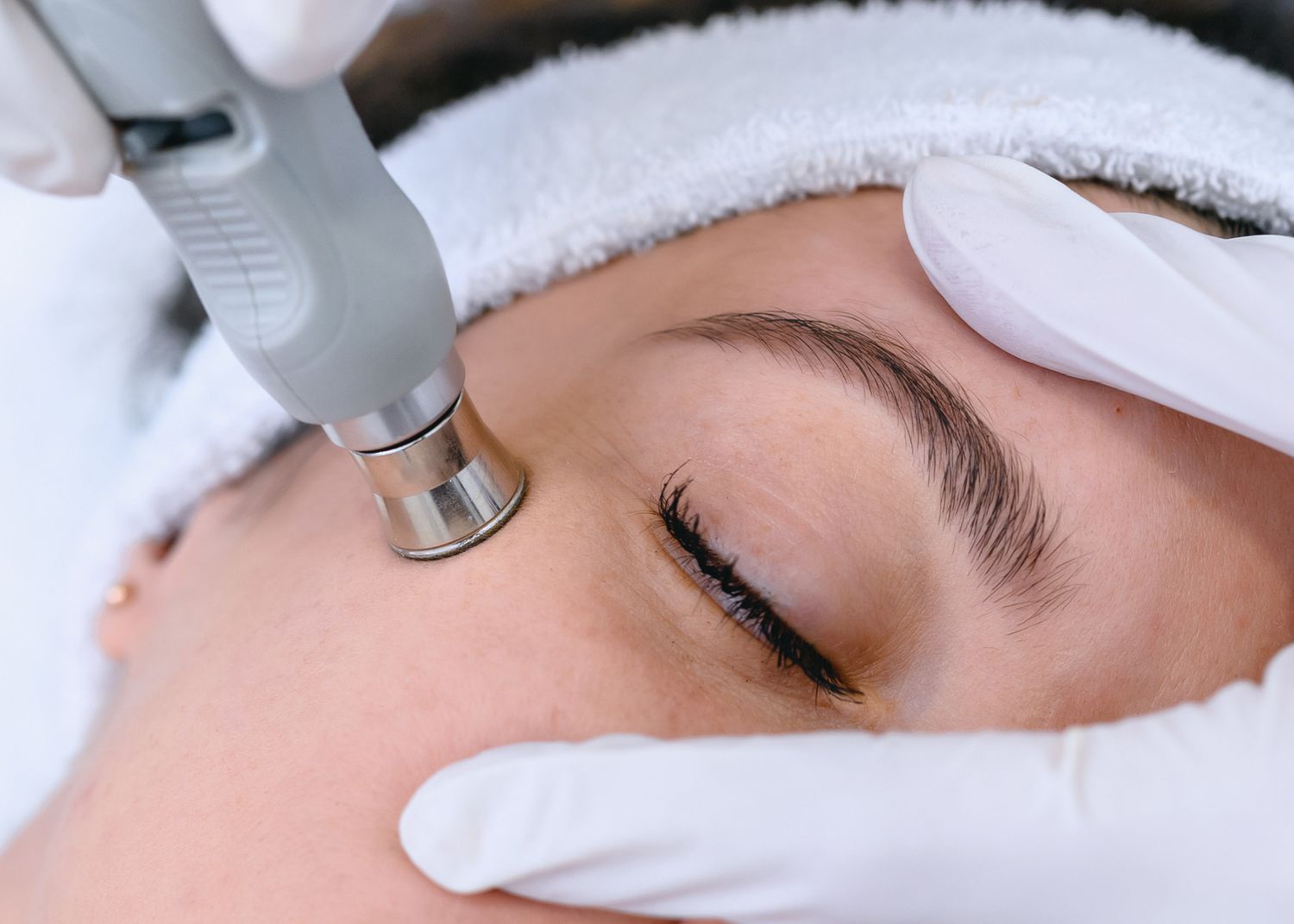
Laser options may be offered for refractory or multiple lesions. Ablative lasers (for example CO2) can remove epidermal lesions precisely, while fractional or non-ablative devices may improve surrounding skin texture and reduce recurrence in photo-damaged skin. Energy-based treatments should be selected and calibrated by a qualified practitioner to balance efficacy and healing time.
Chemical peels and topical resurfacing
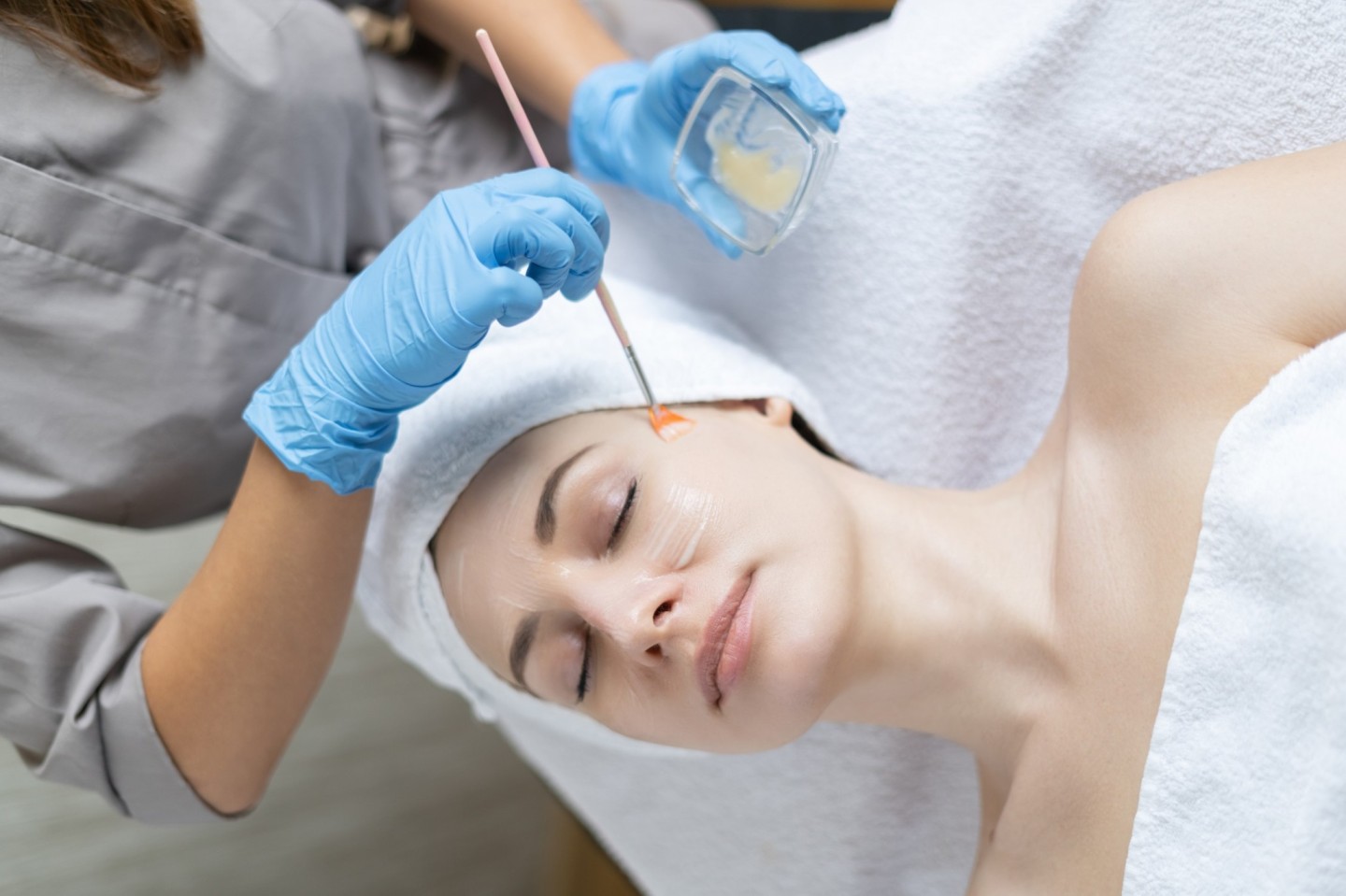
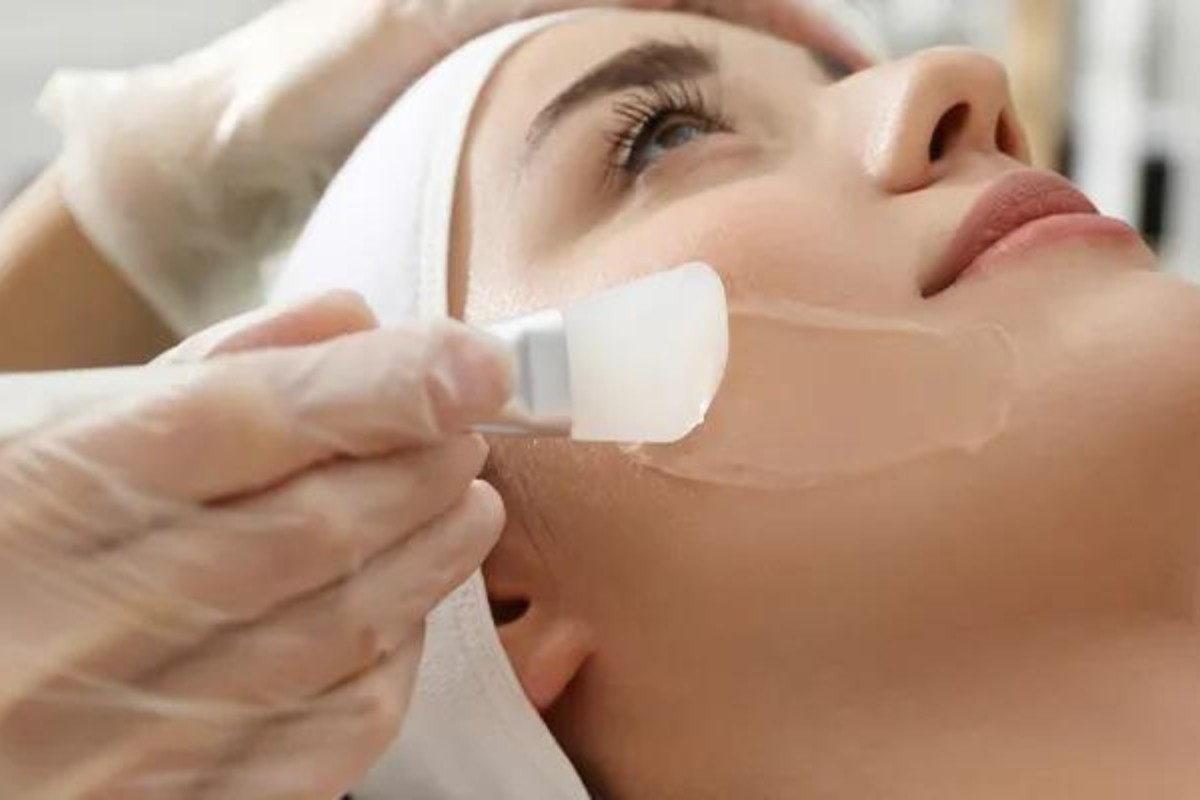
Superficial chemical peels, including low-concentration trichloroacetic acid (TCA) or glycolic acid, sometimes help remove very superficial milia or reduce the appearance of multiple small lesions. Peels are more suitable for diffuse superficial milia and when combined with other modalities for skin rejuvenation.
Electrosurgery and cryotherapy
Electrodessication or cryotherapy may be used selectively. Electrosurgery uses controlled heat to ablate the lesion, while cryotherapy freezes small surface cysts. These options require precise application to minimize risks of hypopigmentation or scarring, especially in darker skin types.
Topical therapies and non-surgical management
Topical retinoids can promote epidermal turnover and may reduce the formation of new milia over time. Such approaches are preventive or adjunctive rather than immediate removal methods. Over-the-counter products and prescription regimens should be discussed with a dermatologist to match skin type and sensitivity.
Choosing a provider and safety considerations
Selection of a treating clinician should prioritize qualifications, clinical experience with milia treatment, and facility accreditation. Licensed dermatologists or plastic surgeons have training in diagnosis, sterile technique, and management of complications. In Dubai, the Dubai Health Authority regulates health facilities and licensing; patients can confirm credentials when booking treatment. Potential risks of any procedure include infection, scarring, pigmentation changes, and recurrence.
Aftercare and expected recovery
Post-procedure care varies by technique. General measures include keeping the treated area clean, following prescribed topical regimens, and protecting the area from sun exposure during healing. Recovery times range from a few days for simple extraction to one or more weeks for ablative procedures. Any unusual pain, spreading redness, or signs of infection should prompt contact with the treating clinician.
Prevention and long-term management
Prevention strategies center on gentle skin care, sun protection, and monitoring for secondary causes such as prior skin trauma or systemic medication effects. Routine use of strong topical steroids on the face is not recommended and can contribute to secondary skin changes; medical supervision is advised for any ongoing topical prescription therapy.
When to seek specialist care
Consultation with a dermatologist is recommended for multiple recurrent lesions, atypical appearance, lesions that change rapidly, or when prior removal attempts have caused scarring or infection. A specialist can offer diagnostic confirmation and a treatment plan tailored to skin type and cosmetic goals.
For further background on milia and professional guidance, refer to dermatology resources such as the American Academy of Dermatology's patient information on milia: American Academy of Dermatology – Milia.
References and regulatory notes
Information in this article reflects common clinical practices and regulatory expectations in the United Arab Emirates, including oversight by the Dubai Health Authority. Where treatment is sought, confirm licensure and facility accreditation and seek a personalized consultation.
FAQ
Is Milia removal Dubai safe?
When performed by a licensed clinician in an accredited facility, professional milia removal is generally safe. Risks vary by technique and individual skin characteristics; a consultation helps assess safety and expected outcomes.
Can milia go away on their own?
Some milia may resolve spontaneously over time, but many persist for months or years. Persistent milia that are cosmetically bothersome are often treated by a clinician.
Are there home remedies for milia?
Attempting to extract milia at home is not recommended because it can increase the risk of scarring and infection. Gentle cleansing and sun protection may help prevent new lesions; consult a dermatologist before starting topical prescription treatments.
Will milia come back after removal?
Recurrence is possible, particularly if underlying factors such as sun damage or secondary causes are not addressed. Preventive skin care and follow-up with a dermatologist reduce the likelihood of new lesions.
How to choose between laser, peel, or manual extraction?
Choice of treatment depends on the number, size, depth of lesions, skin type, and patient expectations. Manual extraction is suitable for isolated lesions, while lasers or peels may be considered for multiple or refractory milia and when additional skin rejuvenation is desired. A licensed dermatologist can recommend the most appropriate option based on a clinical evaluation.