Affordable Wall Tiles: Stylish, Practical Choices for Every Room
-

- March 10th, 2026
- 376 views

Get a free topical map and start building content authority today.
Affordable wall tiles: stylish options for every room
Choosing affordable wall tiles is one of the most effective ways to update a room without a major remodel. This guide explains material choices, visual styles, installation notes, and cost-saving strategies so a practical selection matches style goals and long-term performance.
- Primary budget-friendly materials: glazed ceramic, porcelain, glass, and large-format porcelain that mimics stone.
- Key decisions: water exposure, slip resistance, grout choice, and whether a DIY or pro install is appropriate.
- Use the TILE-SMART checklist below to compare options and avoid common mistakes.
Detected intent: Informational
Core questions to guide tile selection
- What are the most affordable wall tile materials?
- How to choose wall tiles for moisture-prone rooms?
- What grout and adhesive choices affect durability?
- When is a professional install recommended?
- How to get a stylish look on a tight budget?
Affordable wall tiles: materials, styles, and real-world trade-offs
Common, cost-effective wall tile materials include glazed ceramic, porcelain, glass tile, and thin large-format porcelain. Each material has trade-offs in price, durability, and visual effect. Ceramic is widely available and inexpensive, making it ideal for accent walls and backsplashes. Porcelain is denser and better for moisture-prone areas like bathrooms. Glass tiles provide brightness and reflections but typically cost more per square foot and require careful backing and adhesive selection.
Material comparisons
- Glazed ceramic: Low cost, wide color/pattern range, easy DIY; softer than porcelain and can chip.
- Porcelain: Higher density, better water resistance, available in realistic stone and wood looks; slightly higher price but longer lifespan.
- Glass: Bright, modern aesthetic; reflective surfaces make small rooms appear larger but can show grout lines and need compatible adhesives.
- Large-format porcelain: Mimics expensive stone or marble at lower cost when installed correctly; requires flat substrate.
- Luxury vinyl wall panels (tile-look): Budget-friendly alternative for low-moisture areas where impact resistance and easy installation are priorities.
Related terms and standards
When selecting tiles, review industry guidance such as ANSI standards and technical notes from the Tile Council of North America. For installation standards and testing methods consult the Tile Council of North America (TCNA).
TILE-SMART checklist: a named model for choosing wall tiles
The TILE-SMART checklist gives a repeatable selection process for budget-conscious decisions:
- Target room: Define moisture exposure and traffic.
- Image and style: Choose finish (matte, glazed, polished) and color story.
- Lifespan needs: Estimate how long the install must last before refresh.
- Economy: Compare cost per sq. ft. including grout, adhesive, and trim.
- -
- Substrate readiness: Verify backing board, flatness, and waterproofing.
- Method of install: DIY vs pro; note labor complexity for patterns or large formats.
- Accessories: Grout color, trim pieces, caulk, and sealants.
- Resources: Read product datasheets and TCNA installation guides.
- Test and buy: Purchase a small sample area to confirm color and texture in-room lighting.
Real-world example: small bathroom refresh on a budget
Scenario: Refresh a 5'x8' bathroom on a $700 materials budget. Choose 3x6 white glazed subway ceramic for the shower walls and a matching ceramic bullnose trim. Use neutral mid-gray grout to reduce visible staining. Select a mildew-resistant grout and a pre-mixed thinset for easier DIY. Reserve $150 for backer board and waterproofing membrane. Result: A bright, contemporary shower with easy-to-clean surfaces achieved without premium stone or expensive labor.
Installation, maintenance, and costs
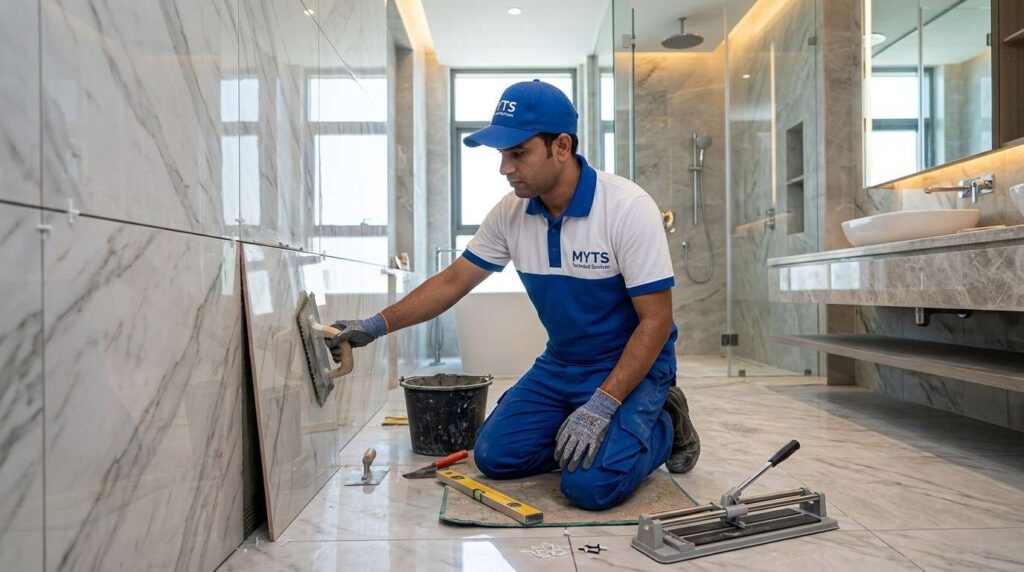
Labor can often exceed material cost. For straightforward layouts—stacked subway tile or single-material walls—DIY is realistic for someone comfortable with measuring, cutting, and applying thinset. Complex mosaics, large-format tiles, or uneven substrates usually require a professional installer to avoid lippage and poor waterproofing.
Common mistakes and trade-offs
- Choosing a highly textured tile for shower walls without accounting for cleaning difficulty—texture traps soap scum and increases maintenance.
- Using the wrong grout type: non-sanded grout on wide joints will crack; epoxy grout costs more but resists staining and is ideal for wet zones.
- Underestimating substrate prep: uneven walls cause tile lippage and can void warranties.
- Opting for the cheapest adhesive: inferior adhesives can fail in wet environments—choose a product rated for the tile type.
Practical tips for buying and installing on a budget
- Buy full boxes rather than mix-and-match lots—tile shades vary between production batches; return policy matters.
- Use larger tiles where possible to reduce grout lines and labor time; large-format tiles can cost more but cut installation hours.
- Pick grout color to minimize maintenance: medium-gray hides dirt better than bright white.
- Consider semi-professional support: hire a pro for substrate prep and do the field cuts and tiling to save labor cost while ensuring a solid base.
- Shop remnant or clearance stock for accent strips or niche interiors—these pieces create a custom look with minimal added expense.
Practical maintenance checklist
- Seal unglazed tiles and natural stone according to manufacturer guidance.
- Use pH-neutral cleaners for glazed ceramic and porcelain.
- Re-caulk joints annually where needed to maintain waterproofing.
Core cluster questions for related content
- How to choose grout color for wall tiles?
- Which wall tile materials are best for humid bathrooms?
- What are budget-friendly tile layouts that look high-end?
- How to prepare walls for tile installation?
- When to choose professional tile installation over DIY?
FAQs
Are affordable wall tiles durable enough for bathrooms?
Yes—many affordable wall tile materials like glazed ceramic and porcelain offer sufficient durability for bathrooms when properly installed with appropriate backer board, waterproofing, and grout. Porcelain provides better density and water resistance if moisture exposure is high.
What are budget-friendly wall tile ideas for living areas?
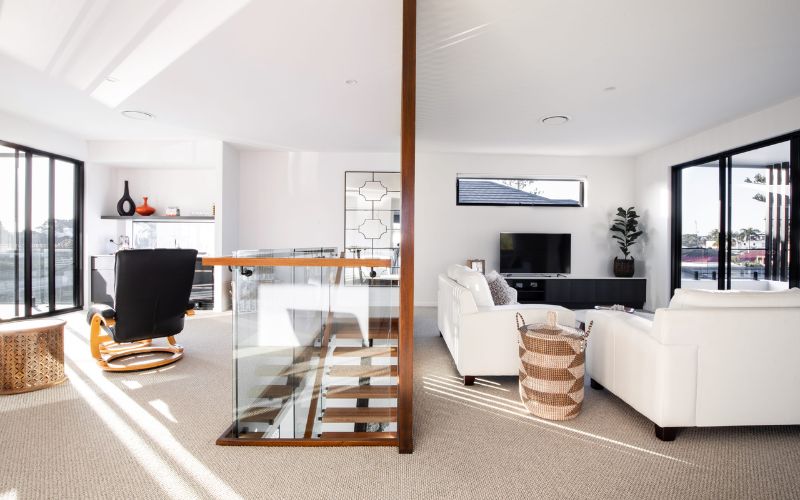
Consider large-format porcelain with a stone look, simple ceramic subway tile accents, or a painted accent wall paired with a tile fireplace surround. Vinyl tile-look panels are an economical option for low-moisture living spaces where impact resistance and easy installation are priorities.
How to cut costs without compromising appearance?
Use consistent tile sizes, limit the number of tile types, choose neutral grout to hide wear, and select a simple lay pattern. Buying slightly larger tiles reduces grout lines and labor time, and sourcing discounted overstock for accents can keep the design feeling premium.
How to maintain grout and prevent staining?
Use a mildew-resistant, appropriately sanded grout, apply a grout sealer on porous grout lines, and clean with pH-neutral products. Address spills promptly and re-seal grout per product recommendations.
What factors should guide the selection of affordable wall tiles?
Consider moisture exposure, desired aesthetic (matte vs. glossy), maintenance tolerance, budget for materials and labor, and the condition of existing walls. Follow the TILE-SMART checklist to make a balanced choice.