Affordable PRP Therapy in Dubai: A Practical Guide to Hair Restoration
-

- Published Updated
- 1,526 views
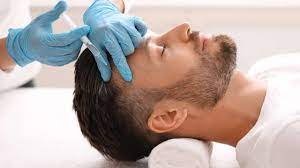
PRP therapy Dubai has become a commonly discussed option for people seeking hair restoration that balances cost, convenience, and minimally invasive technique. Platelet-rich plasma (PRP) uses a patient's own blood components to concentrate growth factors and is offered by dermatology clinics, trichologists, and some hair restoration centers across the city.
This article explains what PRP therapy is, the typical procedure and aftercare, evidence on effectiveness, cost considerations in Dubai, how to choose a clinic, and common risks. Information is based on clinical study summaries, professional society guidance, and local regulation references. This is for informational purposes and is not medical advice.
PRP Therapy Dubai: How it Works
Platelet-rich plasma (PRP) is an autologous biological treatment in which a small sample of blood is centrifuged to concentrate platelets and growth factors. The resulting plasma is injected into the scalp to stimulate hair follicles and improve hair density. Typical sessions take 30–60 minutes and may be combined with topical treatments or other procedures depending on clinical recommendations from dermatologists or hair specialists.
Who is a Candidate?
Common indications
PRP is most commonly offered for androgenetic alopecia (pattern hair loss) in early to moderate stages, thinning hair, and some cases of non-scarring alopecia. Ideal candidates are generally those with active hair follicles and realistic expectations about outcomes.
When to seek specialist evaluation
Assessment by a licensed dermatologist or trichologist helps determine whether PRP is appropriate. Evaluation typically includes medical history, scalp examination, and sometimes blood tests to rule out treatable causes of thinning such as iron deficiency or thyroid dysfunction.
Procedure, Sessions, and Aftercare
The treatment process
PRP therapy usually involves: venous blood draw, centrifugation to separate plasma, preparation of the platelet concentrate, local scalp anesthesia, and multiple microinjections into affected scalp areas. Clinicians may use standardized protocols for platelet concentration and injection spacing.
Number of sessions and maintenance
Common regimens start with 3 monthly sessions followed by maintenance sessions every 3–6 months. Individual protocols vary based on response, underlying diagnosis, and practitioner preference.
Aftercare and recovery
Mild swelling, pinpoint bleeding, or temporary soreness are common. Avoiding intense exercise, alcohol, and certain medications for a short period is commonly recommended by providers. Follow-up assessments document hair density changes and guide maintenance scheduling.
Evidence, Effectiveness, and Expectations
Clinical evidence on PRP for hair loss includes randomized controlled trials and systematic reviews with mixed but generally positive signals for improved hair count and thickness in some patients. Outcomes depend on factors such as the extent of hair loss, platelet concentration, and treatment schedule. Relevant literature summaries are available through academic databases such as PubMed, and professional guidance from dermatology societies provides context on study quality.
Cost and Affordability in Dubai
Costs in Dubai vary widely depending on clinic reputation, provider training, materials, and the number of sessions. Pricing models may charge per session or offer packages for initial and maintenance visits. Compared with surgical hair transplantation, PRP is typically less expensive per session, but cumulative costs over long-term maintenance should be considered when evaluating affordability.
Choosing a Clinic and Regulatory Considerations
Licensing and qualifications
Select a provider licensed by local health regulators and with specific training in dermatology, hair restoration, or aesthetic procedures. The Dubai Health Authority (DHA) oversees licensing for many healthcare providers in the emirate and can be consulted for provider verification. For information on local licensing and approved clinics, consult the Dubai Health Authority website.
Clinic standards and informed consent
Clinics should provide clear written information about the expected benefits, possible complications, alternative treatments, and estimated costs. Informed consent and documented medical assessment are standard practice for reputable providers.
Safety, Risks, and When to Seek Help
PRP is generally considered low-risk because it uses autologous blood, minimizing allergy risk. Possible adverse effects include infection at injection sites, transient pain or swelling, and rare complications related to injection technique. Seek prompt evaluation from a licensed clinician for persistent pain, signs of infection, or unexpected skin changes.
This article is informational and does not replace professional medical assessment. For personalized guidance, consult a licensed healthcare professional or dermatologist.
Frequently Asked Questions
How effective is PRP therapy Dubai for pattern hair loss?
Effectiveness varies: some studies report measurable improvements in hair count and thickness for patients with early to moderate androgenetic alopecia. Individual results depend on the severity of hair loss, treatment protocol, and patient health. Discuss expected outcomes and evidence with a licensed clinician.
How many PRP sessions are usually needed?
Typical plans start with three sessions spaced about 4 weeks apart, followed by maintenance sessions every 3–6 months. Providers may tailor the schedule based on response and clinical judgment.
Are there alternatives to PRP for hair restoration?
Yes. Alternatives include topical therapies (for example, minoxidil), oral medications prescribed by a clinician, low-level laser therapy, and surgical hair transplantation. Combining treatments is common and should be guided by a healthcare professional.
Is PRP treatment covered by insurance in Dubai?
Coverage for PRP varies by insurer and policy. Cosmetic procedures are often excluded, while treatments deemed medically necessary might be covered in limited circumstances. Verify coverage with the insurance provider and obtain cost estimates from clinics before treatment.
What credentials should a provider have?
Look for providers licensed by local regulatory bodies and experienced in dermatology, trichology, or hair restoration. Verify credentials and ask about experience with PRP protocols, sterile technique, and outcome documentation.
How soon are results visible?
Improvements may be gradual. Early signs can appear within 3–6 months after initiating therapy, with more noticeable changes after several sessions. Longevity of results varies and may require periodic maintenance.
Where to find authoritative guidance on hair loss treatments?
Professional societies such as the American Academy of Dermatology and peer-reviewed literature indexed on PubMed provide clinical reviews and trial data. Local regulator websites, including the Dubai Health Authority, list licensed clinics and regulatory guidance relevant to Dubai.
This information is provided for general education. It does not constitute medical advice, diagnosis, or treatment. For individual recommendations, consult a licensed healthcare professional.