What Age Should Kids Start Martial Arts?
-

- Published Updated
- 4,825 views
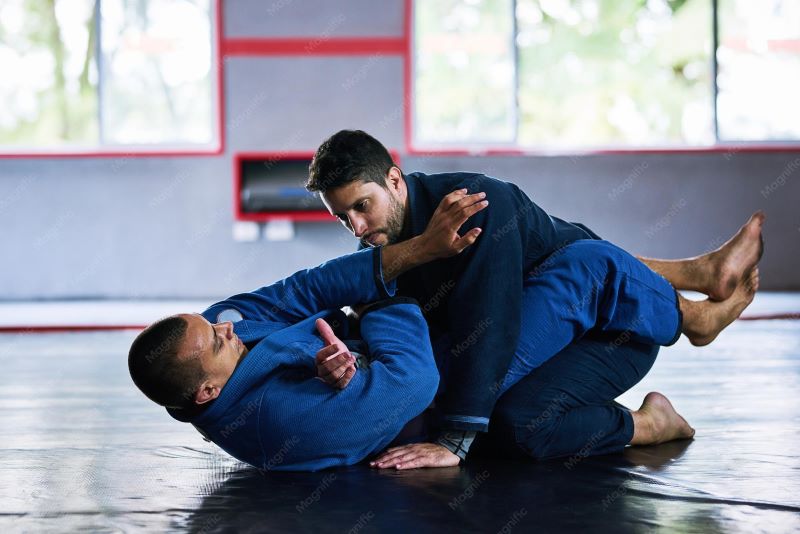
A child's first martial arts class can be about much more than learning how to punch, kick, throw, or grapple. It can be the beginning of a journey toward greater confidence, discipline, focus, coordination, and self-awareness. For parents, however, one question often comes first: Is my child old enough to start?
There isn't one universal age that works for every child. Readiness depends on physical development, attention span, ability to follow instructions, emotional maturity, and interest in participating. Some children may enjoy structured training at a young age, while others may benefit from waiting until they are more comfortable in a group setting.
Understanding what different age groups can realistically handle can help parents make a confident decision without rushing the process.
What Age Is Generally Appropriate to Start Martial Arts?
Many children can begin introductory martial arts programs around ages 4 to 6, provided the classes are designed specifically for their developmental stage. At this age, instruction typically emphasizes movement, balance, listening, coordination, and basic discipline rather than intense competition or physical contact.
As children grow older, they can gradually develop more complex skills and participate in structured drills. Parents considering professional martial arts classes should look for programs that separate students by age and ability when appropriate.
The instructor's approach matters just as much as the child's age. A good children's program should create a safe environment where young students can learn progressively without feeling pressured to perform beyond their abilities.
What Should Parents Consider Before Enrolling a Child?
Age is only one part of the decision. Parents should consider whether their child can participate comfortably in a structured class and follow basic directions from an instructor.
Useful signs of readiness may include:
Following simple instructions
-
Participating in group activities
Showing interest in physical movement
Taking turns with other children
Staying engaged for the length of a class
Understanding basic safety rules
A child does not need to be naturally athletic to start. Martial arts training itself can help develop coordination, balance, and physical confidence over time.
How Do Martial Arts Benefit Younger Children?
For younger children, martial arts can provide a structured outlet for physical activity while introducing valuable social and behavioral skills. Following routines can encourage discipline, while practicing movements can improve coordination and body awareness.
Children also learn that progress takes practice. A technique may not feel natural during the first few attempts, but repeated effort can gradually lead to improvement. This experience can help develop patience and a healthy understanding of persistence.
Group classes may also provide opportunities to practice listening, respecting personal space, cooperating with classmates, and responding appropriately to instructors.
Are Martial Arts Safe for Young Children?
Safety should be a parent's top priority when choosing a program. Children's classes should use age-appropriate exercises, appropriate equipment, controlled contact, and clear safety expectations.
Parents should ask about instructor qualifications, class structure, student-to-instructor ratios, and how physical contact is introduced. A reputable program should prioritize technique and safety rather than encouraging unnecessary aggression.
Children should also learn that martial arts are skills for training, personal development, and responsible self-defense, not tools for starting conflicts.
When Should Parents Consider Professional Martial Arts Classes?
As children become more comfortable with structured activities, parents may consider professional martial arts classes that offer a clear progression from foundational skills to more advanced training.
The right program should provide age-appropriate instruction while allowing students to progress according to their individual abilities. Some children may eventually become interested in competition, while others may simply enjoy martial arts as a form of exercise and personal development.
Parents should not feel pressured to choose a program based solely on competitive achievements. A positive learning environment can be more important for a child's long-term experience.
Can Martial Arts Help With Confidence and Discipline?
One of the most valuable aspects of martial arts is the opportunity to develop skills beyond physical technique. Children regularly practice listening, repetition, patience, and goal-setting. Seeing gradual improvement can give them a stronger sense of accomplishment.
Training can also teach children how to handle setbacks. Not mastering a movement immediately becomes part of the learning process rather than a reason to give up.
For some children, the structure of regular training can provide a healthy routine that supports focus and responsibility in other areas of life as well.
How Can Parents Choose the Right Program?
Parents should visit potential programs before enrolling their child whenever possible. Watching a class can reveal how instructors communicate with students, how children interact with one another, and whether the environment feels supportive.
It is also worth asking about trial classes, age groups, training expectations, safety procedures, and instructor experience. Most importantly, parents should consider their child's personality and interests rather than comparing them with other children.
There is no single perfect starting age for every child. The best time to begin is when a child is developmentally ready, genuinely interested, and able to participate safely in an appropriately structured program. With supportive instruction and realistic expectations, martial arts can become a rewarding activity that grows alongside a child for years to come.