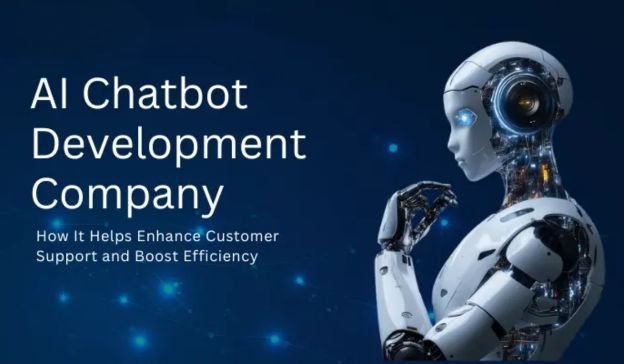
AI Chatbot Development Company
-

- April 08th, 2026
- 7,667 views
The Future of AI-Powered Conversational Experiences: A Modern Guide to Chatbot Development
Source: https://www.agicent.com/ai-chatbot-development-company
In today’s digital landscape, intelligent chatbots are no longer optional — they’re essential for any business that wants to compete in customer engagement, operational automation, and digital transformation. Powered by machine learning, natural language processing (NLP), and modern AI frameworks, chatbots go far beyond simple scripted responses. They’ve become dynamic conversational agents that elevate user experiences, reduce manual workloads, and unlock powerful data insights.
This article explores how AI chatbot development works, what capabilities modern solutions offer, and how organizations can leverage these tools to drive real results.
What Makes an AI Chatbot Truly Intelligent?
At its core, an AI chatbot is a software system designed to understand and respond to human language in a way that feels natural and intuitive. Unlike rule‑based bots that follow preset if‑then flows, advanced AI chatbots are built using:
Natural Language Understanding (NLU) that interprets user intent.
Machine learning algorithms that adapt and improve over time.
Contextual awareness so the bot remembers past interactions and provides more relevant responses.
These capabilities transform chatbots into reliable virtual assistants that not only answer questions but drive personalized experiences across channels.
Core Capabilities of Next‑Gen Chatbots
Modern AI chatbots are designed to do more than just chat — they act as extensions of a company’s digital ecosystem, helping in areas like:
Contextual Understanding
Intelligent bots can interpret user intent based on context, prior interactions, and sentiment, making conversations feel natural and human‑like.
Voice and Multimodal Interaction
Today’s chatbots support voice input and output, allowing hands‑free interactions and broader accessibility. They can even process text, audio, and visual inputs to answer complex queries.
Multilingual Support
Global businesses benefit when chatbots communicate in multiple languages, expanding reach and improving engagement across borders.
Integration with Business Systems
Leading solutions seamlessly connect with CRM, ERP, HR, and CMS systems to pull real‑time data, automate processes, and enhance internal productivity.
Analytics & Insight Generation
Generative AI chatbots can summarize complex data, pull insights from large knowledge repositories, and turn user input into actionable business intelligence.
Why Businesses Are Investing in Custom Chatbot Solutions
Here’s why forward‑thinking organizations are choosing to build tailored AI chatbots:
Enhanced Customer Experience
From answering support questions 24/7 to facilitating purchases, chatbots elevate customer satisfaction while reducing dependency on human agents.
Operational Efficiency
Automating routine interactions and workflows frees up internal teams to focus on strategic tasks and innovation.
Stronger Security and Compliance
Modern development practices embed security into conversational systems, protecting sensitive information and ensuring compliance with regulations like GDPR or HIPAA.
Personalization and Engagement
With analytics and contextual learning, AI chatbots can tailor conversations, provide personalized recommendations, and improve loyalty over time.
Key Stages of AI Chatbot Development
Developing a high‑performing chatbot involves several strategic and technical steps:
1. Discovery & Strategy
Define business goals, target audience, and use cases. Clarify whether the chatbot will handle support, sales, internal automation, or all of the above.
2. Design & Architecture
Layout conversational flows, integration points, and UX considerations. This stage maps out how the bot will interact with users and backend systems.
3. AI Model Selection
Choose the right models — from pretrained LLMs like GPT to custom NLP pipelines — to ensure accurate understanding and response generation.
4. Integration & Deployment
Connect to CRMs, databases, support systems, and messaging platforms to provide real‑time, context‑aware responses.
5. Testing & Optimization
Continuously evaluate interactions, retrain models, and refine conversational logic to improve accuracy and engagement.
6. Monitoring & Maintenance
Provide ongoing support, performance tuning, and feature updates to adapt the chatbot as business needs evolve.
Where AI Chatbots Deliver the Most Value
AI chatbots are versatile and valuable across industries such as:
E‑Commerce — guiding shoppers, processing orders, and answering product queries.
Banking & Finance — assisting with balance inquiries, loan details, and transaction support.
Healthcare — handling appointment scheduling, symptom checking, and patient support.
Insurance — navigating policy information, claim status, and coverage questions.
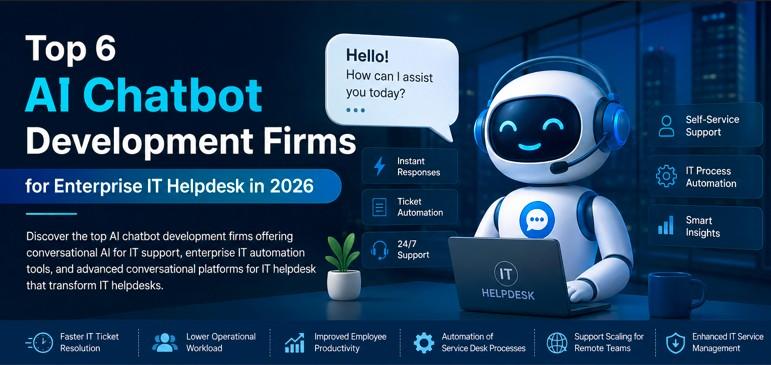
Enterprise Support — automating internal help desks and knowledge retrieval.
Final Thoughts: Choosing a Chatbot Development Partner
The right AI chatbot partner should bring strategy, technical expertise, and a deep understanding of your business goals. Whether you’re building a voice assistant, a transactional bot, or a support agent that integrates with multiple business systems, investing in customized AI solutions ensures you unlock measurable efficiency gains and lasting user engagement.
AI chatbots are no longer futuristic add‑ons — they’re core components of digital strategy. By leveraging the right technologies and development approach, businesses can elevate customer experiences and accelerate their growth in the age of intelligent automation.