AI CRM: How Smart Automation Turns Leads Into Customers
-

- March 25th, 2026
- 7,703 views
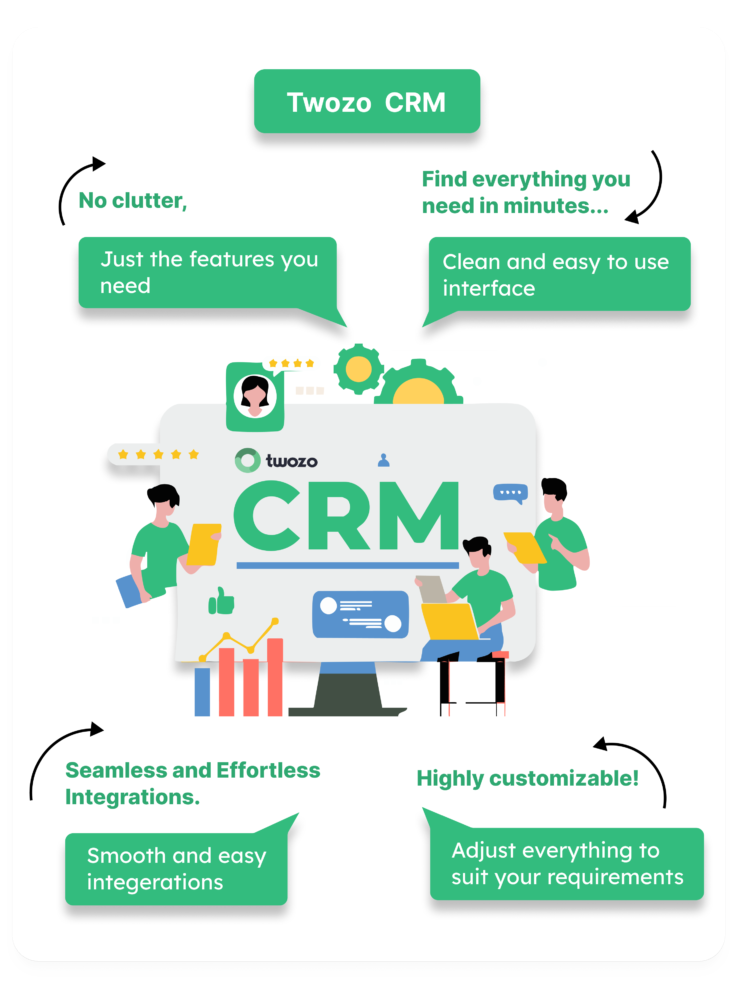
In today’s highly competitive digital marketplace, businesses must do more than simply collect customer data to succeed. Sales teams need intelligent tools that help them understand prospects, streamline communication, and respond quickly to opportunities. Traditional CRM systems were designed mainly for storing contact information and tracking interactions, but modern businesses require much more. This is where AI-powered Customer Relationship Management (AI CRM)plays a crucial role.
AI CRM combines artificial intelligence with traditional CRM functionality to automate processes, analyze customer behavior, and provide predictive insights. By using data-driven automation, businesses can identify the most promising leads, personalize communication, and ultimately convert more prospects into paying customers. As companies continue to focus on efficiency and customer experience, AI CRM is becoming a key technology for modern sales and marketing teams.
What Is AI CRM?
AI CRM refers to the integration of artificial intelligence technologies such as machine learning, predictive analytics, and automation into customer relationship management systems. Unlike traditional CRM software that primarily serves as a database for contacts and deals, AI CRM actively assists businesses in making smarter decisions based on real-time data.
Artificial intelligence can analyze massive amounts of customer information, including website behavior, email engagement, purchase history, and demographic data. By identifying patterns and trends, AI systems can provide recommendations that help sales teams improve their strategies. Instead of relying solely on manual analysis or intuition, businesses can use AI-driven insights to prioritize leads, improve communication, and increase conversion rates.
AI CRM also reduces the amount of manual work required to manage customer data. Routine tasks such as updating records, assigning leads, scheduling follow-ups, and sending reminders can be automated. This allows sales professionals to spend more time focusing on building relationships and closing deals rather than managing administrative tasks.
Smart Lead Qualification and Scoring
One of the most valuable features of AI CRM is intelligent lead qualification. Sales teams often struggle to determine which leads are genuinely interested in their products and which ones are unlikely to convert. Without proper prioritization, valuable time and resources may be wasted on low-quality leads.
AI CRM solves this problem through automated lead scoring. The system evaluates leads based on various data points, including browsing behavior, interaction history, email responses, social engagement, and demographic information. Each action taken by a potential customer contributes to a score that reflects their likelihood of converting into a paying customer.
For instance, if a visitor repeatedly explores product pages, downloads guides, or signs up for webinars, the AI system recognizes these behaviors as strong indicators of interest. These leads are then ranked higher and can be prioritized by the sales team. This ensures that businesses focus their efforts on prospects who are most likely to make a purchase.
By automatically identifying high-value leads, AI CRM helps companies increase efficiency and improve sales performance. Instead of chasing every inquiry, sales representatives can concentrate on prospects that have the greatest potential to convert.
Automated Sales Workflows
Another major advantage of AI CRM is the ability to automate complex sales workflows. In traditional sales environments, teams often spend significant time performing repetitive tasks such as sending follow-up emails, updating deal stages, assigning leads, and tracking communications. These manual activities can slow down the sales process and increase the risk of human error.
AI CRM systems streamline these tasks by automating them through intelligent workflows. For example, when a new lead enters the system, the CRM can automatically assign it to the appropriate sales representative based on territory, expertise, or workload. The system can also trigger automated email responses, schedule reminders for follow-up calls, and update pipeline stages as deals progress.
This automation not only saves time but also ensures that no opportunity is overlooked. Every lead receives timely communication, and sales teams can maintain consistent engagement throughout the customer journey. As a result, businesses can improve response times and deliver a better overall experience to potential customers.
Personalization at Scale
Modern customers expect personalized interactions with brands. Generic marketing messages are often ignored because they fail to address the specific needs and preferences of individuals. AI CRM enables businesses to deliver highly personalized experiences without requiring extensive manual effort.
By analyzing customer behavior and engagement history, AI can recommend the most relevant content, products, or services for each individual prospect. For example, the system might suggest sending a targeted email campaign to leads who have recently shown interest in a particular feature or service.
AI can also determine the best time to contact a prospect, identify the most effective communication channel, and tailor messages based on past interactions. This level of personalization helps businesses build stronger relationships with their audience and increases the likelihood of successful conversions.
Furthermore, AI-driven personalization ensures that every prospect receives communication that is relevant to their stage in the buying journey. Whether they are exploring initial information or ready to make a purchase, the CRM system can deliver the right message at the right time.
Predictive Analytics for Better Decision-Making
Predictive analytics is another powerful capability of AI CRM systems. By analyzing historical data and current customer behavior, artificial intelligence can forecast future outcomes and provide actionable insights for businesses.
For example, AI CRM can predict which leads are most likely to convert based on patterns observed in previous successful deals. It can also identify warning signs that indicate potential customer churn, allowing businesses to take proactive steps to retain their clients.
Sales managers can use these insights to optimize their strategies, allocate resources more effectively, and focus on activities that generate the best results. Instead of relying solely on past performance or intuition, decision-makers can leverage AI-powered predictions to guide their actions.
Predictive analytics also helps businesses identify emerging trends in customer behavior, enabling them to adapt their marketing and sales strategies accordingly. This proactive approach gives companies a competitive advantage in rapidly changing markets.
Enhancing Customer Experience
Customer experience has become a critical factor in business success. Customers today expect fast responses, personalized communication, and seamless interactions with brands. AI CRM systems help businesses meet these expectations by ensuring consistent engagement throughout the customer journey.
With automated communication tools, businesses can respond to inquiries quickly and provide relevant information without delay. AI chatbots, for example, can handle common customer questions, qualify leads, and guide prospects toward appropriate solutions.
By maintaining a complete and intelligent record of customer interactions, AI CRM allows sales and support teams to understand each customer’s needs more effectively. This leads to better conversations, improved service quality, and stronger long-term relationships.
The Future of Sales with AI CRM
Artificial intelligence is rapidly transforming the way businesses manage customer relationships. As AI technologies continue to evolve, CRM platforms will become even more sophisticated and capable of handling complex tasks automatically.
In the future, AI CRM systems may provide deeper predictive insights, more advanced personalization, and seamless integration with other business tools. These advancements will enable companies to operate more efficiently while delivering exceptional customer experiences.
Businesses that adopt AI CRM early gain a significant advantage by improving lead management, reducing manual work, and increasing conversion rates. By leveraging smart automation and data-driven insights, organizations can transform their sales processes and build stronger connections with their customers.
Ultimately, AI CRM is not just about managing contacts or tracking deals. It represents a new approach to sales and customer engagement—one where intelligent automation and analytics help businesses turn leads into loyal customers while driving sustainable growth.