Practical Guide to Using an AI Essay Writer for Corporate Reports
-

- Published Updated
- 242 views

Adopting an AI essay writer for corporate reports can speed drafting, standardize language, and reduce routine editing time while preserving governance and compliance. This guide explains how to choose, evaluate, and integrate AI outputs into business writing workflows without sacrificing accuracy, confidentiality, or corporate voice.
- Use the WRITE checklist (Requirements, Workflow, Inputs, Tone, Evaluate) to manage AI-generated content.
- Keep human review for facts, legal language, and sensitive sections like financial statements.
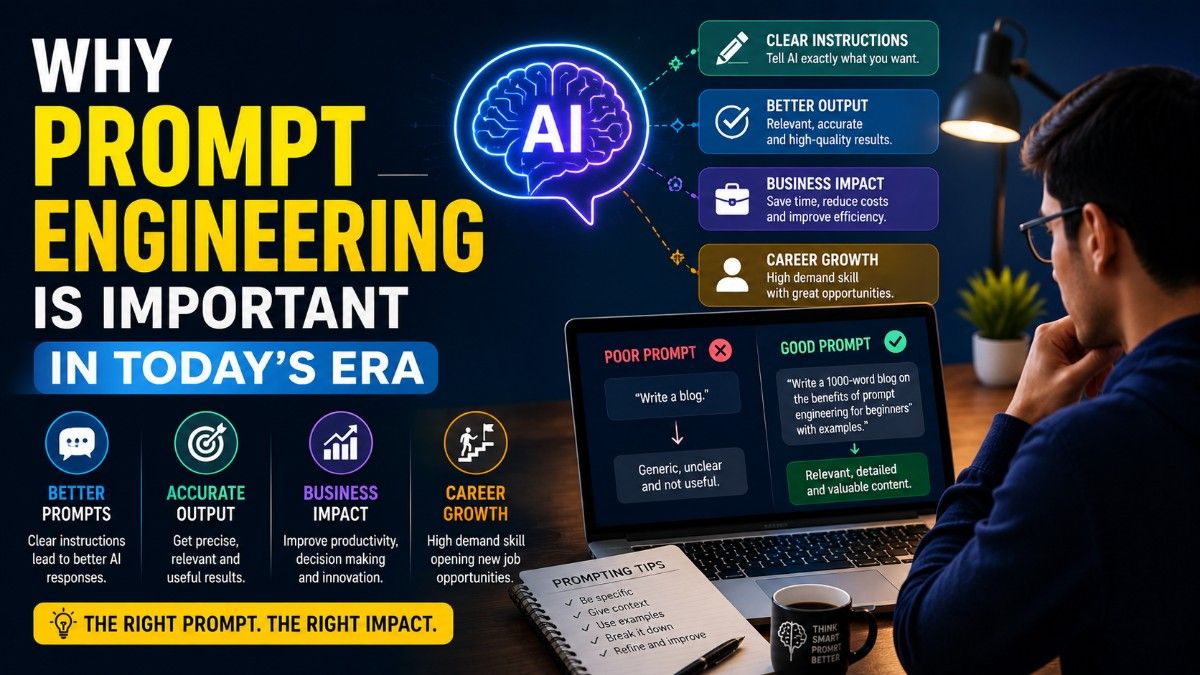
- Follow a three-step validation: prompt control, factual verification, and style enforcement.
AI essay writer for corporate reports: what it can and cannot do
AI-driven natural language generation can draft executive summaries, standardize section headings, and convert data points into readable paragraphs, but it does not replace domain experts. For corporate report automation and other business writing AI tools, the most reliable value is time savings on first drafts, consistent tone application, and rapid iteration on language variants.
How to evaluate an AI solution for business writing
Checklist: WRITE framework
Apply the WRITE checklist before deploying any AI tool:
- Requirements — Define target audiences, regulatory needs, and approval gates for each document type.
- Workflow — Map who drafts, who reviews, and where version control lives (e.g., content management or document repository).
- Inputs — Standardize data sources, tables, and prompts; lock sensitive inputs behind secure connectors.
- Tone — Create style snippets, approved phrases, and a glossary to enforce corporate voice.
- Evaluate — Design measurement: accuracy rate, editing time saved, and reviewer satisfaction.
Practical integration steps for corporate report automation
Step-by-step
- Identify repeatable sections: executive summary, methodology, standard disclosures.
- Create template prompts with fixed variables (date, period, key metrics) and variable prompts for narrative interpretation.
- Run small pilots with a single report type and track edits required to reach publishable quality.
- Enforce review gates: legal, finance, and communications must sign off before publication.
- Log all AI-assisted changes in the document history for auditability.
Security, compliance, and governance
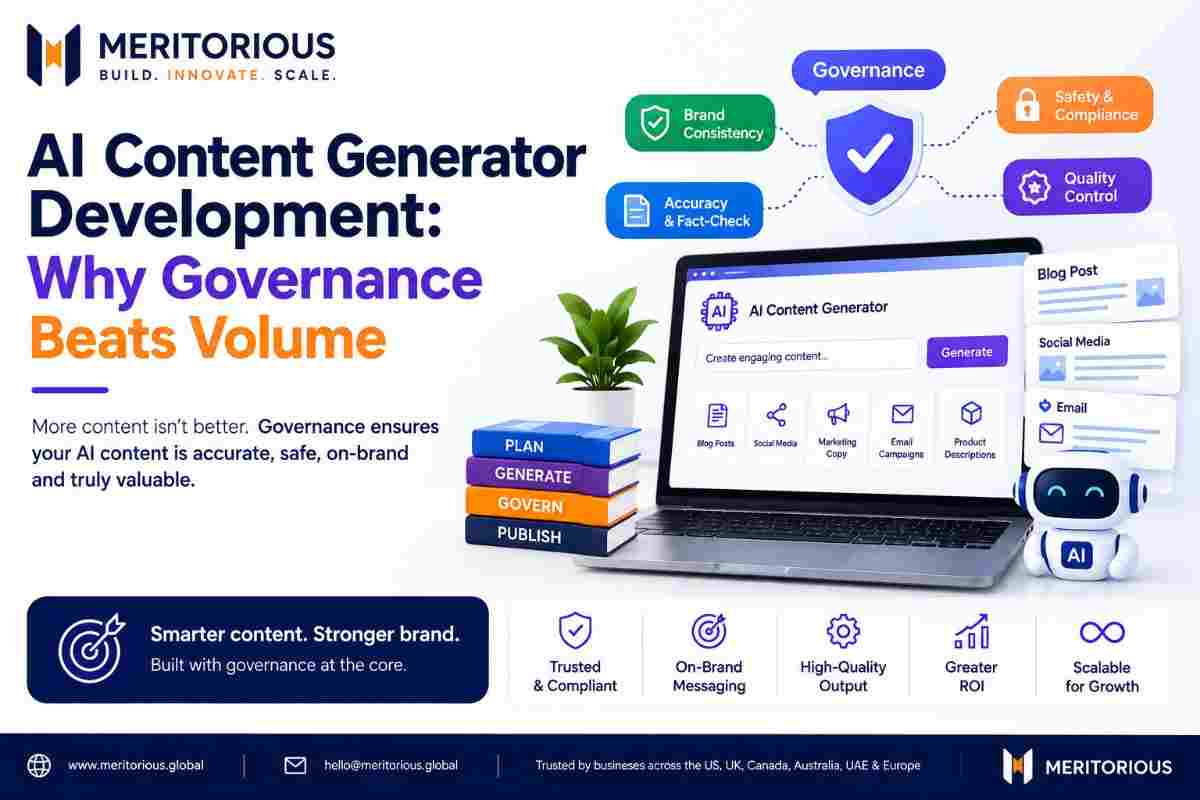
Ensure data handling meets corporate security standards and regulatory obligations. Follow guidance such as the National Institute of Standards and Technology's AI resources to build an AI governance baseline: NIST AI resources. Restrict use of raw financial data in public or cloud-based prompts unless the provider supports approved data connectors and encryption.
Editing and quality control: keeping output accurate and on-brand
Validation checklist
- Fact-check all numeric values against source systems.
- Run tone and style checks against the corporate style guide and approved glossary.
- Use a red-team review for sensitive claims and regulatory language.
Common mistakes and trade-offs
Using an AI essay writer for corporate reports introduces trade-offs:
- Speed vs. accuracy — Faster drafts require more thorough fact-checking to catch hallucinations or outdated data.
- Consistency vs. nuance — Templates produce consistent language but can remove nuanced commentary that subject-matter experts add.
- Automation vs. control — Greater automation reduces manual effort but increases the need for governance and traceability.
Common mistakes include treating AI output as final without verification, feeding confidential data into tools without secure connectors, and failing to maintain an up-to-date glossary of approved terminology.
Practical tips for immediate improvement
- Keep prompts modular: separate data injection from narrative instructions so the same template can be reused safely.
- Create a small library of approved opening sentences and transitions to anchor tone and reduce variation.
- Require an explicit citation line under each AI-generated paragraph that lists the data sources used.
- Run automated checks for numeric consistency across the document (cross-check totals and key ratios programmatically).
- Train reviewers on typical AI failure modes—hallucinations, inconsistent units, and context loss—so edits focus on high-risk areas.
Real-world example: quarterly earnings executive summary
A communications team used an AI-generated executive summary as a first draft for a quarterly earnings release. The AI produced a concise paragraph that translated revenue and margin tables into narrative. Financial control reviewed numbers for accuracy and corrected two revenue recognition statements. The final summary retained most AI phrasing but included human-edited risk commentary and legal-approved disclosures. Total edit time dropped by 40% while maintaining compliance and readability.
Measuring success
Track these KPIs: average drafting time per report, number of factual edits per section, reviewer satisfaction scores, and incident reports related to data exposure or regulatory noncompliance. Use version logs to quantify where AI saved time and where human intervention remained necessary.
FAQ
How to use an AI essay writer for corporate reports?
Use it to generate first drafts for repetitive sections, then apply a structured review: data verification, legal/financial sign-off, and style enforcement. Keep templates, a glossary, and explicit citation fields to maintain control.
Are business writing AI tools secure for confidential corporate data?
Security depends on the provider and integration method. Use tools with enterprise-grade encryption, approved data connectors, and clear data residency policies. Avoid pasting raw confidential data into public interfaces.
Can AI-generated executive summaries be customized to a corporate voice?
Yes—use approved prompt templates, a corporate glossary, and example training snippets to tune tone. Always validate the output against the style guide.
What governance is necessary for corporate report automation?
Implement role-based approvals, audit trails, access controls, and a documented policy defining acceptable AI use per document type. Include legal and compliance in the approval workflow.
How to detect and fix AI hallucinations in business writing?
Cross-check any factual claims and numeric values against source systems, require explicit citations in the draft, and flag unsupported assertions during review. Use automated consistency checks for numbers and dates where possible.