How Can AI Make Insurance Customer Service More Efficient
-
- Published Updated
- 4,133 views
Insurance has always depended on trust, timely communication, accurate information, and efficient service. Yet many insurers still rely on manual processes for customer calls, policy inquiries, renewals, lead follow-ups, claims communication, and routine service requests.
As customer expectations continue to rise, insurers need faster ways to respond without compromising accuracy or service quality. This is where AI for Insurance is becoming increasingly valuable.
Insurance companies are using intelligent technologies across underwriting, pricing, claims, customer service, marketing, and fraud detection. For insurers, the goal is not simply to replace manual work. It is to create faster processes, improve customer engagement, reduce repetitive workloads, and give employees more time to focus on conversations that require human judgment.
Why AI for Insurance Is Becoming Important
Insurance involves thousands of customer interactions every day. Customers may call to ask about policy benefits, premium payments, renewal dates, claim status, documentation, eligibility, or coverage details.
Many of these conversations are repetitive but still require quick and accurate responses.
Traditional customer service teams can struggle when call volumes increase. Customers may experience long waiting times, repeated transfers, delayed callbacks, or inconsistent responses.
AI for Insurance can help insurers handle these high-volume interactions more efficiently.
The technology can assist with routine conversations, collect information, provide approved policy-related responses, schedule callbacks, qualify leads, and route complex cases to human representatives.
Recent industry discussions also show that insurers are moving toward broader use of AI across core functions rather than treating it only as a productivity tool.
What Is Insurance Automation?
Insurance automation refers to using technology to streamline repetitive insurance processes that would otherwise require substantial manual effort.
This can include:
- Customer support
- Policy inquiries
- Renewal reminders
- Lead follow-ups
- Premium reminders
- Claim-status communication
- Customer verification
- Appointment scheduling
- Document-related communication
- Upselling and cross-selling
- Customer feedback collection
When automation is combined with voice communication, customers can interact with an automated phone system through natural conversations instead of navigating complicated menus.
This makes Insurance Automation particularly useful for insurers managing large customer bases and high call volumes.
Key Use Cases of AI for Insurance
The applications of AI for Insurance extend across multiple stages of the customer journey.
Policy Information and Customer Support
Customers frequently need straightforward information about their policies.
A voice agent can answer approved questions about coverage, benefits, renewal procedures, required documents, and other routine topics.
This can reduce the workload on customer service representatives while giving policyholders faster access to information.
Renewal Reminders
Policy renewals require timely communication. Missing a renewal opportunity can affect both the customer and the insurer.
Automated calls can remind customers about upcoming renewals, explain the next steps, answer basic questions, and schedule a follow-up with a human advisor when required.
Lead Qualification
Insurance businesses receive leads through websites, partner channels, advertisements, and other sources. Calling every lead manually can be time-consuming.
Automated voice conversations can contact prospects, understand their requirements, identify their level of interest, and pass qualified prospects to sales teams.
Upselling and Cross-Selling
Existing customers may be eligible for additional products, upgrades, or complementary coverage.
Automated conversations can identify relevant opportunities based on customer information and initiate conversations at suitable times.
Weya AI's published Kotak Life case study reports a 40% increase in upsell and cross-sell conversions through automated warm-lead engagement.
Claims Communication
Claims are often among the most important moments in the customer relationship.
Automated systems can help with routine claim-status inquiries, document reminders, appointment scheduling, and communication about next steps.
Complex or sensitive cases can be transferred to trained human representatives.
How Voice AI Supports Insurance Automation
Voice communication remains an important channel for insurance because many customers prefer speaking with a representative rather than navigating websites or applications.
Modern voice systems can support both inbound and outbound conversations.
For example, an insurer can use automated calls to:
- Follow up with new leads
- Remind customers about renewals
- Explain basic policy information
- Confirm appointments
- Collect required information
- Follow up on incomplete applications
- Conduct customer surveys
- Provide claim-status updates
- Re-engage existing customers
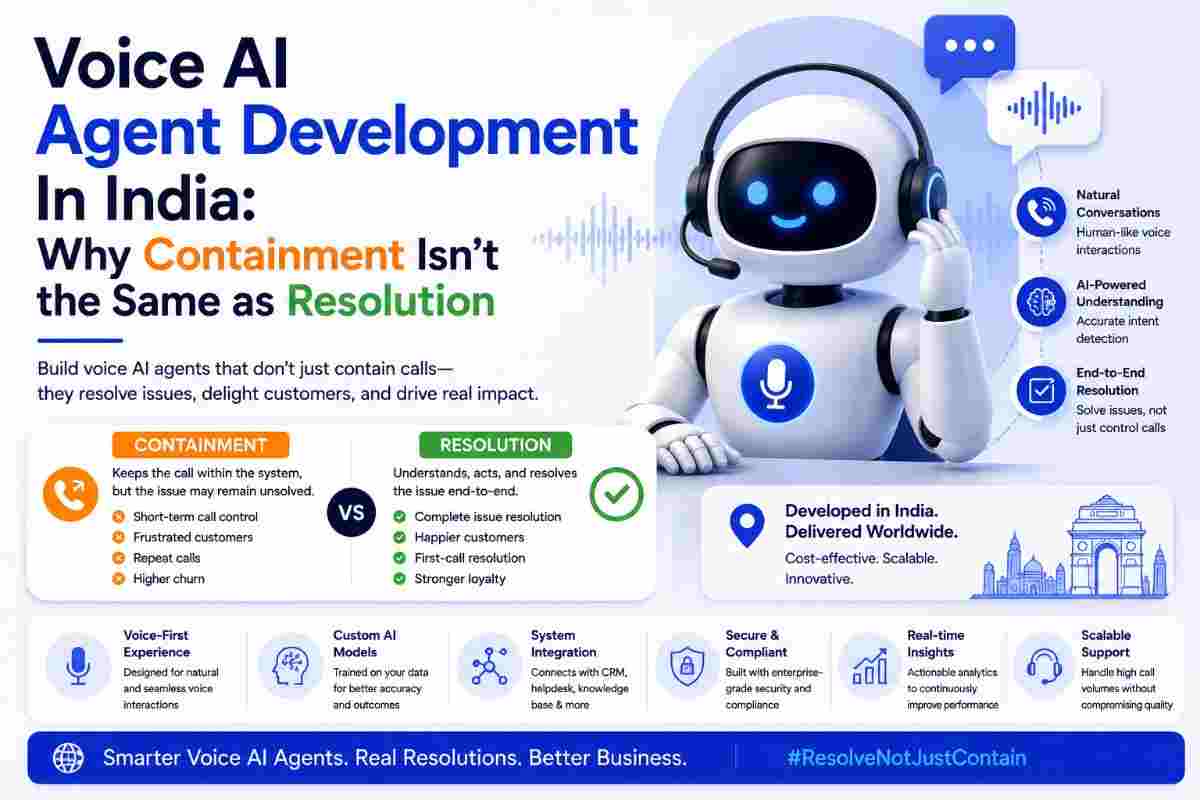
Weya AI's Voice AI platform supports inbound and outbound calls, multilingual conversations, automatic callbacks, CRM synchronization, human handoff, and workflow-based automation.
This allows insurers to build automated communication around specific business processes rather than relying on a single generic call flow.
Benefits of AI for Insurance Companies
Implementing AI for Insurance can deliver benefits across customer service, sales, and operations.
Faster Customer Responses
Automated systems can respond immediately instead of requiring customers to wait for an available representative.
This is particularly useful for routine questions and high-volume periods.
Reduced Repetitive Work
Customer service employees often spend significant time answering similar questions and making repeated follow-up calls.
Automation can take over suitable routine tasks and allow employees to focus on complex cases.
Consistent Communication
Automated workflows can follow approved scripts, knowledge sources, and business rules.
This helps insurers maintain greater consistency across customer interactions.
Better Lead Coverage
A lead that is not contacted quickly may become difficult to convert.
Automated calling can provide timely follow-ups and reduce the number of leads that remain untouched.
Greater Scalability
Human teams have limits on the number of conversations they can handle simultaneously.
Automated voice systems can support large call volumes and help insurers manage demand without continuously expanding their customer-service teams.
Weya AI states that its Voice AI platform can handle thousands of concurrent calls and provides multilingual customer support.
Improving Customer Experience Through Voice Automation
Insurance can be difficult for customers because policies often contain unfamiliar terminology and complicated conditions.
A well-designed voice experience can make communication easier by explaining information conversationally and guiding customers through the next step.
Instead of forcing customers through long IVR menus, an automated voice agent can understand the reason for the call and respond accordingly.
For example:
Customer: “I want to know what documents I need for my claim.”
Voice Agent: “I can help with that. Your claim type requires the following documents…”
The interaction can then continue based on the customer's response.
This approach can make routine service more convenient while keeping human representatives available for cases that require judgment or empathy.
AI for Insurance Lead Follow-Up and Sales
Insurance sales often depend on consistent follow-up.
A prospect may request information but become unavailable when a sales representative calls. Another prospect may need additional information before making a decision.
Automated voice workflows can manage these follow-ups systematically.
The system can:
- Contact the prospect.
- Confirm interest.
- Understand basic requirements.
- Answer the approved questions.
- Schedule a callback.
- Share the prospect's information with the sales team.
- Escalate high-intent conversations.
Weya AI's Kotak Life case study describes automated warm-lead engagement for term insurance and reports that 95% of warm leads were contacted within 15 minutes, alongside a reported 70% reduction in cost per warm-lead engagement.
Claims and Policyholder Support
Claims require careful handling because customers may already be dealing with a stressful situation.
Automation should therefore focus on practical assistance rather than attempting to replace human judgment in sensitive cases.
Suitable automated tasks can include:
- Claim-status updates
- Document reminders
- Appointment confirmations
- Basic process explanations
- Follow-up notifications
- Information collection
- Routing requests to the appropriate team
Human representatives can remain responsible for disputes, complex claims, complaints, exceptions, and other cases where personal judgment is important.
Multilingual Customer Communication
Insurance providers often serve customers who speak different languages.
Language barriers can create friction during important conversations, especially when customers need to understand policy information or complete a process.
Weya AI supports conversations across 25+ languages on its Voice AI product page and describes automatic language switching during calls.
For insurers operating across multiple regions, multilingual voice automation can help provide a more accessible customer experience.
Human Handoff and Responsible Automation
Not every insurance conversation should be automated.
Some situations require empathy, professional judgment, regulatory knowledge, or detailed case analysis.
A strong Insurance Automation strategy should therefore include clear escalation rules.
For example, a voice system can handle a routine policy inquiry but transfer the customer to a human representative when:
- The customer disputes a decision.
- A complaint is raised.
- The case involves an unusual exception.
- Sensitive information requires human review.
- The customer specifically requests an employee.
- The conversation becomes too complex for the automated workflow.
Weya AI includes human handoff capabilities so automated conversations can be transferred when human involvement is needed.
How Weya AI Supports Insurance Automation
Weya AI provides voice-based automation designed for high-volume customer workflows.
Its platform can support inbound and outbound calls, CRM synchronization, scheduled callbacks, multilingual communication, knowledge-base-driven responses, workflow building, and human handoffs.
For insurance companies, these capabilities can be applied to workflows such as
- Lead nurturing
- Policy inquiries
- Renewal reminders
- Upselling and cross-selling
- Customer support
- Claim-related communication
- Follow-up calls
The platform also showcases insurance-specific use cases and reports results from its work with Kotak Life.
Insurers interested in exploring voice-based customer automation can learn more about Weya AI Voice AI.
What Insurers Should Consider Before Implementation
Before adopting AI for Insurance, organizations should define the processes they want to automate.
Starting with every customer interaction at once can make implementation unnecessarily complicated.
A better approach is to begin with a specific, measurable workflow.
Insurers should evaluate:
- Which customer interactions are repetitive?
- Which calls have clear business rules?
- Where are customers experiencing delays?
- Which processes generate high call volumes?
- Which conversations require human judgment?
- What customer and policy data must be accessed?
- How will conversations be monitored?
- How will human escalation work?
- What privacy and regulatory requirements apply?
Data protection and governance are particularly important because insurance workflows often involve sensitive customer information. Industry leaders are also highlighting data security, privacy, compliance, and modernization of legacy systems as important considerations when expanding AI adoption.
The most effective implementations are likely to combine automation with clear governance, human oversight, reliable data, and measurable business outcomes.
Conclusion
AI for Insurance is changing how insurers approach customer service, lead engagement, claims communication, and repetitive operational processes.
The biggest opportunity is not simply automating calls. It is creating a connected customer experience where routine conversations are handled quickly, information is delivered consistently, and human teams can concentrate on cases that require expertise and judgment.
With the right approach, Insurance Automation can help insurers improve response times, increase follow-up coverage, reduce repetitive workloads, and create more convenient customer experiences.
Voice automation is especially valuable for insurers that manage large volumes of customer conversations. Platforms such as Weya AI provide capabilities for multilingual calling, CRM integration, automated callbacks, workflow automation, and human escalation, making it possible to build insurance-specific communication workflows at scale.
The future of insurance will not be defined by automation alone. It will be defined by how effectively insurers combine technology, data, compliance, and human expertise to serve customers better.
FAQs
What is AI for Insurance?
AI for Insurance refers to the use of artificial intelligence technologies to support insurance processes such as customer service, underwriting, claims, fraud detection, lead engagement, pricing, and policy management.
How does Insurance Automation help insurers?
Insurance Automation can reduce repetitive manual work, improve response times, provide consistent customer communication, and help teams manage high volumes of customer interactions more efficiently.
Can voice automation be used for insurance customer service?
Yes. Voice automation can support policy inquiries, renewal reminders, lead follow-ups, claim-status communication, customer verification, appointment scheduling, and other routine interactions.
Can AI handle insurance leads?
Yes. Automated voice workflows can contact leads, identify interest, answer approved questions, collect information, schedule callbacks, and transfer high-intent prospects to human advisors.
Can AI support insurance claims?
It can support routine claim-related communication, including status updates, document reminders, information collection, and next-step guidance. Complex claims should remain subject to appropriate human review.
Does Insurance Automation replace human insurance agents?
Not necessarily. A well-designed automation strategy uses technology for repetitive tasks while human representatives handle complex, sensitive, or high-value conversations.
Can AI for Insurance support multiple languages?
Yes. Modern voice platforms can support multilingual customer conversations. Weya AI, for example, states that its Voice AI platform supports 25+ languages and automatic language switching.
How can an insurance company start with automation?
Companies can begin with one high-volume, repetitive workflow such as lead follow-up, renewal reminders, policy inquiries, or customer support. The workflow can then be measured and expanded based on results.