Can AI Replace Traditional Japanese Language Classes
-

- Published Updated
- 5,009 views
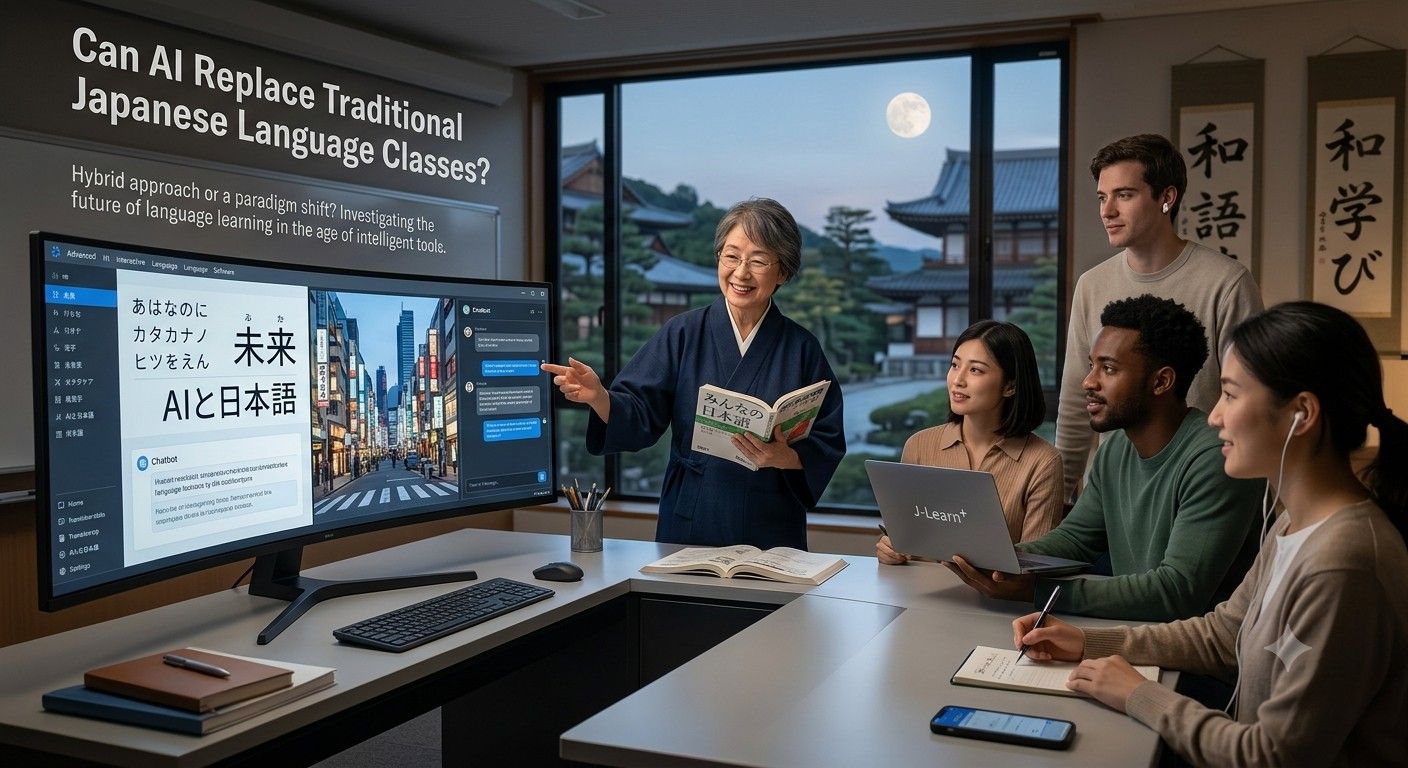
Artificial Intelligence (AI) is transforming education by making learning more interactive, personalized, and accessible. Language learners now have access to AI-powered tools that can help with vocabulary, grammar, pronunciation, and daily practice. While these innovations have made learning easier, an important question remains: Can AI truly replace traditional Japanese language classes?
The answer is more balanced than a simple yes or no. AI is an excellent learning companion, but it cannot fully replace the experience, guidance, and human interaction provided by professional instructors. Students looking for Japanese coaching in GTB Nagar often benefit from combining classroom learning with AI-powered study tools to achieve the best results.
In this article, we'll explore the strengths and limitations of AI in Japanese language learning and why traditional classes continue to play a vital role.
The Rise of AI in Language Learning
AI has introduced several features that support language learners throughout their journey.
These include:
- Personalized learning plans
- Vocabulary practice
- Grammar suggestions
- Pronunciation analysis
- Interactive quizzes
- Progress tracking
These tools help students practice regularly and improve their language skills outside the classroom.
Benefits of AI for Japanese Learners
AI offers many advantages that make learning more flexible and convenient.
Some key benefits include:
Learn Anytime and Anywhere
AI-powered platforms allow students to study according to their own schedules.
Learners can:
- Review vocabulary
- Practice grammar
- Listen to Japanese conversations
- Complete exercises
- Revise previous lessons
This flexibility makes it easier to maintain a consistent learning routine.
Personalized Learning Experience
Every learner progresses differently.
AI can adjust lessons based on:
- Learning speed
- Previous performance
- Strengths
- Areas that need improvement
This personalized approach helps learners stay motivated and focused.
Instant Feedback
AI can immediately identify mistakes in:
- Vocabulary usage
- Grammar
- Pronunciation
- Sentence formation
- Spelling
Quick corrections help learners improve more efficiently during self-study.
Why Traditional Japanese Classes Still Matter
Although AI provides useful learning support, traditional classes offer several advantages that technology cannot fully replace.
Expert Guidance
Experienced teachers understand how students learn.
They can:
- Explain difficult grammar concepts
- Answer questions in detail
- Adapt teaching methods
- Provide personalized advice
- Correct subtle language mistakes
This level of guidance is difficult for AI to replicate completely.
Real Conversation Practice
Language learning is about communication.
Traditional classrooms provide opportunities to:
- Participate in discussions
- Practice speaking with classmates
- Improve listening skills
- Build confidence in conversations
- Receive live corrections
Speaking with real people develops practical communication skills much faster.
Understanding Japanese Culture
Learning Japanese involves more than memorizing vocabulary and grammar.
Teachers help students understand:
- Cultural traditions
- Social etiquette
- Formal and informal speech
- Business communication
- Everyday expressions
These cultural insights are essential for natural communication.
AI Cannot Replace Human Motivation
Learning a language requires discipline and encouragement.
Teachers motivate students by:
- Celebrating progress
- Providing constructive feedback
- Encouraging participation
- Setting realistic goals
- Helping learners overcome challenges
Human support often keeps students committed throughout their learning journey.
Preparing for Japanese Language Exams
Many learners study Japanese to prepare for proficiency examinations.
Traditional classes provide:
- Structured study plans
- Mock tests
- Doubt-clearing sessions
- Writing practice
- Speaking assessments
- Individual feedback
Teachers understand exam patterns and help students prepare more effectively.
The Best Approach Is Combining AI and Classroom Learning
Rather than replacing teachers, AI works best as a supportive learning tool.
Students attending Japanese coaching in GTB Nagar can use AI to:
- Review classroom lessons
- Practice vocabulary daily
- Improve pronunciation
- Strengthen listening skills
- Track learning progress
Combining technology with classroom instruction creates a balanced learning experience.
Tips for Learning Japanese Successfully
To achieve steady progress:
- Practice every day.
- Revise vocabulary regularly.
- Listen to native Japanese speakers.
- Participate actively in class.
- Speak without fearing mistakes.
- Complete writing exercises.
- Use AI tools for additional practice.
- Learn about Japanese culture alongside the language.
Consistency remains the most important factor in language learning.
The Future of Japanese Language Education
As AI technology continues to improve, it will become an even more valuable learning assistant. Future tools may offer smarter practice exercises, personalized study plans, and more interactive conversations.
However, experienced teachers will continue to play an essential role by providing human interaction, cultural understanding, personalized feedback, and real communication practice that AI cannot fully replace.
Conclusion
AI has significantly improved language learning by making education more accessible, flexible, and personalized. It offers valuable support through vocabulary practice, pronunciation feedback, and interactive exercises. However, traditional Japanese classes remain essential because they provide expert instruction, real conversations, cultural understanding, and personal motivation. For students considering Japanese coaching in GTB Nagar, combining classroom learning with AI-powered tools offers the most effective path to building strong Japanese language skills and achieving long-term success.