AI-Driven SEO in Nagpur: Technologies Shaping Local Search
-

- February 23rd, 2026
- 1,331 views

FREE SEO Topical Map Generator: Find Your Next Content Ideas
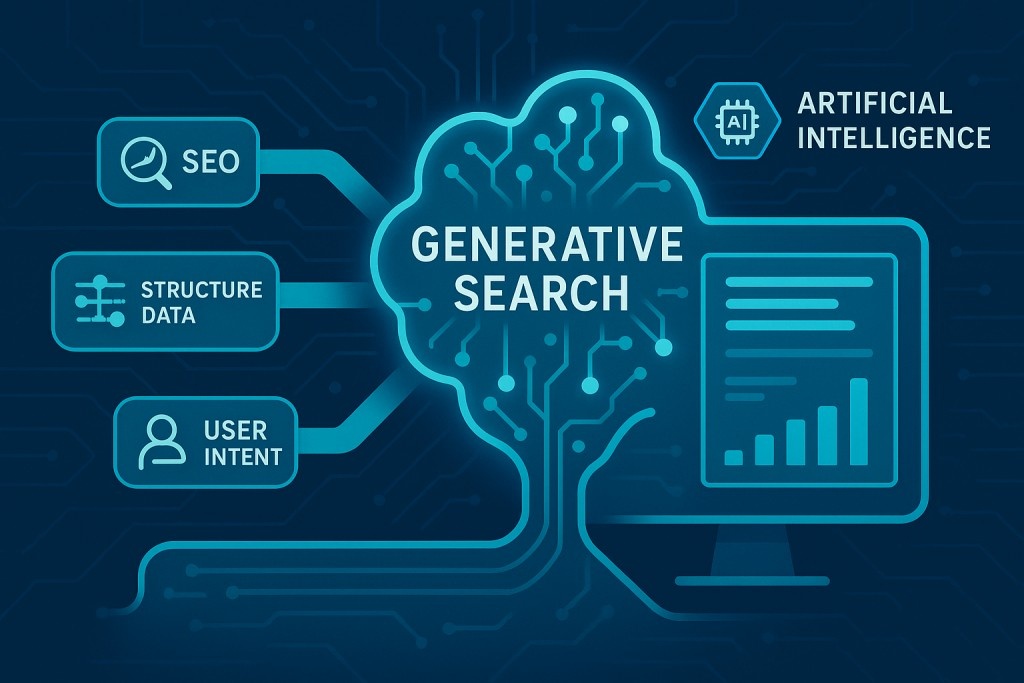
AI technologies for SEO in Nagpur are changing how local businesses are discovered online, from improving local search results to automating content workflows. Understanding the key AI approaches—machine learning, natural language processing (NLP), knowledge graphs and voice recognition—helps web teams and marketers adapt to evolving search engine algorithms and user behavior.
- Core AI technologies shaping SEO include machine learning, NLP, and deep learning.
- Local SEO in Nagpur is influenced by voice search, regional language processing, and structured data.
- Measurement focuses on intent signals, click-through rates, engagement, and local rankings.
- Privacy, data quality, and alignment with search engine guidelines remain essential.
AI technologies for SEO in Nagpur: key categories
Several AI methods contribute directly to search relevance and discoverability. Machine learning models power ranking adjustments and personalization; NLP models interpret queries and content; knowledge graphs connect entities and local facts; and computer vision helps index images and video content. Together these AI capabilities refine how search engines and assistants match user intent to local results.
How specific AI technologies affect local search
Machine learning and ranking signals
Machine learning (ML) is used by search engines to weigh signals such as relevance, freshness, user engagement and local prominence. ML-driven ranking adapts to patterns in user behavior, meaning local businesses in Nagpur that improve user satisfaction metrics (time on site, low bounce on relevant pages) can see ranking benefits.
Natural language processing (NLP) and semantic understanding
NLP models analyze query intent and content semantics, enabling search engines to connect conversational or regional-language queries with appropriate pages. For Nagpur, processing Marathi, Hindi and English phrases improves matching for multilingual audiences and long-tail queries.
Knowledge graphs and structured data
Knowledge graphs aggregate facts about businesses, locations and services. Using structured data (schema.org markup) and consistent business listings helps ensure that information about addresses, opening hours and services is discoverable and accurate in local panels and rich results.
Voice search and conversational AI
Voice assistants rely on ASR (automatic speech recognition) and NLP to interpret spoken queries. Optimizing content for natural language questions and featured snippets increases the chance of being returned for voice queries, which are growing for local searches like "near me" and service inquiries in Nagpur.
Practical applications for businesses in Nagpur
Local content optimized for intent
Create clear service pages, FAQs and location pages that reflect user intent. Use regional language variations, conversational phrasing, and structured Q&A markup to help NLP systems match queries to local content.
Structured data and business listings
Implement structured data for local businesses, products and events to increase the likelihood of enhanced search features. Maintain consistency across Google Business Profile entries, local directories and site metadata to reduce data fragmentation.
User experience and mobile optimization
Mobile-first indexing and page experience metrics remain important. Fast-loading, accessible pages with clear contact details and location signals improve both user satisfaction and AI-driven ranking outcomes.
Measuring impact: metrics and evaluation
Evaluation should combine traditional SEO metrics with intent-focused measures. Track organic impressions and clicks for local queries, query-to-conversion paths, dwell time on local pages, and rankings for location-specific keywords. Use A/B testing for content variations and monitor changes in click-through rate and engagement after implementing AI-informed optimizations.
Data, privacy and governance considerations
Collecting and using behavioral data to inform AI-driven SEO should respect applicable regulations and privacy expectations. In India, organizations may refer to guidance from national regulators and governance frameworks when handling user data. Maintain transparent data practices, limit collection to what is necessary for analytics, and provide clear privacy notices to users.
Alignment with search engine guidance
Adhering to search engine best practices reduces risk and improves long-term visibility. Official guidance for content quality, structured data and webmaster policies provides actionable constraints and recommendations for AI-augmented SEO workflows. For authoritative technical guidance, consult Google Search Central for documentation on indexing, structured data and search quality signals.
Adoption roadmap for local teams
Start with data hygiene: consistent NAP (name, address, phone), accurate business listings, and clean analytics. Add structured data, optimize content for local intent and measure changes. Where feasible, pilot AI-assisted tools for content analysis, local keyword research and intent classification, while monitoring results and refining based on user behavior.
Which AI technologies for SEO in Nagpur should local businesses prioritize?
Prioritize machine learning-informed analytics to understand local user behavior, NLP for multilingual content optimization, and structured data to improve local knowledge panels. Voice search readiness and mobile experience are practical priorities for immediate gains.
Can AI replace human judgment in local SEO?
AI can automate analysis and suggest optimizations, but human oversight remains essential for understanding brand context, regional nuances and business strategy. Combine AI tools with editorial review and local market knowledge for best results.
How long before AI-driven changes affect local rankings?
Timeline varies by market and the scale of changes. Some improvements, such as updated structured data or faster pages, can influence results within weeks; other effects that depend on behavioral signals and machine learning models may take several months to materialize.
What privacy steps should be taken when using AI tools?
Limit collection of personal data to what is necessary, anonymize datasets when possible, and provide clear privacy notices. Review vendor practices and ensure compliance with applicable national guidelines and organizational policies.