Can an AI Text Humanizer Help Refresh Old Content for Readers?
-

- Published Updated
- 1,617 views
Old content does not always need to be thrown away. A blog post, website page, or article that was written months or years ago may still contain useful information. The problem is that its language can become outdated, repetitive, or difficult to read.
Many website owners have pages that could benefit from a simple refresh. Instead of writing everything again from the beginning, they can review the existing content, update important details, and improve the way the text is written.
An AI Text Humanizer can be useful during this process. It can help make existing or AI-assisted content sound more natural and readable while giving the writer a starting point for further editing.
Why Does Old Content Need a Refresh?
Writing styles change over time. A sentence that sounded normal several years ago may now feel unnecessarily formal or outdated.
Older articles can also contain long paragraphs, repeated phrases, complicated wording, or information that no longer matches what readers want to know.
Refreshing content gives you an opportunity to look at the page from a new perspective.
Instead of asking only whether the information is still there, ask whether the content is easy to understand and genuinely useful for today's reader.
Updating Information Is Only One Part of the Job
When people refresh an old article, they often focus on changing dates, adding new information, or removing outdated sections.
Those changes are important, but the writing itself also deserves attention.
An article can contain accurate information and still feel difficult to read. Long sentences may slow the reader down. Repeated expressions may make the article feel monotonous.
Improving the language can give an old page a completely different reading experience.
How an AI Text Humanizer Fits Into Content Refreshing
An AI Text Humanizer can be used after you identify sections that need rewriting.
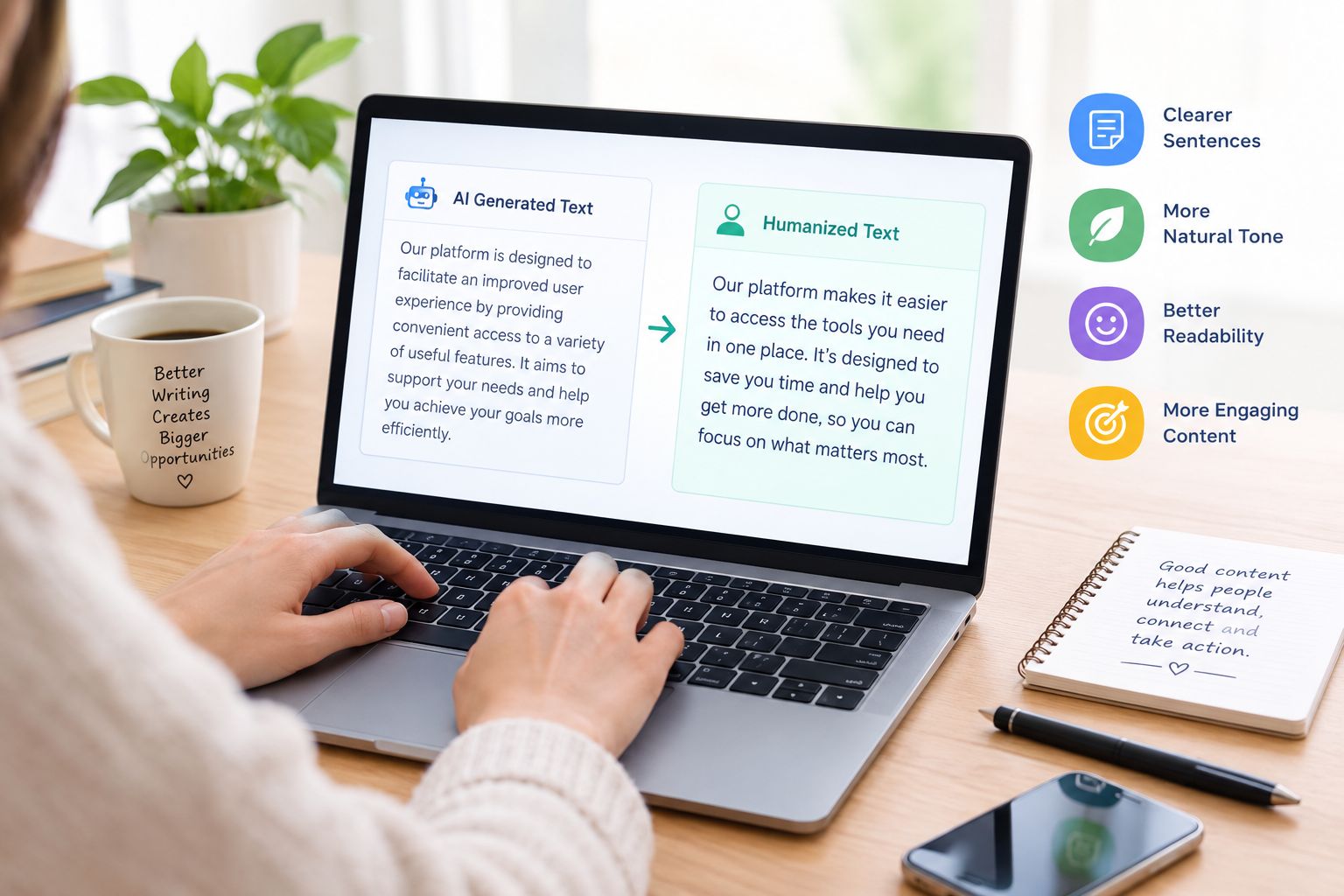
For example, an old paragraph may contain overly formal language or several sentences with almost identical structures. Instead of manually rewriting every line, you can use a humanizer to help create a smoother version.
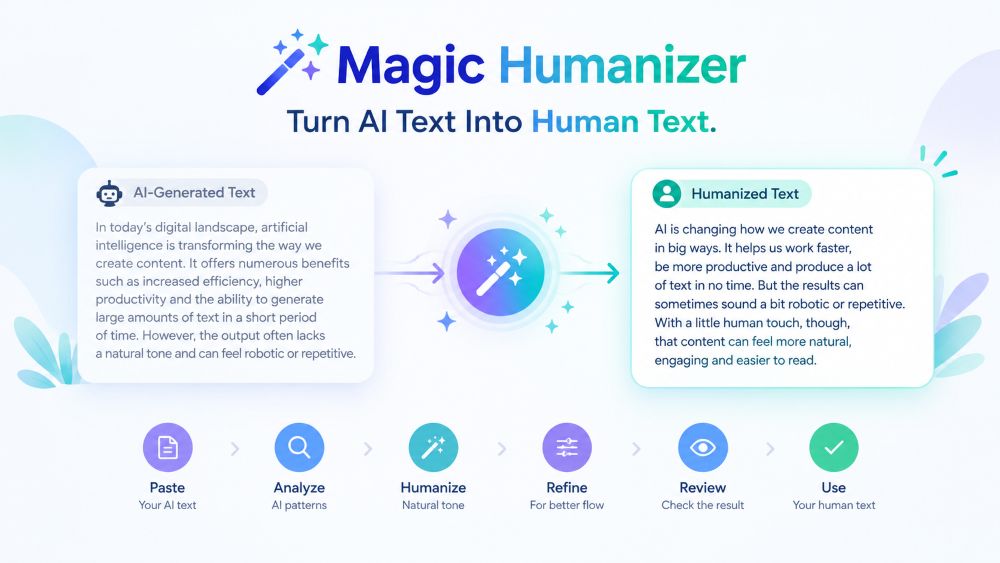
Magic Humanizer is designed to help make AI-generated or AI-assisted text more natural, clear, and readable.
After using it, the writer can compare the revised version with the original and decide which changes are actually useful.
The goal is not to change everything. It is to improve the parts that need improvement.
Refreshing Content Can Make It Easier to Read
Readers often scan online content rather than reading every word carefully.
That makes clear headings, short paragraphs, useful explanations, and natural language important.
When refreshing an old article, look for sections that contain too much information in one paragraph. Consider whether a sentence can be explained more simply.
You can also remove repeated ideas that do not add anything new.
A humanizer can help with the language, while the writer decides what information should remain.
Old Content Can Still Have a Strong Foundation
One advantage of updating existing content is that you already have a starting point.
The original article may contain useful research, examples, explanations, or ideas that would take time to recreate.
Rather than replacing the entire article, you can improve its weakest sections.
This approach can be especially helpful for websites with large content libraries. Reviewing every page from scratch can take considerable time, while targeted improvements can make the process more manageable.
Adding a More Natural Voice
Older website content sometimes sounds different from the way a company communicates today.
Maybe the brand has become more friendly. Perhaps the audience has changed. Or the website now uses simpler language across newer pages.
Refreshing older content gives you a chance to create a more consistent voice.
An AI humanizer can assist with sentence-level improvements, but the writer should add the personal details and brand-specific information that automated rewriting cannot know.
A useful example, a clearer explanation, or a direct answer to a common customer question can make an old page feel much more relevant.
What Should You Check Before Republishing?
Before publishing refreshed content, read the entire page rather than only the sections you changed.
Make sure the information is still correct. Check dates, names, examples, product details, links, and any claims that may have changed.
Then look at the writing.
Does the article flow naturally? Are some ideas repeated? Does the tone match the rest of the website? Is the main answer easy to find?
These checks help ensure that the refreshed page is not simply newer but also more useful.
AI Humanizing Is Not a Substitute for Content Knowledge
A humanizer can improve wording, but it cannot automatically know whether a statement is correct for your business or industry.
That is why human review remains important.
For example, a tool may improve the grammar of a sentence while the underlying information is no longer accurate. The sentence may sound better, but it still needs to be corrected.
The person managing the content should always make the final decisions about facts, examples, and recommendations.
Can Refreshed Content Feel Completely New?
It can feel much fresher without becoming an entirely different article.
Changing outdated information, improving weak explanations, removing repetition, reorganizing sections, and making the language more natural can significantly improve an older page.
The key is to focus on the reader.
Instead of refreshing content simply to make it look new, ask what would make the page more helpful today.
That mindset can lead to more meaningful improvements.
Frequently Asked Questions
What is an AI Text Humanizer?
An AI Text Humanizer is a tool that helps improve AI-generated or AI-assisted writing by making the language more natural, clear, and readable.
Can an AI humanizer help update old blog posts?
It can help with rewriting and improving the wording of older content. However, outdated facts and information should be checked separately before the article is republished.
Can Magic Humanizer be used for existing website content?
Yes. Magic Humanizer can be useful when reviewing existing website pages, blog posts, SEO content, and other writing that needs clearer or more natural wording.
Should I rewrite an entire old article?
Not always. Some articles only need certain sections updated. Reviewing the content first can help you identify which parts actually need rewriting.
Does humanizing old content automatically make it better?
No. Humanizing can improve wording and readability, but useful content also needs accurate information, clear explanations, and details that match the reader's needs.
Why does old website content sometimes sound outdated?
Writing styles, audiences, products, services, and brand voices can change over time. Language that once felt appropriate may no longer match the website or its readers.
Should I review content after using a humanizer?
Yes. Always read the final version carefully. Check accuracy, meaning, tone, and whether the content still provides useful information.
Final Thoughts
Refreshing old content can be a practical way to improve a website without starting every article from a blank page. An existing article may already contain valuable ideas; it may simply need better information and clearer writing.
An AI Text Humanizer can help during the editing stage by improving sentence flow and making outdated or awkward wording feel more natural. Magic Humanizer can be part of that workflow, while human review ensures the final content remains accurate and useful.
The best content refresh is not about changing words for the sake of change. It is about making an existing page more relevant, readable, and helpful for the people who visit it today.