What Is an Aluminium Spacer and Where Is It Used in Modern Industries?
-

- Published Updated
- 5,962 views
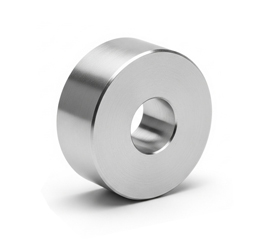
Modern industries rely heavily on precision-engineered components to maintain structural integrity, ensure proper alignment, and enhance product performance. Among these components, an aluminium spacer plays a significant role in numerous manufacturing and assembly applications. Due to its lightweight nature, corrosion resistance, and excellent machinability, an aluminium spacer has become a preferred choice for industries seeking durable yet cost-effective spacing solutions.
Whether used in electronics, automotive assemblies, renewable energy systems, or industrial machinery, aluminium spacers provide accurate separation between components while helping reduce overall equipment weight. As manufacturers increasingly demand customized solutions, the need for high-quality spacers continues to grow across various sectors.
Understanding an Aluminium Spacer
An aluminium spacer is a cylindrical, hexagonal, or custom-shaped component designed to create a fixed distance between two parts in an assembly. It serves multiple purposes, including maintaining alignment, preventing damage caused by excessive tightening, reducing vibration, and supporting structural stability.
Aluminium is particularly suitable for spacer manufacturing because it offers several advantages over traditional materials. It combines strength with low density, making it ideal for applications where weight reduction is essential without compromising durability.
Spacers are available in various configurations, including:
- Round Spacer
- Hex Spacer
- Female-Female Spacer
- Male-Female Spacer
- Hollow Spacer
Manufacturers can also produce custom aluminium spacers according to customer specifications, allowing businesses to meet unique dimensional and performance requirements.
Key Properties That Make Aluminium an Ideal Spacer Material
Lightweight Construction
One of aluminium's biggest advantages is its low density. Compared to steel and many other metals, aluminium significantly reduces component weight, making it beneficial for industries focused on energy efficiency and portability.
This characteristic is especially valuable in aerospace and automotive applications, where minimizing weight contributes to improved fuel efficiency and overall performance.
Corrosion Resistance
Aluminium naturally forms an oxide layer that protects the surface from corrosion. This resistance allows spacers to perform reliably in outdoor environments, humid conditions, and mildly corrosive industrial settings.
Unlike untreated steel components, aluminium spacers require minimal maintenance, contributing to longer service life.
Excellent Machinability
Aluminium is relatively easy to machine, drill, thread, and finish. Manufacturers can achieve high dimensional accuracy and tight tolerances, ensuring consistency in critical assemblies.
The material also supports the production of highly specialized custom aluminium spacers, making it suitable for industries that require precision-engineered components.
Good Thermal Conductivity
Aluminium effectively transfers heat, which can be beneficial in electronic systems where thermal management is essential. Spacers can help dissipate heat generated by electronic devices, improving system reliability and lifespan.
Common Industries That Use Aluminium Spacers
Electronics Industry
The electronics sector is one of the largest consumers of aluminium spacers.
They are commonly used in:
- Printed circuit boards (PCBs)
- Control panels
- Telecommunications equipment
- Server racks
- Power supply assemblies
- LED lighting systems
Spacers help maintain proper clearance between circuit boards and housings while reducing the risk of short circuits and mechanical stress.
As electronic devices continue becoming smaller and more compact, precision spacers play a crucial role in ensuring efficient component placement.
Automotive Industry
Vehicle manufacturers constantly seek lightweight materials to improve fuel economy and reduce emissions.
Aluminium spacers are widely used in automotive applications such as:
- Dashboard assemblies
- Sensor mounting systems
- Battery packs
- Lighting modules
- Engine compartment components
- Electric vehicle structures
The combination of strength and reduced weight makes aluminium spacers an excellent choice for modern transportation technologies.
Aerospace Sector
Weight reduction is a major priority within aerospace engineering.
Aircraft manufacturers utilize aluminium spacers in:
- Interior cabin panels
- Instrumentation systems
- Structural assemblies
- Communication equipment
- Navigation devices
Because aluminium provides high strength-to-weight performance, it supports efficient aircraft operation while meeting strict industry standards.
Renewable Energy Systems
Solar and wind energy projects increasingly depend on aluminium-based components.
Spacers are often used in:
- Solar panel mounting systems
- Inverter assemblies
- Battery energy storage units
- Electrical enclosures
Their corrosion resistance makes them particularly suitable for outdoor installations exposed to changing weather conditions.
Industrial Machinery
Heavy-duty manufacturing equipment contains numerous components that require precise alignment and spacing.
Examples include:
- CNC machines
- Packaging equipment
- Conveyor systems
- Hydraulic assemblies
- Automation equipment
Aluminium spacers help maintain consistent positioning, minimize vibration, and improve operational reliability.
Advantages of Choosing Custom Aluminium Spacers
Standard spacers can satisfy many general requirements, but specialized applications often demand tailored solutions.
This is where custom aluminium spacers offer significant benefits.
Precision Dimensions
Manufacturers can produce spacers according to exact customer drawings, including:
- Inner diameter
- Outer diameter
- Length
- Thread specifications
- Surface finish
- Material grade
This ensures seamless integration into existing assemblies.
Design Flexibility
Custom production allows engineers to optimize spacer geometry for specific applications.
Companies can request:
- Hexagonal profiles
- Flanged designs
- Multi-step spacers
- Anodized finishes
- Lightweight hollow constructions
Customization helps improve assembly efficiency and overall product quality.
Cost Optimization
Although custom components may initially appear more expensive, they often reduce total manufacturing costs by minimizing modifications, installation errors, and maintenance requirements.
Precision-made spacers also contribute to longer equipment life and reduced downtime.
Aluminium Spacer Compared with Other Spacer Materials
Manufacturers often evaluate different materials before selecting spacers.
Aluminium vs Steel
Aluminium offers superior weight savings and better corrosion resistance, while steel generally provides higher load-bearing capacity.
Applications emphasizing portability and environmental resistance typically favor aluminium.
Aluminium vs Brass Spacer
A brass spacer provides excellent corrosion resistance and attractive aesthetics. Brass also performs well in electrical applications due to its conductivity.
However, aluminium remains substantially lighter and is usually more economical for large-scale production projects.
Aluminium vs Copper Spacer
A copper spacer offers exceptional electrical and thermal conductivity, making it highly suitable for specialized electrical systems.
Nevertheless, copper is heavier and more expensive than aluminium, which limits its use in applications where minimizing weight is critical.
Future Trends in Spacer Manufacturing
Advancements in precision machining technologies continue shaping spacer production.
Several trends are influencing the market:
- Increased demand for lightweight materials
- Growing adoption of electric vehicles
- Expansion of renewable energy infrastructure
- Greater emphasis on customized components
- Improved CNC machining capabilities
As industries prioritize efficiency, sustainability, and performance, aluminium spacers are expected to remain an essential component in modern manufacturing.
Conclusion
An Aluminium Spacer is much more than a simple separating component. Its lightweight properties, corrosion resistance, machinability, and versatility make it indispensable across numerous industries, including electronics, automotive, aerospace, renewable energy, and industrial manufacturing.
With increasing demand for precision-engineered solutions, custom aluminium spacers are becoming an important choice for companies seeking improved performance, design flexibility, and long-term reliability. By selecting the right spacer material and configuration, manufacturers can enhance assembly quality, reduce maintenance costs, and support the development of advanced industrial technologies.