American Boxwood Care Guide for UK Gardens: Buxus sempervirens Uses and Maintenance
-

- Published Updated
- 1,605 views
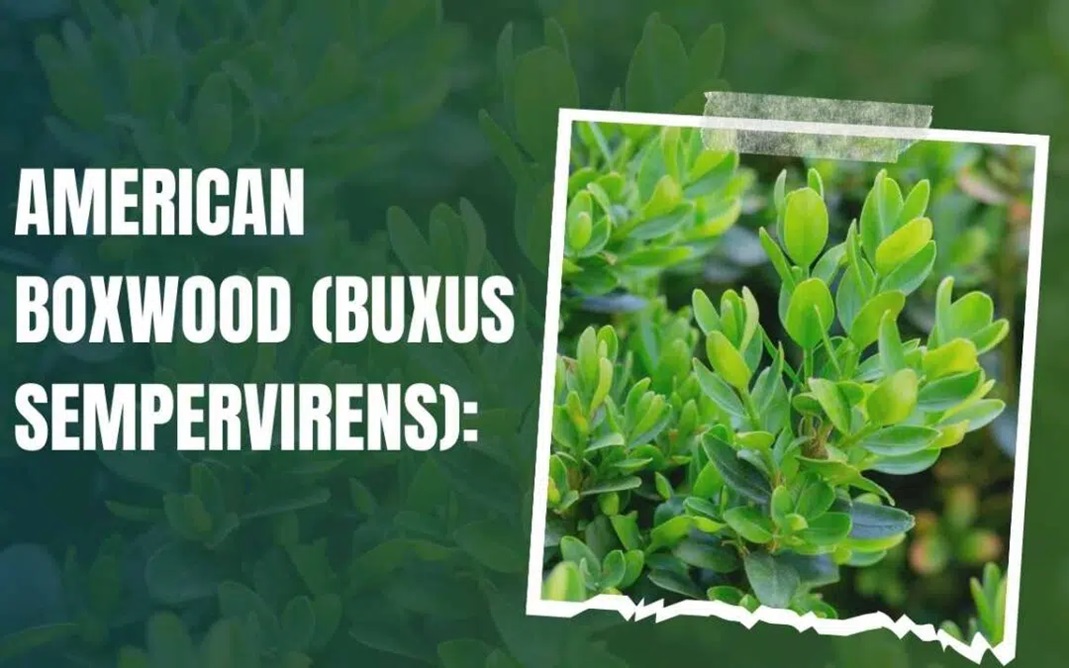
American Boxwood (Buxus sempervirens): Overview
American Boxwood is a slow-growing evergreen shrub valued in UK gardens for its dense foliage, tolerance of heavy pruning and classical formality. Often used for low hedging, topiary and container planting, Buxus sempervirens provides year-round structure in borders and formal layouts. This guide outlines selection, planting, routine care, common pests and propagation methods suited to the UK climate.
- Species: Buxus sempervirens (American Boxwood).
- Habit: Evergreen, slow-growing shrub; suitable for hedging and topiary.
- Soil: Fertile, well-drained; tolerates neutral to alkaline pH.
- Light: Full sun to partial shade; afternoon shade benefits in hot sites.
- Key concerns: Box blight, box tree moth, waterlogging and salt exposure.
Planting and Site Selection
Soil and position
Choose a site with well-drained soil; American Boxwood prefers soil that does not remain waterlogged. A neutral to slightly alkaline soil pH suits the species, though it tolerates a range of soils. In exposed coastal locations, some protection from salt-laden winds reduces leaf scorch. Plant where roots will not sit in standing water to reduce root-rot risk.
Spacing and planting technique
For hedging, space plants according to desired mature size: closer spacing for quicker screens, wider for slower fills. When planting, dig a hole twice the root-ball width, set the root crown slightly above the surrounding soil level if drainage is poor, backfill with original soil, firm gently and water in. Mulch with organic material to conserve moisture and suppress weeds, keeping mulch away from direct contact with the stem base.
Maintenance and Pruning
Routine pruning
American Boxwood responds well to regular light pruning to maintain shape. Pruning in late spring after new growth has flushed reduces the risk of winter dieback on fresh cuts. For formal hedges and topiary, small, frequent trims are preferable to heavy annual cuts. Avoid cutting back into old wood that lacks leaves, as regeneration can be slow.
Watering and feeding
Establish young plants with regular watering during the first year. Thereafter, water during prolonged dry spells, particularly for container-grown specimens. A balanced, slow-release fertiliser applied in spring can support healthy growth; test soil if nutrient deficiency is suspected. Avoid over-fertilising, which can produce soft growth more susceptible to pests and disease.
Pests, Diseases and Management
Common pests
Box tree moth and other defoliating insects can damage foliage. Regular inspection of leaves and stems helps detect infestations early. For authoritative guidance on identification and control options, consult horticultural resources such as the Royal Horticultural Society for current management recommendations and biosecurity advice: RHS.
Diseases to watch for
Box blight (cylindrocladium/volutella species) causes leaf browning and dieback and is a significant concern in many regions. Good sanitation—removing infected material, avoiding overhead watering, and spacing plants to improve air movement—helps reduce disease pressure. Confirm diagnosis with local plant health services or horticultural extension advice when symptoms appear.
Landscape Uses and Design
Hedges, edging and topiary
Because of its fine, small leaves and dense branching, American Boxwood is a classical choice for low formal hedging and decorative edging around beds and paths. It also trains well into balls, cones and geometric shapes for topiary. For contemporary or mixed borders, combine box with herbaceous perennials and spring bulbs to add seasonal interest.
Container planting
Boxwood can be grown successfully in containers, provided the container offers adequate drainage and is large enough for root development. Container specimens tend to dry out faster and may need more frequent watering and seasonal feeding.
Propagation and Replacement
Methods of propagation
Propagation is commonly by semi-ripe cuttings taken in summer or by layering. Cuttings placed in a free-draining cutting compost with bottom heat or a protected frame can root within weeks to months. Seed propagation is possible but slower and less commonly used for maintaining cultivar characteristics.
Replacing plants
If replacement is necessary due to disease or age, select healthy, certified stock from reputable nurseries and follow local biosecurity guidance to reduce the spread of pests and pathogens. Consider diversifying plantings with alternative evergreens in locations with known pest or disease history.
Suitability and Hardiness
Climate tolerance
American Boxwood is generally hardy across much of the UK, tolerant of mild frost. In exposed or upland sites, cold and drying winds can cause winter leaf scorch; providing windbreaks or planting where there is shelter improves survival. For guidance on local suitability, consult regional horticultural services or botanical institutions such as the Royal Botanic Gardens, Kew for species records and cold hardiness data.
FAQ
Is American Boxwood suitable for small UK gardens?
Yes. American Boxwood is well suited to small gardens because of its slow growth rate and the ease with which it can be maintained as a low hedge, clipped edging or container specimen. Regular pruning keeps size manageable while preserving form.
How often should American Boxwood be pruned?
Light pruning two to three times a year during the growing season keeps formal shapes tidy; major structural pruning is best avoided and carried out sparingly.
What are the signs of box blight and box tree moth?
Box blight shows as brown patches on leaves, defoliation and cankers on stems. Box tree moth damage appears as chewed leaves, webbing and severe defoliation. Early detection and correct identification improve management options.
Can American Boxwood be grown in shade?
American Boxwood tolerates partial shade and can handle deeper shade better than some sun-loving shrubs, though dense shade may reduce vigour and increase susceptibility to disease.
When is the best time to plant American Boxwood?
Planting in spring or autumn when soils are workable gives roots time to establish before summer drought or winter frost. Avoid planting in prolonged wet conditions that impede root development.