Complete Annapurna Base Camp Trek Guide: Routes, Costs, and Preparation
-

- Published Updated
- 1,699 views
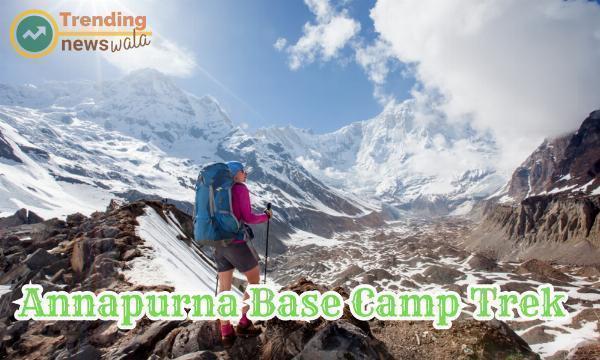
The Annapurna Base Camp trek is a popular high-altitude hike in Nepal that leads into the heart of the Annapurna massif. This overview explains route options, timing, permits, altitude considerations and practical logistics for people planning a trek to Annapurna Base Camp.
- Typical duration: 7–12 days from Pokhara or Nayapul
- Distance: ~70–80 km round-trip depending on approach
- Highest point: 4,130 m (Annapurna Base Camp)
- Difficulty: Moderate to strenuous; altitude and steep sections
- Permits: ACAP permit and TIMS card required
- Best seasons: Spring (Mar–May) and autumn (Sep–Nov)
- Starting point: Pokhara (usual gateway) or Nayapul
About the Annapurna Base Camp trek
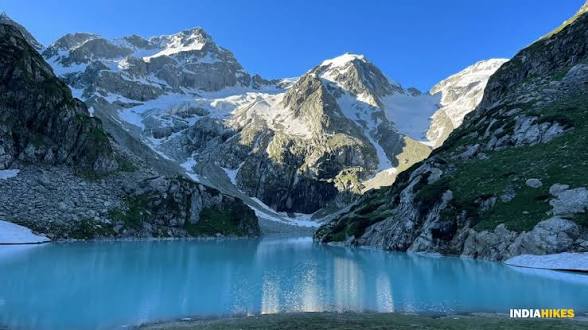
The Annapurna Base Camp trek takes hikers through the diverse ecosystems of the Annapurna Conservation Area, passing rhododendron forests, terraced farmland, traditional Gurung and Magar villages, and high alpine scenery. The trek finishes at the amphitheatre-like base of Annapurna I (8,091 m) and offers views of nearby peaks such as Machapuchare (Fishtail) and Annapurna South.
Planning and timing
Best seasons
Spring (March to May) and autumn (September to November) are the most stable seasons for trekking, with clear skies and moderate temperatures. The post-monsoon autumn window often provides the clearest mountain views. Winter brings cold temperatures and possible snow at higher elevations; the monsoon season (June–August) brings heavy rain and leeches at lower elevations.
Duration and fitness
Typical itineraries range from 7 to 12 days depending on pace and acclimatization. The route includes sustained uphill and downhill sections; a reasonable level of cardiovascular fitness and leg strength improves comfort. Acclimatization days reduce the risk of altitude-related problems.
Route overview and sample itinerary
Common approaches
Most treks begin in Pokhara with a drive to Nayapul or Ulleri and proceed via Ghorepani (sometimes via Poon Hill), Chomrong, and Bamboo to reach Machapuchare Base Camp and then Annapurna Base Camp (ABC). Alternative approaches exist from Jhinu Danda or via a longer circuit that includes Ghandruk.
Sample 10-day itinerary
Day 1: Pokhara to Nayapul and trek to Ulleri or Tikhedhunga. Day 2: Ulleri to Ghorepani. Day 3: Early morning Poon Hill sunrise (optional) then Ghorepani to Tadapani/Chomrong. Day 4: Chomrong to Bamboo. Day 5: Bamboo to Machapuchare Base Camp (MBC). Day 6: MBC to Annapurna Base Camp and return to Bamboo or MBC. Day 7–9: Return descent via Chomrong and Nayapul; drive to Pokhara. Day 10: Buffer/extra acclimatization day or travel day.
Permits, regulations and local authorities
Required permits
Entry to the Annapurna Conservation Area requires an ACAP (Annapurna Conservation Area Project) permit and a TIMS (Trekkers' Information Management System) card for independent trekkers. Permits are issued through the Department of National Parks and Wildlife Conservation offices, ACAP offices in Pokhara, and authorized agencies. For up-to-date permit rules and fees, consult the Nepal Tourism Board and ACAP information points.
For official information about travel to Nepal, see the Nepal Tourism Board: https://www.welcomenepal.com.
Local regulations
The Annapurna Conservation Area enforces regulations to protect biodiversity and local livelihoods. Camping is restricted in certain zones; most trekkers use teahouse lodges. Local staff and guides are regulated through district authorities and community-managed systems.
Safety, health and altitude
Altitude considerations
ABC reaches about 4,130 m. Altitude sickness is possible above 2,500–3,000 m. Proper acclimatization, gradual ascent, and awareness of symptoms (headache, nausea, dizziness) help manage risk. Organizations such as the Himalayan Rescue Association maintain clinics and provide altitude information in trekking regions.
Weather and trail hazards
Mountain weather can change rapidly. Trails may be steep, rocky or slippery in wet or icy conditions. Seasonal hazards include monsoon rainfall, cold nights, and limited daylight during shoulder seasons. Local teahouses provide basic shelter, meals and updates on trail conditions.
Packing, logistics and costs
Essential gear
Important items include layered clothing for variable temperatures, a warm sleeping bag suitable for 0°C or colder, sturdy trekking boots, rain protection, water purification means, sun protection and a small first-aid kit. Many trekkers arrange porter or mule support locally for heavy loads.
Costs and services
Costs vary by season, guide or agency choice, and accommodation standards. Typical expenses include local transport (Pokhara to trailhead), permits, teahouse meals, guide/porter fees if hired, and equipment. Local agencies and community lodges provide pricing estimates. Independent trekkers can usually manage lower daily costs but should plan for unexpected expenses.
Environmental and cultural considerations
Conservation practices
The Annapurna Conservation Area Project (ACAP) supports sustainable tourism, waste management and community development. Trekkers are encouraged to follow Leave No Trace principles, minimize plastic waste, and use designated trails and lodges to support local economies.
Cultural respect
Villages along the route follow local customs and hospitality traditions. Respectful behavior includes seeking permission before photographing people, observing local dress norms, and supporting community-run guesthouses.
FAQ
How difficult is the Annapurna Base Camp trek?
The trek is generally rated moderate to strenuous. Difficulty depends on pace, fitness, altitude tolerance and weather. Daily walking times commonly range from 4 to 8 hours with changes in elevation.
What permits are needed for the Annapurna Base Camp trek?
An ACAP permit and a TIMS card are normally required to enter the Annapurna Conservation Area. Permits are processed in Pokhara and at official ACAP offices; fees and processes can change, so check with local authorities.
When is the best time to do the Annapurna Base Camp trek?
Spring (March–May) and autumn (September–November) are considered the best seasons for stable weather and clear mountain views. Each season has trade-offs in crowding, temperatures and trail conditions.
Can the Annapurna Base Camp trek be done independently or is a guide required?
Independent trekking is common on this route, but hiring a licensed local guide or porter is recommended for navigation, cultural interpretation and logistical support—especially for less experienced trekkers or in high season. Local regulations and agency qualifications vary by district.