Complete Packing List for Kedarkantha Winter Trek: What to Carry
-

- April 09th, 2026
- 7,804 views

Preparing for the Kedarkantha Winter Trek is not just about carrying more layers. It is about carrying the right combination of gear that works in sub-zero temperatures, snow conditions, and multi-day trekking environments.
Many trekkers either overpack unnecessary items or miss critical gear that directly impacts comfort and safety. In winter, small mistakes such as poor layering or incorrect footwear can turn a good trek into an exhausting or even risky experience.
This guide explains what to carry for the Kedarkantha Winter Trek from a technical and practical perspective, so you pack efficiently without compromising on safety or comfort.
Understanding Winter Conditions on Kedarkantha
Before packing, it is important to understand what you are preparing for. The Kedarkantha Winter Trek typically experiences mild cold during the day and extreme sub-zero conditions at night. Snow-covered trails, cold winds near the summit, and limited drying options for wet gear make packing strategy critical.
Unlike summer treks, you cannot rely on adjusting clothing during the trek. You need a planned layering system that allows you to regulate body temperature without sweating excessively, as moisture can quickly lead to discomfort in cold conditions.
The Layering System: Core of Winter Packing
The most important concept in winter trekking is layering. Instead of carrying bulky clothing, you carry multiple layers that can be added or removed based on activity level and temperature.
The base layer sits closest to your skin and is responsible for moisture management. It should be made of synthetic or merino wool material that dries quickly and keeps you warm even if slightly damp.
The mid layer provides insulation. Fleece jackets or lightweight insulated jackets work well here, as they trap body heat while remaining breathable.
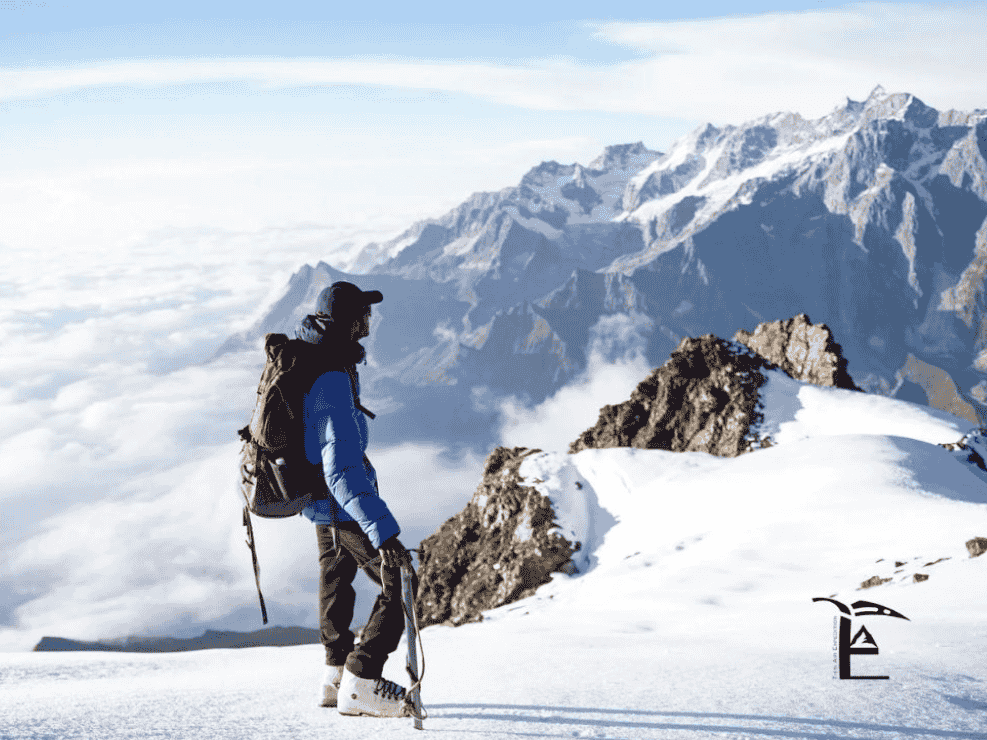
The outer layer acts as protection against wind and external moisture. A good-quality windproof or waterproof jacket is essential, especially for summit day when wind exposure increases significantly.
This system allows you to stay warm without overheating during climbs and prevents rapid heat loss during rest periods.
Footwear: The Most Critical Gear
Footwear is one of the most important decisions for the Kedarkantha Winter Trek. Regular sports shoes are not suitable for snow conditions. You need trekking shoes with good grip, ankle support, and water resistance.
Snow can easily seep into shoes, making your feet cold and uncomfortable. Wet feet in sub-zero temperatures can quickly become a serious issue. Proper trekking shoes combined with good-quality woolen socks help maintain warmth and prevent blisters.
Gaiters are also highly recommended in winter. They prevent snow from entering your shoes while walking through deep sections, which significantly improves comfort.
Backpack and Load Management
A well-fitted backpack is essential for carrying your gear efficiently. A 50–60 liter backpack is generally sufficient for a multi-day winter trek like Kedarkantha.
The key is not just capacity but organization. Heavier items should be placed close to your back, while frequently used items such as gloves, water, and snacks should be easily accessible.
Overpacking is a common mistake. Carrying unnecessary weight increases fatigue, especially in snow conditions where each step already requires more effort.
Clothing Essentials: What You Actually Need
Clothing should be selected based on function rather than quantity. You need a combination of thermal wear, insulating layers, and protective outerwear.
Thermal tops and bottoms act as your base layer and are essential for maintaining warmth during both trekking and sleeping. Trekking pants should be quick-drying and flexible, allowing easy movement while walking.
A down or heavy insulated jacket is necessary for evenings and early mornings when temperatures drop significantly. This is not something you wear while trekking but is critical during rest periods.
Gloves are often underestimated. You should ideally carry both inner gloves and insulated outer gloves to maintain dexterity and warmth. Similarly, a woolen cap or balaclava is essential to protect your head and ears from cold winds.
Sleeping and Night Comfort
Night temperatures during the Kedarkantha Winter Trek can drop significantly, making proper sleeping arrangements important. While trekking companies usually provide sleeping bags, you should ensure they are rated for sub-zero temperatures.
Carrying a liner can add extra warmth and improve hygiene. Wearing dry thermals at night is also important, as moisture from the day can make you feel colder.
Hydration and Nutrition Essentials
One of the most overlooked aspects of winter trekking is hydration. Cold weather reduces the sensation of thirst, but your body still loses fluids.
Carrying insulated water bottles helps prevent water from freezing. Regular sipping, even when not thirsty, is important for maintaining energy levels.
High-energy snacks such as nuts, energy bars, and chocolates are useful for quick energy during trekking hours.
Personal Accessories That Make a Difference
Small accessories often have a big impact on comfort. Sunglasses are essential in snow conditions to protect your eyes from glare. Sunscreen is equally important, as UV exposure increases at higher altitudes.
Trekking poles are highly recommended for Kedarkantha, especially during descent. They reduce strain on knees and improve balance on snow-covered trails.
A headlamp is another essential item, particularly for summit day when you start trekking early in the morning.
What Not to Carry
One of the biggest mistakes trekkers make is carrying unnecessary items. Heavy clothing that cannot be layered, multiple pairs of jeans, or excessive gadgets only add weight without providing value.
Avoid cotton clothing, as it retains moisture and increases the risk of getting cold. Also, avoid packing items “just in case” unless they serve a clear purpose in winter conditions.
Costing Insight: Gear vs Renting
For many trekkers, buying all winter gear may not be practical. Renting items such as jackets, trekking poles, and gaiters is a cost-effective option.
However, certain items like shoes and base layers should ideally be personal, as fit and hygiene are important. The key is to invest in essentials and rent specialized gear if needed.
Why Choose Trekup India for Kedarkantha Winter Trek
Packing correctly is only one part of the experience. The execution of the trek plays an equally important role.
Trekup India is known as a trusted trekking company in India and Nepal, offering well-organized winter treks with experienced leaders, proper safety protocols, and reliable logistics. Their support ensures that trekkers can focus on the experience without worrying about operational challenges.
Final Verdict
Packing for the Kedarkantha Winter Trek is about precision, not quantity. The right gear ensures warmth, comfort, and safety, while unnecessary items only add weight and fatigue.
If you focus on layering, proper footwear, and essential accessories, you can handle winter conditions effectively and enjoy the trek to its fullest.
FAQs
1.What should I carry for Kedarkantha Winter Trek
Focus on layered clothing, proper trekking shoes, gloves, and essential accessories like sunglasses and trekking poles.
2.Is heavy jacket necessary for Kedarkantha
Yes, a down or insulated jacket is essential for cold nights and early mornings.
3.Can I rent gear for Kedarkantha Trek
Yes, many items like jackets and gaiters can be rented, but shoes should be personal.
4.How cold does Kedarkantha get
Temperatures can drop below -10°C in winter, especially at night.