Everest Base Camp Trek 2026
-

- Published Updated
- 6,044 views
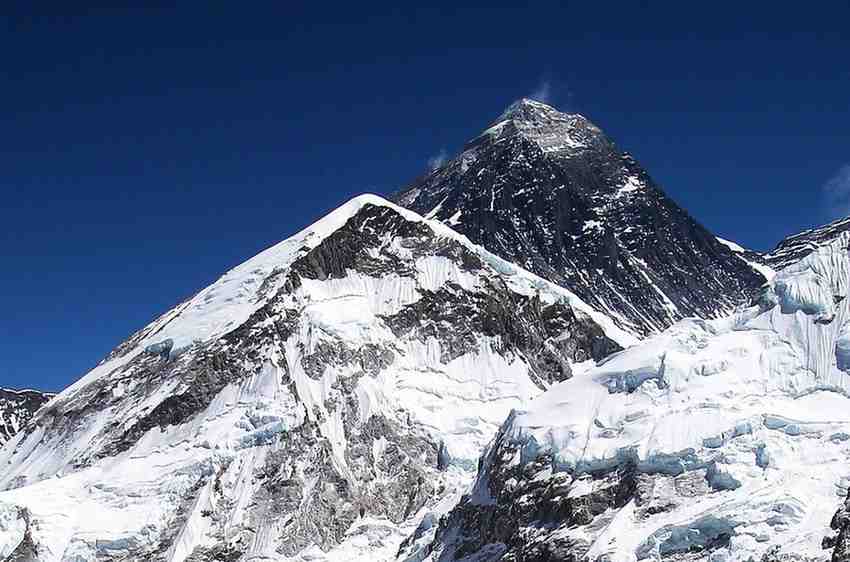
Everest Base Camp Trek: A Journey to the Foot of the World's Highest Mountain
The Everest Base Camp Trek is one of the most iconic trekking adventures in the world, attracting thousands of trekkers each year to the heart of Nepal's Himalayas. Reaching Everest Base Camp at 5,364 meters offers a unique combination of breathtaking mountain scenery, rich Sherpa culture, and a rewarding sense of achievement.
The Adventure Begins: Flight to Lukla
Most Everest Base Camp itineraries start with a scenic flight from Kathmandu to Lukla, home to the famous Tenzing-Hillary Airport. Known for its short runway and dramatic mountain setting, Lukla Airport is often considered one of the most thrilling airports in the world.
The flight itself provides stunning aerial views of rolling hills, deep valleys, and snow-capped peaks before landing in the gateway to the Everest region. For travelers who prefer to avoid flying, alternative routes via Phaplu and Surke are also available, allowing trekkers to begin their journey on foot before joining the main trail near Lukla.
Trekking Through the Khumbu Region
From Lukla, the trail follows the Dudh Koshi River through traditional Sherpa villages, pine forests, and suspension bridges adorned with colorful prayer flags. Along the route, trekkers are treated to spectacular views of Himalayan giants, including Ama Dablam, Thamserku, and eventually Mount Everest itself.
One of the most important stops along the trek is Namche Bazaar, the bustling trading hub of the Khumbu region. Situated at an altitude of 3,440 meters, Namche serves as a crucial acclimatization point where trekkers can adjust to the increasing elevation while exploring local markets, cafes, and cultural attractions.
Acclimatization and Everest View Hotel
Proper acclimatization plays a vital role in a successful Everest Base Camp trek. During the acclimatization day in Namche, many trekkers hike to the Everest View Hotel, one of the highest-placed hotels in the world.
This short but rewarding hike offers panoramic views of Everest, Lhotse, Nuptse, Ama Dablam, Thamserku, Kusum Kanguru, and other Himalayan peaks. Following the principle of "climb high, sleep low," trekkers return to Namche for the night, helping their bodies adapt to the altitude.
Reaching Everest Base Camp and Kala Patthar
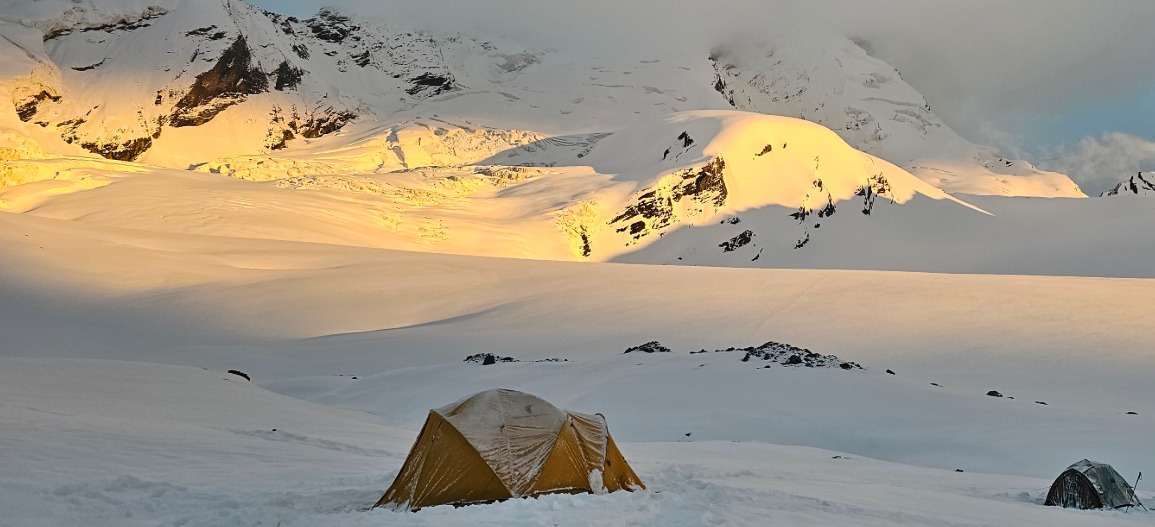
As the journey continues through Tengboche, Dingboche, Lobuche, and Gorak Shep, the landscape becomes increasingly dramatic. Trekkers pass glaciers, moraines, and rugged alpine terrain before finally arriving at Everest Base Camp.
Standing at the base of the world's highest mountain is a memorable experience, offering close-up views of the Khumbu Icefall and surrounding Himalayan peaks. Although Everest itself is not fully visible from Base Camp, the sense of accomplishment makes the destination truly special.
Many trekkers also choose to hike Kala Patthar (5,545 meters), widely regarded as the best viewpoint in the Everest region. The sunrise view from Kala Patthar showcases Everest, Nuptse, Lhotse, Pumori, and countless other peaks illuminated by the morning light, creating one of the most unforgettable moments of the entire trek.
Sherpa Culture and Mountain Hospitality
Beyond the mountain scenery, the Everest Base Camp Trek offers a fascinating cultural experience. Trekkers pass through traditional Sherpa settlements, visit ancient monasteries, and gain insight into the lifestyle of the people who have called the Himalayas home for generations.
Accommodation is typically provided in local teahouses, where visitors can enjoy warm hospitality, traditional meals, and comfortable lodging throughout the journey.
Choosing the Right Everest Base Camp Trek
There are several variations of the Everest Base Camp Trek available to suit different fitness levels and travel preferences. Standard itineraries generally take around 12 to 14 days, while longer programs with additional acclimatization days are often recommended for beginners and older trekkers seeking a more comfortable pace.
For those planning this Himalayan adventure, it is important to select an itinerary that balances safety, acclimatization, and overall trekking experience to maximize the chances of successfully reaching Everest Base Camp.
Best Time to Trek to Everest Base Camp
Choosing the right season can significantly enhance your Everest Base Camp Trek experience. The most popular trekking periods are spring (March to May) and autumn (September to November), when weather conditions are generally stable and mountain views are at their best. Spring brings blooming rhododendron forests and comfortable temperatures, while autumn offers clear skies and excellent visibility after the monsoon season. Winter treks are possible for experienced adventurers seeking quieter trails, though temperatures can be extremely cold. The summer monsoon season is less popular due to frequent rain, cloudy conditions, and challenging trail conditions.