Why Anti-Lock Brakes Matter: How ABS Improves Vehicle Safety
-

- Published Updated
- 1,474 views
Anti-lock brakes are a common safety feature on modern vehicles that helps prevent wheel lockup during heavy braking, improving steering control and reducing the likelihood of a skid. Understanding how this anti-lock braking system (ABS) functions, its benefits and limits, and how it fits with other electronic safety systems can help drivers make informed decisions about vehicle safety.
- ABS prevents wheel lockup under heavy braking by modulating brake pressure through wheel sensors and a control unit.
- Benefits include improved steering control and reduced skidding, but ABS does not guarantee shorter stopping distances in all conditions.
- ABS works with traction control and electronic stability control; regular maintenance and attention to warning lights are important for performance.
How anti-lock brakes work
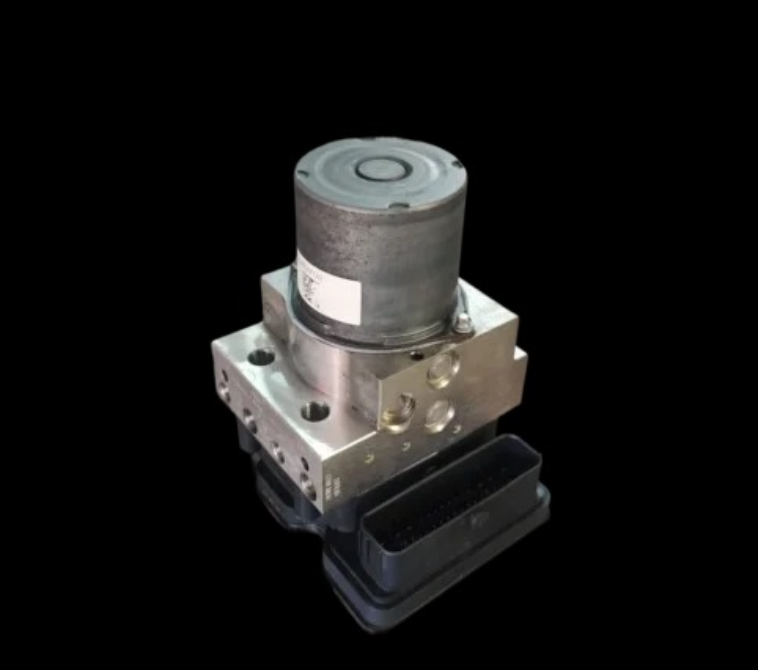
An anti-lock braking system uses wheel speed sensors, an electronic control unit (ECU), and a hydraulic modulator to detect when a wheel is about to lock and rapidly reduce and reapply brake pressure. The system typically cycles many times per second, a process often described as brake modulation. This action allows the tire to maintain some rotation and retain lateral traction, which helps the driver steer during hard braking.
Key components
- Wheel speed sensors: Measure rotational speed at each wheel and detect rapid deceleration indicative of lockup.
- Electronic control unit (ECU): Processes sensor data and decides when to modulate brake pressure.
- Hydraulic modulator (pump and valves): Adjusts brake fluid pressure to individual brakes to prevent lockup.
Operation in emergency braking
When a wheel’s deceleration rate exceeds a threshold, the ECU commands the hydraulic modulator to reduce pressure to that wheel’s brake caliper or drum, then restore it when grip returns. This cycle repeats to maintain rolling traction. The resulting pulsing sensation through the brake pedal or a rapid vibration is normal for ABS operation.
Benefits and limits of anti-lock brakes
Anti-lock brakes improve vehicle control and reduce the chance of uncontrolled skids, especially on wet, slippery, or uneven surfaces. However, ABS has limitations and does not remove the need for safe driving practices.
Benefits
- Improved steering control during hard braking, allowing drivers to steer around obstacles while braking.
- Reduced risk of wheel lockup and associated loss of directional stability.
- Integration with other safety systems can enhance overall vehicle safety performance.
Limitations
- Stopping distance: ABS can shorten stopping distance on some surfaces (e.g., wet pavement) but may increase it on loose gravel or deep snow; results vary by tire type and surface.
- Driver expectation: ABS does not replace the need to brake early and maintain safe following distances.
- System health: ABS performance depends on functioning sensors, hydraulic components, and the vehicle’s tires.
How ABS interacts with other vehicle safety systems
Anti-lock brakes often work alongside traction control systems (TCS) and electronic stability control (ESC). These systems share sensors and the ECU to manage wheel slip, maintain directional control, and reduce the risk of loss-of-control events.
Traction control and ESC
Traction control reduces wheel spin during acceleration by applying brakes or reducing engine torque. Electronic stability control uses braking at individual wheels and engine control to correct understeer or oversteer. When sensors detect yaw or lateral instability, ESC can intervene to help keep the vehicle on the intended path.
Maintenance, indicators, and what to watch for
Regular maintenance and attention to dashboard indicators support reliable ABS performance.
Warning lights and diagnostics
An illuminated ABS warning light signals a detected malfunction. Diagnostic scanning tools used by professional technicians can read trouble codes from the ABS ECU to identify faulty wheel sensors, hydraulic modulators, or electrical issues. Vehicle manufacturers and independent testing bodies recommend timely inspection when warning lights appear.
Tire condition and braking performance
Tire tread depth, inflation, and matching tires on the same axle significantly influence ABS effectiveness. Worn or improperly inflated tires can reduce grip and change braking behavior, so following manufacturer-recommended tire maintenance supports ABS function.
Research, regulation, and real-world outcomes
Public safety organizations and automotive research groups study ABS, ESC, and related technologies to inform regulations and consumer guidance. For example, the U.S. National Highway Traffic Safety Administration (NHTSA) and the Insurance Institute for Highway Safety (IIHS) publish data and recommendations about electronic safety systems and crash outcomes. For more information on ABS from a regulatory perspective, see the NHTSA overview on anti-lock brakes here.
Evidence and standards
Studies indicate that ESC and ABS together have contributed to reductions in certain crash types, particularly single-vehicle run-off-road and loss-of-control crashes. Regulatory bodies and safety assessment organizations continue to update testing protocols and safety ratings to reflect advances in braking and stability technologies.
Final considerations
Anti-lock brakes are a foundational safety feature that supports driver control during critical braking events. While ABS improves the ability to steer under heavy braking and reduces the chance of lockup-related skids, it is one part of a broader vehicle safety system that includes proper maintenance, tires, and complementary electronic controls.
Frequently asked questions
Do anti-lock brakes reduce stopping distance?
Anti-lock brakes can reduce stopping distance on some surfaces, such as wet pavement, by preventing wheel lockup and preserving traction. On loose surfaces like gravel or deep snow, ABS may not shorten stopping distance and can sometimes increase it. Stopping distance also depends on tire condition, vehicle weight, and braking technique.
Will ABS work if a tire is bald or underinflated?
ABS requires adequate tire grip to function effectively. A bald or underinflated tire reduces traction and can degrade ABS performance. Regular tire inspections, proper inflation, and timely replacement support safe braking.
How can a driver tell if the ABS is not working?
An illuminated ABS warning light on the dashboard indicates a detected problem. Additionally, if the ABS light is on, the braking system may revert to non-ABS behavior, increasing the risk of wheel lockup. Professional diagnostic testing is recommended when a warning light appears.
Is ABS standard on all new vehicles?
In many regions, ABS has become standard equipment on new passenger vehicles due to regulatory requirements and safety recommendations. Specific availability may depend on vehicle class and local regulations.
How does ABS differ from emergency braking assist systems?
ABS prevents wheel lockup during braking, while emergency braking assist systems (often called brake assist) detect panic braking and increase brake force to maximize deceleration. These systems often operate together but perform distinct functions within the vehicle’s braking and safety architecture.