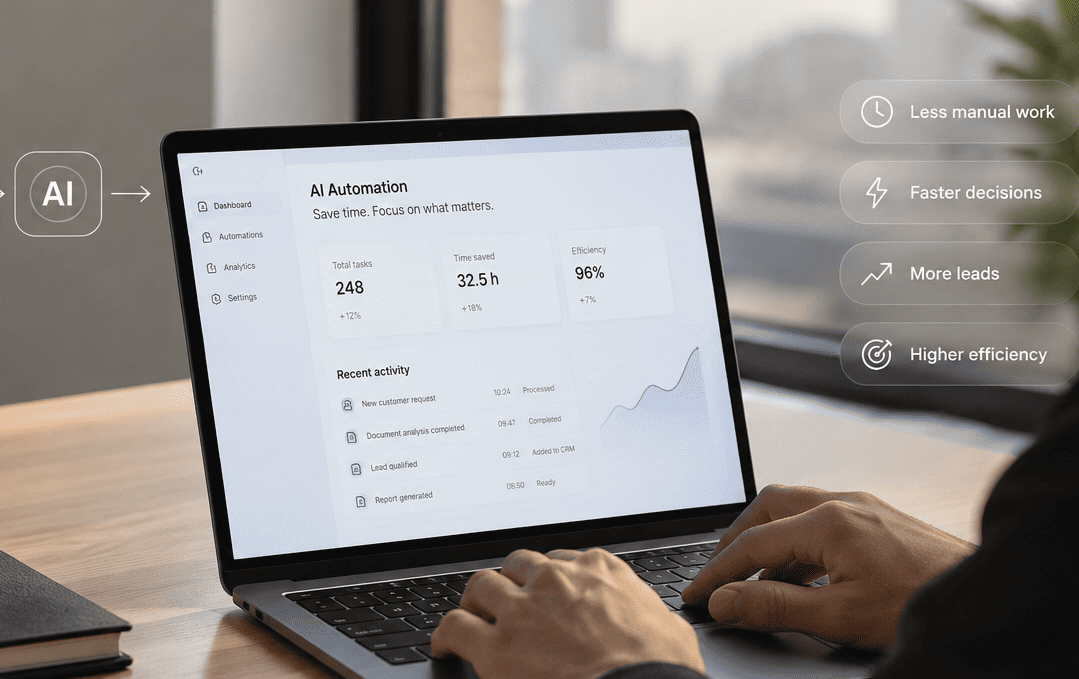
Automated Calling Software: Modernizing Outreach with Compliance
-
- Published Updated
- 1,845 views
Automated calling software is a class of systems that place or manage voice calls without manual dialing, often using technologies such as predictive dialing, interactive voice response (IVR), and voice AI. These tools are used across contact centers, healthcare appointment reminders, political campaigns, utilities, and emergency notifications, and they raise important issues about consent, caller identification, and regulatory compliance.
- Automated calling software automates outbound and inbound voice interactions using IVR, predictive dialing, and speech recognition.
- Common uses include customer service, appointment reminders, payment notifications, and mass alerts.
- Compliance with regulations such as the TCPA and data protection rules is essential; opt-out and consent mechanisms are common requirements.
- Key considerations include call deliverability, analytics, integration with CRM, and user experience design.
Automated calling software: Key features and use cases
Typical features of automated calling software include scheduled outbound campaigns, real-time call routing, IVR menus, text-to-speech synthesis, speech-to-text transcription, and integration with customer relationship management (CRM) systems. Predictive dialing systems increase agent efficiency by estimating when an agent will be available and initiating calls accordingly. Interactive voice response (IVR) systems handle routine inquiries through menu options or natural language prompts, while predictive and progressive dialers optimize outbound volumes.
Common use cases
- Customer support and contact centers: routing and screening inbound calls, and placing follow-up outbound calls.
- Notifications and alerts: weather advisories, school closings, and system outage notices.
- Reminders and transactional messages: appointment confirmations, bill reminders, and delivery updates.
- Surveys and feedback collection: automated post-interaction surveys and satisfaction polling.
Technology behind automated calling software
Modern systems combine telephony infrastructure with cloud services, application programming interfaces (APIs), and artificial intelligence. Voice AI and natural language processing (NLP) enable conversational IVR and automated agents that understand simple spoken requests. Call analytics provide metrics on answer rates, call duration, and agent performance. Integration with databases and CRM platforms ensures personalized messages and accurate call lists.
Key technical components
- Telephony interfaces (SIP, PSTN gateways) to connect with phone networks.
- Dialer engines (predictive, progressive, or preview) for managing outbound flows.
- Speech synthesis and recognition for automated interactions.
- APIs and webhooks for integrating with enterprise systems and reporting tools.
Regulation, consent, and compliance considerations
Automated calling software intersects with consumer protection and data privacy laws. In the United States, the Telephone Consumer Protection Act (TCPA) and rules enforced by the Federal Communications Commission and the Federal Trade Commission govern many aspects of automated calling, including restrictions on calls to mobile numbers without prior consent and requirements for opt-out mechanisms. Many countries in the European Union subject automated calls to data protection standards under the General Data Protection Regulation (GDPR), which emphasizes lawful basis and transparency. National do-not-call registries and specific sector rules (for example, healthcare data protections) also affect usage.
Guidance from regulators and industry best practices recommend maintaining accurate consent records, honoring opt-out requests immediately, clearly identifying the caller, and limiting call frequency. For further regulatory information, consult the Federal Communications Commission guidance on robocalls and consumer protections: Federal Communications Commission.
Data protection and security
Handling voice recordings and call metadata requires appropriate security controls: access management, encryption in transit and at rest, secure retention policies, and deletion procedures aligned with privacy law. Organizations should coordinate with legal and compliance teams when designing automated calling programs.
Operational best practices
Effective deployment balances automation efficiency with recipient experience and regulatory risk management. Important operational steps include list hygiene to remove disconnected numbers and do-not-call entries, A/B testing message scripts and call times to improve engagement, and using analytics to reduce repeat calls to the same contact. Personalization and brief, clear messaging improve recipient understanding and reduce complaints.
Measuring performance
Metrics commonly tracked include answer rate, completed calls, average handling time, conversion or resolution rate, and complaint or opt-out rate. These indicators inform dialing cadence, message design, and staffing for live agent follow-up.
Limitations and ethical considerations
Automated calling software can be perceived as intrusive if overused or poorly targeted. Misconfigured predictive dialers can create abandoned calls; synthetic voices may confuse recipients if not clearly identified; and lack of accessible opt-out channels can erode trust. Ethical use involves respecting recipient preferences, providing clear identification and purpose, and ensuring messages do not mislead or harass.
Adoption and future trends
Trends include deeper use of conversational AI for two-way interactions, better integration with omnichannel customer journeys (SMS, email, chat), and improved fraud detection to prevent spoofing and malicious robocalls. Advances in speech-to-text and sentiment analysis are enabling more nuanced automated interactions and real-time quality monitoring in contact centers.
Frequently asked questions
What is automated calling software and how does it work?
Automated calling software schedules and places calls using dialers, IVR systems, and voice AI. It connects to telephony networks via SIP or PSTN gateways, uses APIs to access contact lists and messages, and may employ speech recognition and text-to-speech to interact without a live agent.
Are automated calls regulated?
Yes. Many jurisdictions regulate automated calls to protect consumers. In the United States, the TCPA and rules enforced by agencies such as the FCC set limits on autodialed and prerecorded calls. Data protection laws like the GDPR also apply where personal data is processed.
How can organizations reduce complaints from automated calling?
Best practices include maintaining accurate call lists, honoring opt-out requests promptly, clearly stating the caller identity and purpose, limiting call frequency, and testing message scripts for clarity and brevity.
What technologies improve the effectiveness of automated calling?
Technologies that improve outcomes include predictive dialing, conversational IVR powered by NLP, integration with CRM for personalization, call analytics for optimization, and fraud prevention tools for caller ID and spoofing detection.
Can automated calling software handle two-way conversations?
Yes. With modern voice AI and speech recognition, automated systems can handle basic two-way exchanges, route complex requests to agents, and capture user inputs for follow-up actions.
How should privacy be managed when using automated calls?
Privacy management requires documented lawful bases for processing, secure storage and transmission of call data, clear consent and opt-out mechanisms, and retention policies aligned with applicable data protection rules.