Automation's Rise: Driving Efficiency, Innovation, and Workforce Change
-

- February 23rd, 2026
- 1,332 views

FREE SEO Topical Map Generator: Find Your Next Content Ideas
The rise of automation is reshaping how industries operate by combining robotics, artificial intelligence, and software tools to increase productivity and enable new kinds of products and services. This article explains core technologies, potential benefits, workforce effects, governance considerations, and likely future directions.
- Automation integrates robotics, AI, machine learning, and process software to improve efficiency and create new capabilities.
- Benefits include productivity gains, safer operations, and faster innovation cycles; risks include disruption to jobs, bias, and cybersecurity exposure.
- Policy, regulation, and workforce reskilling shape how communities capture benefits and manage transition costs.
Understanding the Rise of Automation
Automation spans hardware and software systems from industrial control systems and factory robotics to robotic process automation (RPA) and intelligent agents powered by machine learning. It includes internet-of-things (IoT) sensors, control systems, and cloud-based orchestration that together enable continuous monitoring, decision-making, and physical action at scale.
Key Technologies Driving Automation
Artificial intelligence and machine learning
AI and machine learning allow systems to detect patterns in data, optimize workflows, and adapt to new conditions. Applications include predictive maintenance, quality inspection with computer vision, and language-based automation for customer support.
Robotics and industrial automation
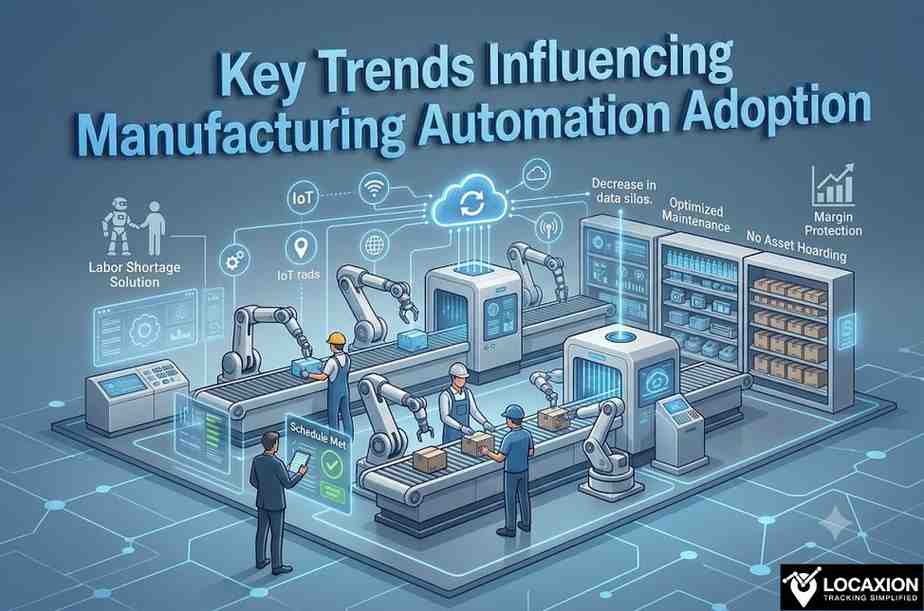
Modern robotics combine precision actuators, sensors, and real-time control to automate physical tasks. Collaborative robots (cobots) and advanced motion control systems enable safer human–robot interactions on factory floors.
Software automation and RPA
Robotic process automation (RPA) and workflow orchestration platforms automate repetitive digital tasks, reducing manual data entry and accelerating back-office processes in finance, supply chain, and HR.
Benefits of Automation
Productivity and quality improvements
Automation can increase output per worker, reduce error rates, and shorten production cycles. This often translates into lower unit costs and greater capacity for innovation.
Safety and operational continuity
Automated systems can perform hazardous tasks and operate continuously in environments that are dangerous or difficult for humans, improving workplace safety and resilience.
Enablement of new services and business models
Automation supports data-driven services such as predictive analytics, personalized offerings, and dynamic supply-chain optimization that were difficult or impossible before.
Economic and Workforce Impacts
Job displacement, transformation, and creation
Automated systems can displace some routine roles while creating demand for higher-skill positions in system design, maintenance, data analysis, and oversight. The net effect on employment varies by sector, region, and the pace of adoption.
Reskilling, education, and policy responses
Policies that support lifelong learning, vocational training, and labor-market transition services can reduce friction from automation-driven change. Public and private investment in reskilling helps workers adapt to evolving roles.
Analysis and guidance from organizations such as the International Labour Organization help policymakers understand labor market trends and design supportive measures. See the ILO for further research and recommendations: International Labour Organization.
Implementation Considerations and Governance
Data, privacy, and cybersecurity
Automated systems rely on data flows and connected infrastructure, increasing exposure to privacy issues and cyber risk. Strong data governance, encryption, and access controls are essential.
Ethics, transparency, and bias
Algorithms can embed biases present in training data. Transparency about decision logic, validation by domain experts, and mechanisms for human oversight reduce unfair outcomes.
Standards and regulation
Regulatory frameworks and industry standards for safety, interoperability, and accountability influence adoption. Agencies and standards bodies such as national regulators and international organizations play roles in defining requirements for safe deployment.
Future Trends and Innovations
Near-term trends include tighter integration of edge computing with cloud services, advances in unsupervised and reinforcement learning, and greater use of digital twins for design and simulation. Long-term directions point toward more autonomous multi-agent systems and expanded use of automation in health care, transportation, and urban infrastructure—subject to ethical and regulatory constraints.
Practical Advice for Organizations
Start with value-driven pilots
Begin with small, measurable projects that address clear bottlenecks. Use pilot results to build organizational knowledge and scale responsibly.
Invest in people and processes
Complement technology investments with training, job redesign, and change management so that staff can work alongside automated systems effectively.
Frequently Asked Questions
What is the rise of automation and why does it matter?
The rise of automation describes the expanding use of software, robotics, and AI to perform tasks that were previously manual or semi-automated. It matters because it changes productivity, economic structures, job roles, and the way services are delivered, creating both opportunities and challenges.
Which sectors are most affected by automation?
Manufacturing, logistics, finance, customer service, and some administrative functions are among the earliest and most affected sectors. Health care, agriculture, and construction are also seeing growing automation adoption.
How can workers prepare for automation?
Workers can prepare by developing digital skills, learning to work with data, and gaining competencies in problem-solving, communication, and domain knowledge that complement automated tools.
What governance measures support responsible automation?
Effective governance includes data protection, safety standards, transparency requirements, workforce transition programs, and stakeholder engagement to ensure equitable outcomes.