Best HR Automation Software: The Smart Way to Manage Your Workforce in 2026
-

- Published Updated
- 8,551 views
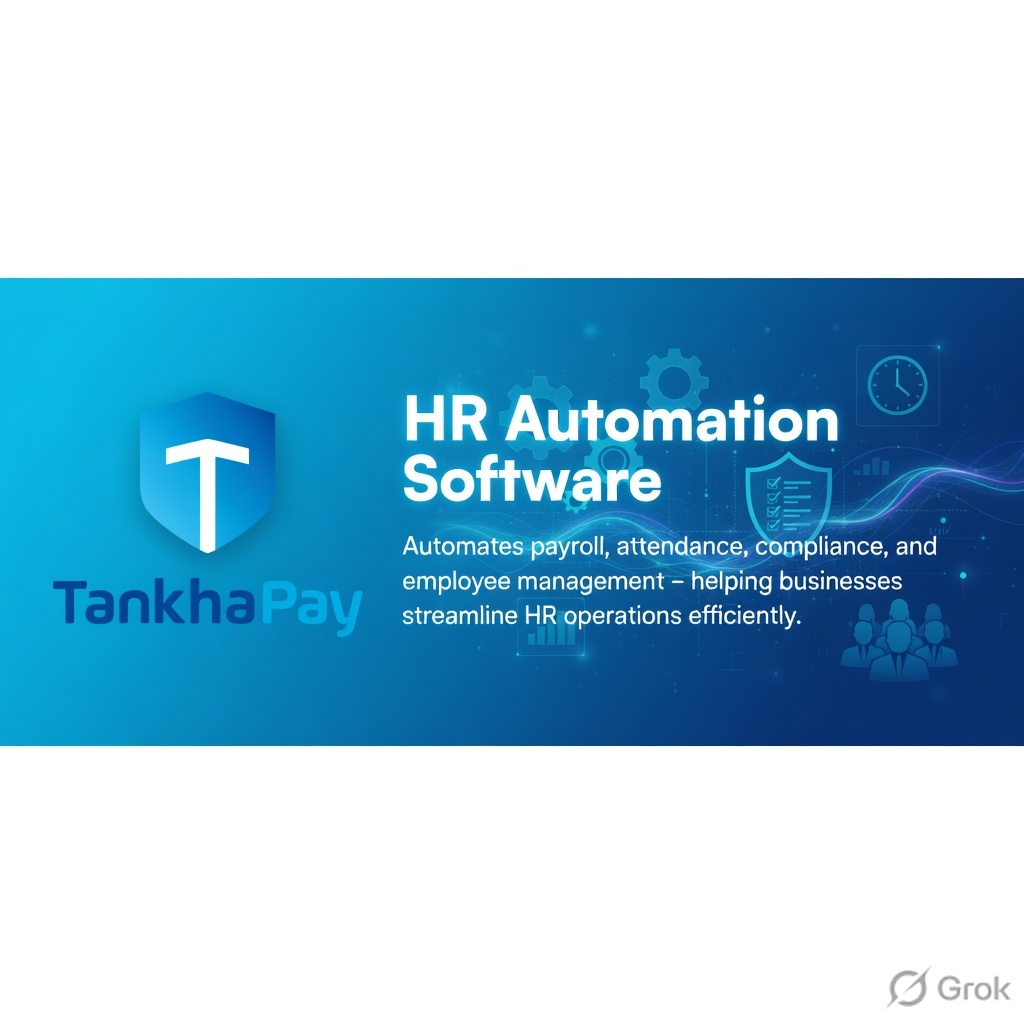
In today’s fast-paced business environment, managing human resources manually is no longer practical. From payroll processing to attendance tracking and compliance management, HR teams are constantly juggling multiple responsibilities. This is where HR Automation Software comes into play.
HR automation is not just a trend—it has become a necessity for businesses that want to scale efficiently, reduce errors, and improve employee experience.
What is HR Automation Software?
HR Automation Software is designed to simplify and streamline complex HR processes by reducing manual intervention. It helps organizations manage their workforce more efficiently by automating repetitive tasks and centralizing all HR operations in one platform.
HR Automation Software is a digital solution designed to automate repetitive and time-consuming HR tasks such as:
- Payroll processing
- Attendance tracking
- Employee onboarding
- Leave management
- Compliance handling
Instead of relying on spreadsheets or manual work, companies can streamline operations using a centralized system.
visit - https://www.tankhapay.com/blog/best-hr-automation-software/
Why Businesses Are Shifting to HR Automation
As businesses grow, managing HR operations manually becomes increasingly difficult and inefficient. Companies are now shifting towards automation to improve accuracy, save time, and ensure smooth workforce management.
Traditional HR systems are slow, error-prone, and difficult to manage. Here’s why companies are moving towards automation:
Saves Time and Effort
Manual HR processes take hours—sometimes days. Automation reduces this workload significantly, allowing HR teams to focus on strategic tasks.
Reduces Human Errors
Payroll mistakes or compliance errors can be costly. Automation ensures accuracy in calculations and reporting.
Improves Compliance Management
Keeping up with labor laws and regulations is challenging. HR automation software helps businesses stay compliant with minimal effort.
Enhances Employee Experience
Employees can access payslips, apply for leaves, and update personal details easily through self-service portals.
Key Features of HR Automation Software
The effectiveness of any HR automation tool depends on the features it offers. Choosing the right set of features can significantly improve HR efficiency and overall business performance.
When choosing an HR automation tool, businesses should look for the following features:
Payroll Automation
Automates salary calculations, tax deductions, and payslip generation.
Attendance & Leave Management
Tracks employee attendance in real-time and manages leave requests efficiently.
Employee Self-Service Portal
Allows employees to access their data without HR intervention.
Compliance Management
Ensures adherence to government regulations and labor laws.
Reporting & Analytics
Provides insights into workforce performance and HR metrics.
Benefits of Using HR Automation Software
Implementing HR automation software goes beyond just saving time—it enhances productivity, improves accuracy, and supports better decision-making across the organization.
Increased Productivity
HR teams can focus on strategic initiatives instead of repetitive tasks.
Cost Efficiency
Reduces administrative costs and minimizes payroll errors.
Data-Driven Decisions
Real-time data helps in better decision-making.
Improved Data Security
Sensitive employee data is stored securely in a centralized system.
HR Automation for Small and Medium Businesses
HR automation is not limited to large enterprises. In fact, small and medium businesses can benefit even more by reducing manual workload and improving operational efficiency with limited resources.
Many small businesses think HR automation is only for large enterprises—but that’s not true.
In fact, SMBs benefit the most because:
- They have limited HR staff
- Manual processes consume more time
- Compliance risks are higher
By adopting HR automation early, small businesses can scale faster and operate more efficiently.
Common Challenges Without HR Automation
Businesses that still rely on manual HR processes often face several operational challenges that can slow down growth and reduce efficiency.
If you’re still using manual HR processes, you may face:
- Payroll delays and errors
- Compliance penalties
- Poor employee experience
- Lack of data insights
- Increased administrative workload
These challenges can negatively impact productivity and overall business performance.
How to Choose the Right HR Automation Software
Selecting the right HR automation software is a crucial decision that can impact your business operations in the long run. It’s important to evaluate your needs and choose a solution that aligns with your goals.
Before selecting a solution, consider the following:
1. Ease of Use
The software should be user-friendly for both HR teams and employees.
2. Scalability
Choose a platform that grows with your business.
3. Integration Capabilities
It should integrate with existing systems like accounting or ERP tools.
4. Customer Support
Reliable support is crucial for smooth implementation.
Future of HR Automation
The future of HR automation is rapidly evolving with advancements in technology. Businesses are increasingly adopting intelligent systems to make HR processes more efficient and data-driven.
The future of HR automation is driven by technologies like:
- Artificial Intelligence (AI)
- Machine Learning (ML)
- Cloud-based platforms
These advancements will enable predictive analytics, smarter decision-making, and improved workforce planning.
Final Thoughts
In today’s digital era, adopting HR automation is no longer optional—it’s essential for staying competitive and efficient.
HR Automation Software helps businesses:
- Save time
- Reduce errors
- Improve compliance
- Enhance employee satisfaction
Investing in the right solution can transform your HR operations and drive long-term growth.