Ayurvedic Cosmetics Manufacturing
-

- March 25th, 2026
- 5,782 views

FREE SEO Topical Map Generator: Find Your Next Content Ideas
Is rapidly emerging as a preferred choice in the beauty and personal care industry, especially in India where Ayurveda has deep cultural roots. This manufacturing process focuses on creating skincare, haircare, and personal care products using natural herbs, plant extracts, essential oils, and traditional formulations. Unlike synthetic cosmetics that often contain harsh chemicals, Ayurvedic products are designed to nourish the body naturally while maintaining long-term health and balance.
The foundation of Ayurvedic cosmetics lies in ancient Ayurvedic texts, where beauty is considered a reflection of internal wellness. Ingredients such as aloe vera, neem, turmeric, sandalwood, tulsi, and amla are commonly used due to their medicinal and therapeutic properties. These natural components are known for their anti-inflammatory, antibacterial, and antioxidant benefits, making them ideal for treating various skin and hair concerns without causing harmful side effects.
The manufacturing process of Ayurvedic cosmetics begins with the careful sourcing of high-quality raw materials. Herbs are collected from certified suppliers to ensure purity and authenticity. These raw materials are then cleaned and dried under controlled conditions to preserve their natural potency. After drying, they are processed into powders or extracts using traditional grinding and extraction techniques.
Extraction is a crucial step in Ayurvedic cosmetics manufacturing. It involves obtaining the active compounds from herbs through methods like decoction, cold pressing, or advanced extraction technologies. These extracts are then filtered and purified to remove impurities and ensure safety. Once the active ingredients are ready, they are blended in precise proportions to create effective formulations based on Ayurvedic principles.
The next stage involves converting these formulations into final products such as creams, lotions, gels, oils, shampoos, and soaps. Each product is developed with specific purposes, such as moisturizing, anti-aging, anti-acne, or hair strengthening. Modern manufacturing units use advanced machinery and hygienic practices to maintain quality and consistency throughout the production process.
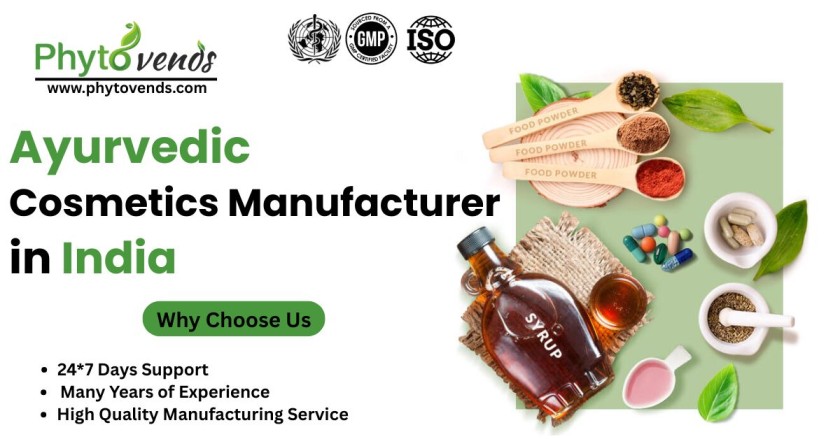
Quality control plays a vital role in Ayurvedic cosmetics manufacturing. Every batch undergoes rigorous testing to ensure it meets safety and performance standards. This includes microbial testing, stability testing, and ingredient verification. Certifications like WHO-GMP, ISO, and AYUSH compliance are essential to ensure that products meet both domestic and international quality requirements.
One of the major advantages of Ayurvedic cosmetics manufacturing is its growing market demand. Consumers today are more aware of the harmful effects of chemicals like parabens, sulfates, and synthetic fragrances. As a result, there is a strong shift toward herbal and natural alternatives. Ayurvedic cosmetics offer a safer and more sustainable option, which is driving their popularity across all age groups.
Another important aspect is the rise of third-party manufacturing. This business model allows entrepreneurs and brands to outsource production to experienced manufacturers without investing heavily in infrastructure. It is a cost-effective and efficient way to launch a cosmetic brand, as it provides access to expert formulations, advanced facilities, and scalable production capabilities. Many startups and digital marketers are leveraging this model to enter the booming herbal cosmetics market.
In addition to domestic growth, Ayurvedic cosmetics are also gaining international recognition. Countries across Europe, the Middle East, and North America are increasingly importing herbal beauty products from India. This global demand is creating new opportunities for manufacturers and exporters, making Ayurvedic cosmetics manufacturing a highly profitable sector.
However, the industry also faces certain challenges. Maintaining consistency in raw materials, ensuring regulatory compliance, and dealing with intense market competition can be demanding. Continuous research and development are required to standardize formulations and meet evolving consumer expectations. Despite these challenges, companies that focus on quality, innovation, and transparency can achieve long-term success.
The future of Ayurvedic cosmetics manufacturing looks extremely promising. With increasing awareness of natural living, sustainability, and holistic wellness, the demand for herbal beauty products is expected to grow even further. Technological advancements are also helping improve product quality and effectiveness, making Ayurvedic cosmetics more competitive in the global market.
In conclusion:
Ayurvedic cosmetics manufacturing is a perfect blend of traditional knowledge and modern science. It offers safe, effective, and eco-friendly solutions for beauty and personal care while creating excellent business opportunities. As consumers continue to prioritize natural and chemical-free products, this industry is set to expand significantly, making it an ideal choice for both manufacturers and entrepreneurs looking for long-term growth.
Ayurvedic cosmetics manufacturing focuses on creating herbal skincare and personal care products using natural ingredients and traditional formulations. It ensures safe, effective, and chemical-free solutions for modern consumers. With advanced facilities and quality standards, manufacturers offer customized formulations, private labeling, and third-party services, helping businesses launch successful Ayurvedic cosmetic brands in the growing herbal beauty market.
Read More: https://phytovends.com/ayurvedic-cosmetics-manufacturer-in-india/