How to Choose the Right Diaper Size as Your Baby Grows
-

- Published Updated
- 4,235 views
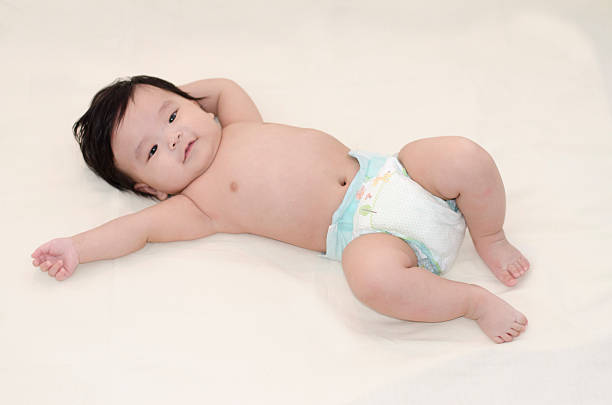
Choosing the right diaper size is an important part of everyday baby care. As babies grow, their body shape, weight, and movement patterns change, so the diaper that fitted well earlier may eventually feel tight or less comfortable. A well-fitting diaper should allow your baby to move freely while providing enough coverage to help manage wetness and messes.
A practical baby diaper size guide can help parents understand when to stay with the current size and when to consider moving up. Rather than relying only on the number printed on the package, it is useful to look at your baby's growth, comfort, and the way the diaper fits around the waist and legs.
Understanding Diaper Size by Weight and Growth
Diaper sizing is commonly associated with a baby's weight, but weight should not be the only consideration. Babies can have different body shapes even when they weigh similarly. Some may have a slimmer waist, while others may have fuller thighs or a different body proportion.
When following diaper size by weight, consider the recommended range as a helpful starting point rather than an absolute rule. Observe how the diaper sits on your baby during everyday activities, including sleeping, crawling, sitting, and walking.
For example, Huggies Extra Care Size 3 (5-8 Kg) 42s may be considered when a baby is within the appropriate size range and the diaper provides a comfortable fit. The important factor is whether the diaper sits securely without creating excessive pressure or leaving gaps.
Why Proper Diaper Fit Matters
A proper diaper fit supports comfort and helps reduce the possibility of leaks. A diaper that is too small may feel restrictive, while one that is too large can leave spaces around the legs or waist where leakage may occur.
When checking the fit, pay attention to:
Diaper waistband fit: The waistband should sit comfortably without digging into the baby's skin.
Diaper leg fit: The leg openings should provide gentle contact without leaving excessive gaps or causing deep marks.
Coverage: The diaper should provide adequate front and back coverage for the baby's body.
Movement: Your baby should be able to kick, crawl, sit, or walk comfortably.
Fastening: Tabs should close securely without needing to be pulled excessively.
These simple checks can make choosing the right diaper easier than depending on size labels alone.
Signs That It May Be Time to Move Up
Babies grow quickly, and their diaper requirements can change gradually. Parents may notice that the current diaper is becoming less comfortable before the baby reaches the upper end of the suggested weight range.
Some common signs that it may be time to consider the next size include:
Frequent gaps appearing around the legs or back
Fastening tabs becoming difficult to position comfortably
Waistbands leaving noticeable pressure marks
Reduced coverage around the baby's bottom
More frequent leakage despite appropriate changing habits
The baby appearing uncomfortable while wearing the diaper
If several of these signs appear together, it may be useful to try the next diaper size and compare the fit.
Moving From Size 3 to Size 4
Moving from one diaper size to another does not have to happen on a particular date or at a specific developmental milestone. Baby growth stages vary, and the right time to change size depends on individual fit and comfort.
For parents considering the next stage, Huggies Extra Care Size 4(8-14Kg) 40's can be evaluated when a larger fit is needed. The goal is not simply to choose a bigger diaper, but to find a size that provides appropriate coverage without becoming loose around the waist or legs.
It is also helpful to check the fit after the diaper has been fastened. A larger size should still sit securely against the baby's body. If there are large openings around the legs or back, the diaper may be too large even if the baby is growing.
Considering Size 5 as Your Baby Develops
As your baby becomes more active, diaper fit can become even more noticeable. Crawling, standing, walking, and other movements can place different demands on the diaper. A suitable size should remain comfortable during these activities.
Size 5 may eventually become relevant as your baby continues to grow. However, parents should continue to assess the diaper waistband fit, leg fit, coverage, and overall comfort rather than changing sizes simply because the baby has reached a new developmental stage.
The same approach can be applied throughout the different stages of diaper use: observe the fit, consider growth, and make adjustments when the current size no longer provides a comfortable fit.
Choosing the Right Diaper for Everyday Comfort
Choosing the right diaper involves more than selecting a size. Parents may also consider the baby's skin sensitivity, daily activity, changing routine, and individual comfort. A diaper should fit securely while allowing natural movement.
For instance, Huggies Extra Care Size 3 (5-8 Kg) 42s can be assessed based on how comfortably it fits the baby's current body shape rather than relying solely on the size number. Similarly, Huggies Extra Care Size 4(8-14Kg) 40's may be considered when the existing size begins to feel restrictive or provides less coverage.
Keeping an eye on changes in fit can make diaper changes more comfortable and help parents respond to their baby's changing needs.
Practical Tips for Parents
A few simple habits can make diaper sizing easier:
Check the diaper fit regularly as your baby grows.
Look for pressure marks around the waist and thighs.
Make sure the diaper provides sufficient coverage.
Check for gaps after fastening.
Consider your baby's movement and comfort.
Reassess the size when leakage becomes frequent without another obvious cause.
Follow the manufacturer's sizing guidance while also considering individual fit.
Conclusion
Diaper sizing is an ongoing part of baby care because babies continuously change in size, shape, and activity level. Paying attention to comfort, coverage, waist and leg fit, and signs of growth can help parents make more informed choices. A flexible approach allows the diaper routine to adapt naturally as the baby moves through different growth stages and becomes increasingly active.