
When Rain Turns Your Backyard Into A Bog
-

- Published Updated
- 144 views
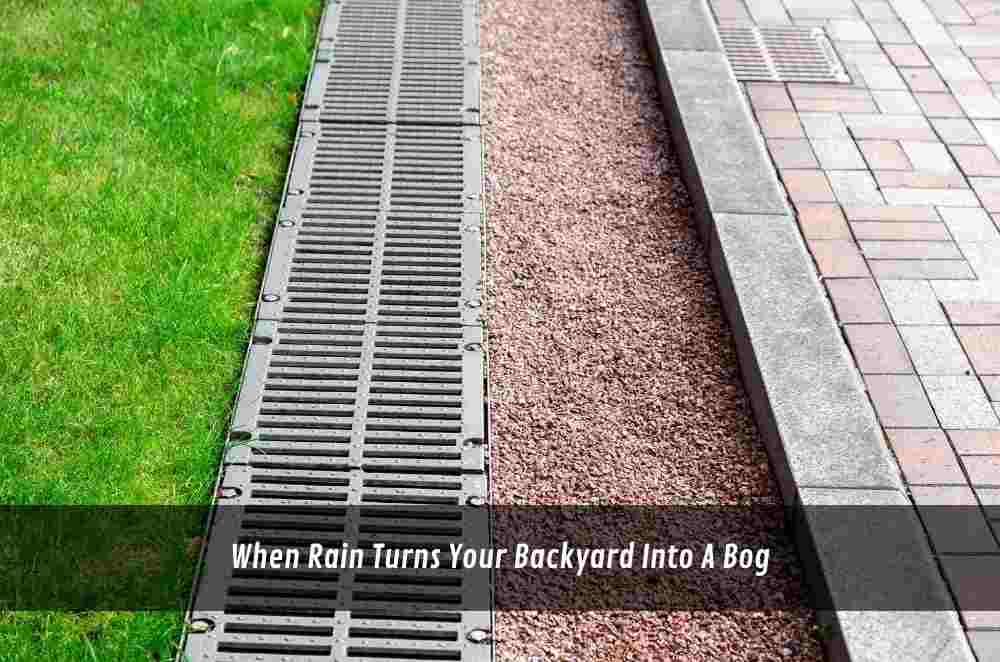
A summer storm rolling off the Pacific should leave the air crisp and the garden refreshed. Instead, many Sydney homeowners find their turf squelching underfoot for days, brick paths growing green films, and raised beds drowning roots they fought hard to establish. Poor garden drainage is common across the city’s mix of clay belts, reclaimed swamplands and densely built terraces, yet it remains one of the most misunderstood landscape issues. Solving it starts with recognising the local soil realities, spotting trouble early, and matching the fix to both budget and long-term garden goals.
Why Drainage Trips Up Sydney Gardens
Sydney’s soils vary wildly over just a few kilometres. Western suburbs sit on reactive clays that shrink, swell and seal tight when hammered by foot traffic. Closer to the coast, many plots were infilled with builder’s rubble during the post-war housing boom, creating patchy layers that block natural percolation. Layer on larger roof footprints, paved entertaining areas and vehicle hardstands, and you have more runoff than the traditional topsoil profile can handle.
The city’s water authority spells it out clearly: every property must move stormwater to a lawful point of discharge, ideally through graded surfaces or underground drainage lines that meet council standards. Homeowners ignoring those guidelines from Sydney Water risk more than muddy shoes – they can cop fines if overflow damages a neighbour’s foundations.
Reading The Warning Signs
Waterlogging rarely arrives unannounced. Watch for:
Persistent puddles that linger longer than 48 hours after rain.
Mushy lawn patches that turn brown in summer even though the soil feels wet underneath.
Algal films on pavers or retaining walls near downpipes.
Fungal rings or toadstools popping up in the same spots each year.
Shifting fence posts or sleepers as saturated sub-soil loses bearing strength.
These clues tell you the soil profile can’t move water quickly enough. Leave them unchecked and you risk slab heave beneath patios, root rot in prized citrus, and mosquito breeding zones that make evening barbecues a battle.
Choosing The Right Fix
No single product works for every yard; a layered approach usually delivers the best result. Below are the go-to solutions landscapers weigh up, plus where each shines and where it falls short:
Surface regrading with fresh topsoil – Spreading a 70:30 sand-soil blend across low turf hollows restores gentle fall away from the house. It’s quick and cost-effective but only tackles light runoff; deep-seated saturation will ignore the facelift.
Gravel-filled French drains – Narrow trenches packed with coarse aggregate intercept persistent puddles and suit side paths that lack space for bigger works. They need a clear downhill exit; without enough fall, water simply sits in the trench.
Slotted ag-pipe wrapped in geofabric – Buried 200–400 mm deep, ag-pipe whisks water away from saturated root zones before oxygen levels crash. If the pipe gradient is too flat or cleaning outlets are skipped, sediment can clog the system within a few storm seasons.
Dry creek beds or rain gardens – Shallow basins filled with free-draining soil and native wet-tolerant plants soak up roof runoff, adding habitat value along the way. They require pasture-sized space and patience while vegetation establishes.
Permeable paving – Driveways and alfresco areas built on open-graded bases let rainfall soak through instead of bouncing into stormwater grates. Installation costs run higher than standard pavers but cut long-term maintenance, provided the base remains clear of silt.
Homeowners keen to drill deeper into the construction details— from trench depths to geotextile options— can find step-by-step diagrams and cost considerations in this overview of practical garden drainage solutions in Sydney developed for local soils and council rules.
Designing For Future Extremes
Fixing a current swamp is good; building a landscape that rides out hotter summers and flashier storms is better. Two principles sit at the heart of resilient drainage design:
Treat Roof Runoff As A Resource
Each square metre of corrugated iron sheds roughly one litre of water per millimetre of rainfall. Directing that torrent straight into a pipe is a missed opportunity. First, divert downpipes into rain barrels or purpose-built rain gardens. You’ll shave peak flow during storms, trim council discharge volumes and hold a reserve to irrigate veg patches through dry spells. Once the tanks overflow, the excess can enter your ag-pipe network or municipal system without overwhelming either.
Pair Hardscape Choices With Soil Health
Permeable paving, widened garden beds and deep mulching tackle compaction at its source. Organic matter lets soil act like a sponge, evening out extremes between deluge and drought. Some of the healthiest lawns in the city’s clay belt sit atop 100 mm of imported sandy loam blended with compost— an upfront cost that sidesteps years of repeat aeration fees. Complement that with dense-rooted natives such as Lomandra or Dianella along fence lines; their fibrous systems keep micro-channels open for water to move sideways even when the surface hardens in summer heat.
Maintenance That Makes Improvements Stick
Drainage work is rarely “set and forget”. Keep performance high by:
Flushing ag-pipes every six months with a garden hose fitted to the inspection outlet. A few minutes of clear water helps shift accumulated fines before they cement.
Top-dressing low spots with sand-heavy soil blends after major storms. Subtle settlement is normal as trenches compact and mulch breaks down.
Keeping inspection pits and leaf guards clean so autumn litter doesn’t dam outlets.
Aerating high-traffic lawn zones annually with a hollow-tine corer to relieve surface compaction without disturbing buried infrastructure.
These habits cost little yet protect the not-so-cheap work hidden underground.
Maintaining Momentum
Water has a knack for finding the tiniest flaw in a landscaping plan, so periodic checks matter. Next time a storm rolls over, grab a raincoat, step outside and track where rivulets form. Chalk marks on paving or flags in garden beds make a handy map when the sky clears. Small tweaks— raising a sleeper edge here, loosening compacted soil there— often prevent the gradual slide back to a boggy mess.
Most Sydney yards won’t need every measure listed above. Start with the simplest surface adjustments and honest soil improvement. If those don’t deliver, layer in underground drains or a purpose-built rain garden. The key is matching the remedy to the site’s slope, soil and storm intensity rather than chasing one-size-fits-all gadgets. Do that, and a soaking summer storm will leave your garden lush, not water-logged, for years to come.