Turning a Balcony or Patio Into a More Usable Outdoor Space
-

- September 19th, 2026
- 4,425 views
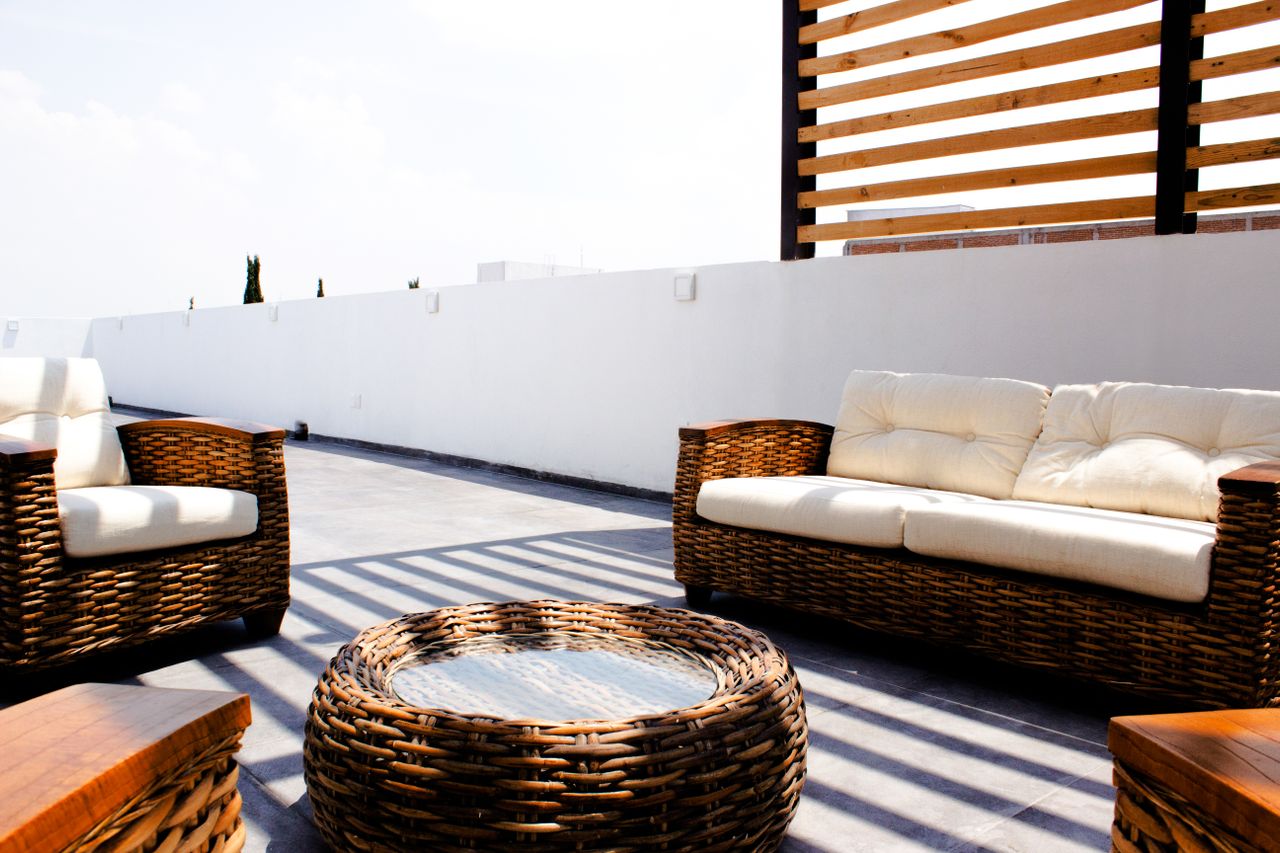
Outdoor space is valuable, even when it is small. A balcony, patio, terrace or compact garden corner can become a morning coffee spot, a quiet reading area, a casual place to sit after dinner or even a simple extension of the living room. The challenge is making it comfortable without overcrowding it. Many outdoor areas are underused because they are treated as leftover space rather than a real part of the home. With the right furniture choices and simple planning, even a compact outdoor area can feel purposeful, relaxing and easy to enjoy.
Start with a Clear Purpose
Start by deciding how the area will be used most often. This makes every other decision easier. If the space is mainly for solo relaxation, one comfortable chair and a small side table may be enough. If it is for casual meals, a compact dining set may be the better choice. If the household enjoys hosting friends or family, flexible seating that can be moved around easily may be more practical. When browsing outdoor furniture in singapore, it helps to think about scale, weather exposure, comfort and how easy each piece will be to clean or maintain.
In a small outdoor space, size matters more than people often realise. Oversized furniture can make a balcony feel cramped, even if the pieces look beautiful on their own. Before buying anything, measure the available area and leave enough walking space around the furniture. People should be able to sit down, stand up and move comfortably without bumping into tables, plants or railings. A good rule is to choose fewer pieces that work well rather than filling the area with too many items.
Choose Practical Furniture and Durable Materials
Material choice is also important outdoors. Furniture exposed to sun, humidity and rain should be selected with durability in mind. Lightweight pieces are useful because they are easy to move and rearrange, but they should still feel stable enough for regular use. Cushions make outdoor seating more inviting, but removable or easy-to-clean covers are more practical, especially in humid climates. If the space is uncovered, storage for cushions may be necessary to keep them in better condition. A small storage bench, weather-resistant box or indoor basket near the door can help protect soft furnishings when they are not in use.
Comfort is not only about the chair. Shade, airflow and lighting all affect whether the outdoor area actually gets used. A small umbrella, outdoor blind, curtain or plant arrangement can soften harsh sunlight during the day. In the evening, warm string lights, a lantern or a small outdoor lamp can make the space feel calm and welcoming. These small details can turn a plain balcony into a place where people naturally want to spend time. Without them, the space may look complete but still feel uncomfortable.
Plants are another simple way to make outdoor areas feel more relaxed. They add colour, texture and a sense of freshness, especially in apartments where the view may be mostly concrete or neighbouring buildings. However, plants should be chosen carefully for small spaces. Large pots can quickly block movement, while too many plants can make the area feel cluttered. Slim planters, railing boxes, hanging pots or vertical plant stands can help add greenery without taking up too much floor space.
In compact outdoor areas, every piece should earn its place. Folding chairs, stackable stools and nesting tables are useful because they can adapt to different needs. A narrow bench with built-in storage can hold gardening tools, outdoor accessories or extra cushions. A small side table can work as a coffee table, plant stand or serving area when guests visit. The goal is to choose furniture that supports the way the space will be used, instead of adding pieces simply because there is a little room left.
It is also important to avoid turning the balcony or patio into a storage area for items that do not belong elsewhere in the home. This is common in smaller homes, where outdoor areas slowly become places for boxes, cleaning supplies, unused pots or random household items. Once that happens, the space becomes less inviting and is less likely to be used. If storage is necessary, use furniture that hides clutter neatly, such as storage benches, cabinets or covered baskets.
Style should feel connected to the interior of the home. If the living room has warm wood tones, repeating a similar tone outdoors can create a smoother transition. If the home feels modern and minimal, clean-lined outdoor pieces may be a better fit. If the interior is soft and cosy, cushions, throws and natural textures can help continue that feeling outside. This connection makes the outdoor area feel like part of the home rather than a separate, unfinished corner.
Privacy is another factor to consider, especially in apartment balconies. Outdoor furniture can be positioned so seating faces inward or toward a pleasant view rather than directly toward neighbouring units. Tall plants, outdoor screens, bamboo blinds or vertical planters can add softness without completely closing off airflow. The goal is not to block everything out, but to create a space that feels comfortable enough to use regularly. A small amount of privacy can make a big difference in how relaxed the space feels.
Turn a Small Outdoor Area into an Everyday Space
A good outdoor space does not need to be large or expensive. It simply needs a clear purpose, comfortable seating, practical materials and a layout that works for everyday life. Once the outdoor area becomes comfortable, it is more likely to become part of the daily routine. A few minutes outside in the morning or evening can make the home feel larger, calmer and more refreshing. The right setup encourages people to use the space instead of simply looking at it.
This topic is also flexible for wellness, lifestyle and home improvement sites because it connects outdoor seating with relaxation, better use of space and daily routines at home. Whether the article is framed around apartment living, home improvement, relaxation or practical furniture choices, the message remains the same: even a small outdoor area can become one of the most enjoyable parts of the home when it is planned with comfort and purpose.