Best Hardwood Flooring Installation for Bay Area's Moisture Levels
-

- Published Updated
- 440 views
The Bay Area's coastal climate demands engineered hardwood or marine-grade solid wood species like teak or ipe for successful flooring installations. Standard hardwood expands and contracts in the region's humidity swings, but proper moisture barriers, acclimation periods, and moisture-resistant finishes keep floors stable year-round.
What makes Bay area flooring installation challenging is the microclimate variation across neighborhoods. Homes near the Pacific Ocean face salt air and fog that seeps into subflooring, while inland valleys experience drier summers followed by rainy winters. This constant moisture cycling causes traditional oak or maple floors to cup, warp, or develop gaps. Smart homeowners test their subfloor moisture levels before choosing materials and hire installers who understand how San Francisco's fog belt differs from San Jose's Mediterranean zones.
Why Engineered Hardwood Wins in Coastal Climates
Engineered hardwood consists of a real wood veneer bonded to multiple plywood layers. This cross-grain construction prevents the warping that plagues solid planks in humid conditions. The Bay Area's relative humidity ranges from 50% during dry months to 85% during winter rains, which would destroy poorly chosen materials within years.
Quality engineered floors use seven to nine plywood layers with opposing grain directions. This structure counteracts moisture movement from below and above. The top veneer still gives you authentic oak, walnut, or hickory appearance, but the core stays stable when your home's humidity shifts. Most manufacturers rate their engineered products for below-grade installation, meaning they handle moisture better than solid alternatives.
Choosing the Right Wood Species
Not all woods respond equally to moisture. Red oak, a popular choice nationwide, absorbs water readily and ranks poorly for Bay Area conditions. White oak contains natural tannins that resist moisture penetration, making it smarter for local installations. Even better are imported species like Brazilian cherry or Santos mahogany, which evolved in rainforest environments and naturally repel water.
Domestic alternatives include hickory and hard maple, both rated for dimensional stability. These species move less than softer woods when humidity changes. However, price increases with performance—expect to pay 30% to 50% more for moisture-resistant species compared to standard red oak. This upfront cost saves you from refinishing or replacing floors within five to seven years.
Installation Methods That Handle Moisture
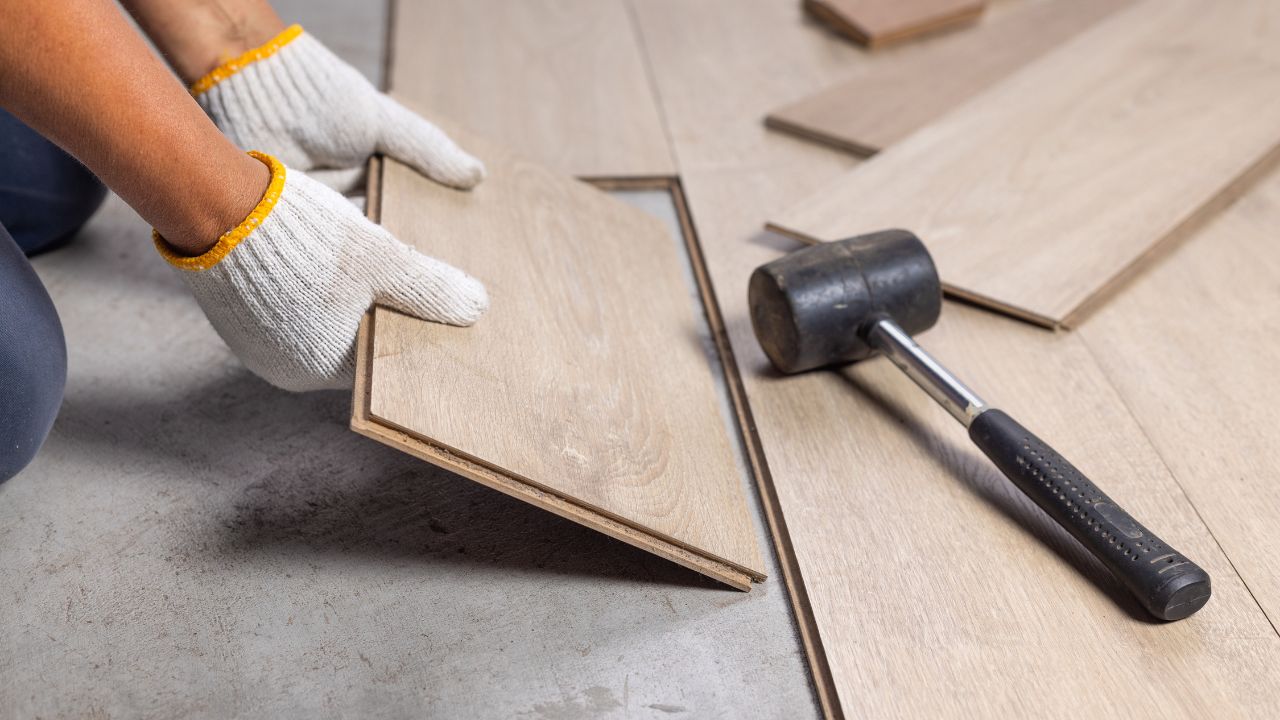
Floating floors work well for Bay Area homes because they allow natural expansion. Installers connect planks with click-lock systems rather than nailing them down, letting the entire floor move as one unit. This prevents buckling when humidity spikes during January storms.
Glue-down installation offers another moisture-smart option. Premium urethane adhesives bond planks to the subfloor while maintaining slight flexibility. This method works best with engineered hardwood over concrete slabs, common in Bay Area condos and modern homes. Avoid staple-down methods near coastal areas—metal fasteners corrode from salt air, and the rigid attachment can't accommodate moisture movement.
Moisture Barriers Save Your Investment
Every Bay area flooring installation should include a vapor barrier between the subfloor and finished wood. Six-mil polyethylene sheeting blocks ground moisture in homes with crawl spaces or basement areas. For concrete slabs, use specialized moisture barrier systems rated for at least 3 pounds of moisture per 1,000 square feet over 24 hours.
Test your concrete subfloor before installation using calcium chloride tests. Readings above 5 pounds indicate too much moisture for wood flooring without enhanced barriers. Some contractors apply epoxy moisture barriers directly to concrete, creating an impermeable seal before laying engineered planks.
Acclimation Prevents Future Problems
Professional installers deliver your hardwood at least seven days before installation. The boxes stay unopened in the room where you'll install them, allowing the wood to adjust to your home's specific humidity levels. Skip this step and your floors might gap during dry months or cup during wet seasons.
Check the wood's moisture content with a pin-type meter before installation. It should match your home's environment within 2% to 4%. Bay Area homes typically register 9% to 11% moisture content during summer and 12% to 14% during winter. Materials arriving from other climate zones need time to stabilize.
Finish Options for Extra Protection
Site-finished floors let contractors apply multiple coats of waterborne polyurethane after installation. This seals plank edges and surface grain, preventing moisture intrusion from spills or cleaning. Factory-finished floors come with aluminum oxide coatings that resist scratches but may not seal edges as thoroughly.
Oil-based finishes penetrate deeper into wood grain but require longer drying times and stronger ventilation. Water-based options dry faster and produce fewer fumes—important for Bay Area homes where you might not open windows during foggy weather. Either way, apply finish to all six sides of each plank for complete moisture protection.