The BBQ Spice Guide That Actually Changes How Your Grill Tastes in 2026
-
- Published Updated
- 2,746 views
I ruined a $40 brisket in 2019 because I trusted a single spice for the whole job. Salt, pepper, a shake of paprika — "Texas style," I told myself. What I actually got was a bark that tasted like burnt cardboard on the outside and bland meat underneath. It took two more cookouts and a very patient pitmaster friend to explain what I'd missed: barbecue isn't about heat management alone. It's about building flavor in layers, before the meat ever touches the grate.
That's the gap most home cooks fall into. They obsess over wood chips, smoker temperature, and rest times, then reach for whatever spice jar is closest. If you want food that tastes like it came from a real barbecue joint instead of a backyard experiment, the spice blend you choose — and how you use it — matters more than almost anything else in the process.
This guide covers what actually works: how a good BBQ spice blend is built, where most people go wrong, and how to apply one so it does its job instead of just sitting on the surface.
Why a Single-Note Spice Never Works on the Grill
Grilling and smoking do something most other cooking methods don't: they concentrate flavor through prolonged, dry heat. Sugars caramelize. Fats render. Proteins seize up and then relax. Every one of those chemical changes interacts differently with salt, sugar, and specific spice compounds.
A single spice — even a good one like smoked paprika — can't survive that process on its own. It either burns before the meat is done, or it never penetrates past the surface. That's why every barbecue tradition worth its salt (Memphis dry rub, Kansas City sweet-heat, Carolina vinegar-pepper, South Asian tandoori masala) relies on a blend, not a single ingredient. Each component is doing a specific job:
Salt draws moisture to the surface early, which helps other spices adhere and kickstarts the Maillard reaction.
Sugar (brown sugar, jaggery, or coconut sugar depending on the tradition) caramelizes into the bark and balances heat.
Paprika or chili brings color and a controlled burn of heat.
Garlic and onion add savory depth that doesn't disappear under smoke.
Warm spices — cumin, black pepper, mustard seed, sometimes clove or allspice — round out the profile so it doesn't taste flat.
A well-built bbq spice mix already has these ratios worked out. That's the actual value of buying one instead of assembling it yourself from six jars: consistency. If you've ever had a rub taste different every time you make it at home, it's almost always a ratio problem, not a technique problem.
The Mistake Almost Everyone Makes: Timing
Here's something most blog posts skip: when you apply your rub changes the result as much as what's in it.
Salt-forward rubs (like a classic barbecue spice mix) benefit from being applied 1–12 hours ahead, similar to a dry brine. The salt has time to pull moisture out, dissolve into it, and get reabsorbed — seasoning the meat all the way through, not just the crust.
Sugar-heavy rubs should go on closer to cook time, especially if you're grilling hot and fast. Sugar burns around 265–350°F depending on type, so applying it too early and cooking too hot turns your bark bitter instead of caramelized.
Wet applications (rub mixed with a little oil or mustard as a binder) help spices stick to irregular surfaces like ribs or chicken thighs, but add roughly 10–15 minutes to your cook time due to the extra surface moisture.
I learned the salt-timing lesson the hard way with pulled pork — under-seasoned centre, seasoned crust, guests too polite to say anything. Once I started salting the night before and adding the sugar-and-chili portion just before it hit the smoker, the difference was immediate. Same recipe. Completely different result.
Reading a Spice Blend Label Like a Cook, Not a Shopper
Most people scan for a flavor word — "smoky," "sweet," "spicy" — and buy on vibes. A more useful approach: check the first three ingredients. Spice blends are legally required to list ingredients by weight, so whatever's listed first is what you're actually tasting most.
If salt is first, you have a seasoning-forward rub — great as a base layer, but you may want to add your own sugar or heat.
If sugar is first, it's built for caramelization and lower, slower cooks — less ideal for high-heat searing.
If a specific chili (ancho, chipotle, Kashmiri) is named rather than just "chili powder," that's usually a sign of a more deliberate, small-batch blend rather than a mass-produced one — worth paying attention to if you care about flavor complexity.
This is also where sourcing starts to matter. Spices lose potency fast — most ground spices are noticeably weaker within 6–12 months of grinding. A rub made from fresh, whole-spice-ground ingredients will taste sharper and more layered than one that's been sitting in a warehouse for a year, even if the recipe on paper is identical. Brands like Zaica Life that grind in smaller batches tend to hold that freshness noticeably longer than mass-market jars.
Beyond the Grill: One Blend, Many Meals
A good Spice Blend shouldn't only work on brisket day. If you're spending money on a quality mix, it should earn its shelf space.
Stir a spoonful into ground meat before forming burger patties or kebabs.
Toss it with roasted vegetables — corn, potatoes, cauliflower — for a smoky side that doesn't need the grill at all.
Mix it into softened butter for a compound butter that finishes grilled corn or steak.
Use it as a dry seasoning for popcorn or roasted nuts if the blend leans more savory than sweet.
This is actually a good test of quality: rubs built only for cosmetic char (mostly paprika and sugar) tend to taste one-dimensional off the grill. Blends with real spice depth — cumin, coriander, mustard, warm baking spices — hold up in other dishes too.
What South Asian Spice Traditions Get Right (and BBQ Can Borrow)
If you've ever had biryani made properly, you already understand layered spicing better than most American barbecue cooks do. A good biryani doesn't rely on one masala — it builds flavor through whole spices bloomed in fat, a base masala, and often a finishing touch added right before serving. The goal is depth at every bite, not just a coating on top.
That's directly transferable to barbecue. If you're experimenting with global flavor profiles on the grill — and 2026's home cooking trends show more people doing exactly that, blending regional spice traditions instead of sticking to one cuisine — a spices biryani blend built around whole toasted spices (cardamom, cinnamon, star anise, clove) can work surprisingly well as a dry rub for grilled or smoked chicken and lamb. The warmth and complexity hold up beautifully under smoke, which is part of why fusion "tandoori BBQ" has become a genuine category rather than a novelty.
A Simple Framework for Choosing Your Rub
If you're standing in front of a spice shelf (physical or online) and not sure what to grab, use this quick filter:
Know your protein. Fattier cuts (brisket, pork shoulder) can handle bolder, sugar-heavier rubs since the fat balances intensity. Leaner cuts (chicken breast, fish) do better with lighter, salt-and-herb-forward blends.
Know your heat. High, direct heat = less sugar, more spice. Low and slow = sugar and salt can both shine.
Know your finish. If you're saucing at the end, keep your rub simpler — the sauce will add its own sweetness and acidity. If it's a standalone dry rub, it needs to carry the whole flavor on its own.
This is a small habit, but it separates cooks who get consistent, restaurant-quality results from cooks who are still guessing every time they fire up the grill.
Bringing It Together
Good barbecue isn't a mystery, and it isn't only about equipment. It's about understanding what each ingredient in your rub is doing, applying it at the right time, and choosing a blend that's actually built with intention rather than just a bag of ground spices thrown together.
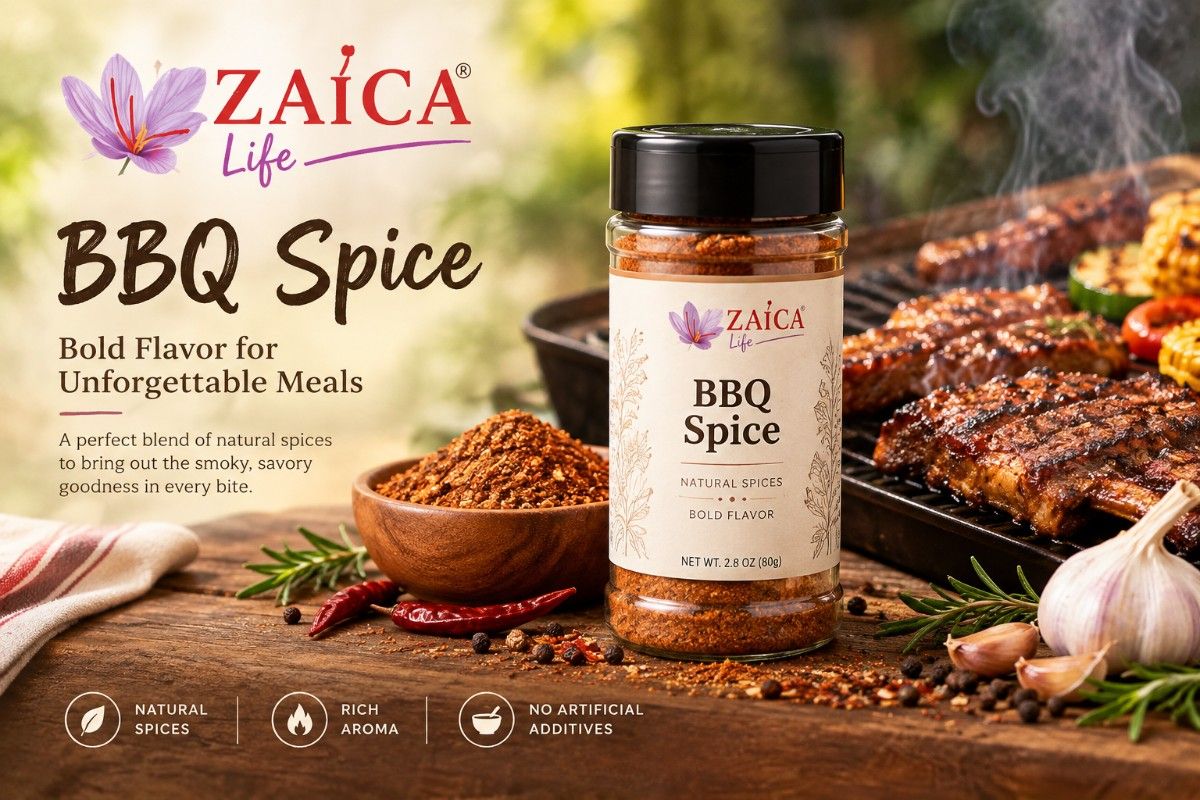
If you're looking to skip the trial-and-error phase, Zaica Life makes a well-balanced BBQ spice blend worth trying as your next base rub — start with one protein, one blend, and pay attention to timing. That's really the whole secret.