Beard Hair Transplant Results in Dubai: What Outcomes to Expect and How to Choose a Clinic
-
- Published Updated
- 1,583 views
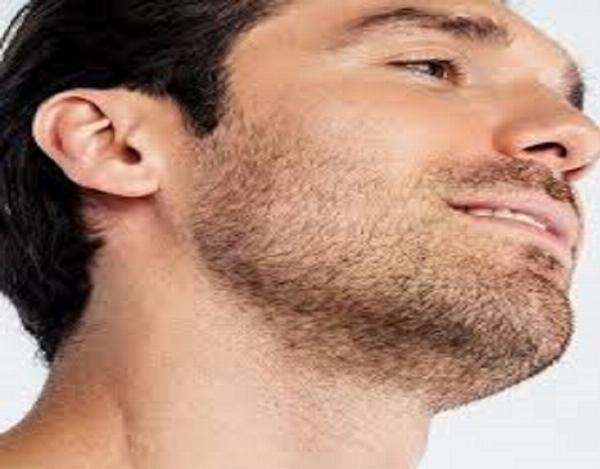
Beard hair transplant Dubai results are of growing interest among men seeking fuller facial hair. This article explains typical outcomes, common techniques, timelines for visible growth, potential complications, and practical tips for selecting an accredited clinic in Dubai.
- Most patients see initial hair growth 3–4 months after the procedure and clearer results at 8–12 months.
- FUE (follicular unit extraction) is the dominant technique for beard transplants due to its precision and minimal scarring.
- Outcomes depend on donor hair quality, surgical skill, graft density, and post-op care.
- Choose clinics licensed by Dubai Health Authority and staffed by accredited hair restoration surgeons; consult published guidelines from leading professional bodies.
beard hair transplant Dubai results: Overview of expected outcomes
Beard hair transplant Dubai results typically aim to restore density in areas of patchy growth, reconstruct beard contours, or create a fuller mustache or goatee. Results vary by patient factors such as donor-area density, hair caliber, skin type, and the chosen surgical technique. Procedures are usually performed under local anesthesia and may involve placement of several hundred to a few thousand grafts depending on the target area.
Common techniques used and how they affect results
FUE (Follicular Unit Extraction)
FUE removes individual follicular units from a donor area (usually the back or sides of the scalp) and implants them into recipient sites on the face. FUE is widely used for beard transplants because it allows fine control over angle and direction of hair placement and leaves minimal linear scarring.
FUT (Follicular Unit Transplantation)
FUT involves removing a strip of scalp and dissecting follicular units. FUT may provide a large number of grafts in a single session but is used less frequently for beard reconstruction because of the scar and reduced control over small, detailed recipient-site placement.
Timeline: When results become visible
Typical beard hair transplant Dubai results follow a predictable timeline:
- 0–2 weeks: Healing of micro-incisions; crusting and mild swelling are common.
- 2–12 weeks: Transplanted hairs often shed (telogen phase) before regrowth begins.
- 3–6 months: Initial regrowth appears; hair is usually finer at first and gradually thickens.
- 8–12 months: Most patients see the majority of final cosmetic improvement; some refinement can continue up to 18 months.
Factors that influence success and aesthetic quality
Donor hair characteristics
Thicker, curlier donor hairs can create the illusion of greater density than very fine, straight hairs. Donor-area availability limits the total number of grafts.
Surgical planning and graft placement
Experienced surgeons design hairline shape, density, and hair direction to match facial anatomy and ethnic hair characteristics. Higher graft density in targeted zones produces a fuller look but should balance blood supply and survival rate.
Patient health and aftercare
Smoking, uncontrolled chronic conditions, or poor wound care can impair healing and graft survival. Following clinic aftercare instructions tends to improve outcomes.
Risks, complications, and realistic expectations
Common, usually temporary issues include swelling, redness, and minor discomfort. Less common complications can include infection, poor graft survival, or visible scarring. Scalp donor-site problems such as numbness or linear scar (in FUT) are possible. It is important to receive preoperative counseling about realistic expectations and potential need for touch-up procedures.
How to choose a clinic in Dubai
Verify clinic licensing and practitioner credentials. In Dubai, clinics should meet local regulatory standards set by the Dubai Health Authority (DHA). Look for a surgeon with documented experience in facial hair transplantation and before-and-after case examples with similar patient profiles. Independent third-party reviews and published clinic outcome data can provide additional context.
For clinical guidance and professional standards on hair restoration techniques, professional organizations such as the International Society of Hair Restoration Surgery publish recommendations and educational resources: International Society of Hair Restoration Surgery.
Postoperative care and maintenance
Immediate care
Follow instructions for gentle cleansing, avoiding pressure to recipient sites, and sleep positioning. Avoid strenuous activity and direct sun exposure to treated areas during early healing.
Long-term grooming
Once transplanted hair has matured, normal trimming, styling, and shaving are typically possible. Periodic photographic follow-up and, if needed, small additional grafting sessions may refine symmetry and density.
Costs and consultations
Costs vary based on graft number, technique, clinic reputation, and included services. A preoperative consultation that reviews medical history, donor-area assessment, and a clear plan for expected graft number helps set realistic expectations.
Frequently asked questions
How long until beard hair transplant Dubai results are visible?
Visible regrowth commonly begins around 3–4 months, with clearer cosmetic results at 8–12 months. Full maturation may take up to 18 months in some individuals.
Is a beard transplant painful?
Procedures are performed under local anesthesia. Discomfort during recovery is usually mild and manageable with prescribed measures; follow-up guidance reduces risk of complications.
Can transplanted beard hair be shaved or styled normally?
Yes. Once grafts have fully grown and matured (usually after several months), transplanted hair can generally be shaved, trimmed, or styled like natural facial hair.
What are common reasons results may be less successful?
Contributing factors include low donor hair density, high graft transection rates during extraction, smoking, inadequate post-op care, or unrealistic expectations about achievable density.
Are there non-surgical alternatives to improve beard appearance?
Non-surgical options include topical cosmetic camouflage, micro-pigmentation (scalp or facial micropigmentation), and, in some cases, medical therapies that influence hair growth. Effectiveness differs from surgical transplantation and should be discussed with a qualified provider.
For regulatory information related to clinics and practitioner licensing in Dubai, consult the Dubai Health Authority (DHA) website and verify credentials before scheduling a procedure.